FeedsPress_

Feedspress is a versatile and user-friendly WordPress plugin that allows you to easily display customizable RSS feeds on your website. This powerful tool is designed to give you complete control over the way your RSS feeds are displayed, with built-in shortcodes that allow you to customize the look and feel of your feeds to match your website's design and branding.

Horoscope Signs Sample

Template 1 (Horoscopes)

Aries Horoscope

You could have a tendency to be self-absorbed today. Some Aries can take this to the point where they don’t immediately realize they are neglecting loved ones. You have the potential to get so wrapped up in your projects that you forget anyone else exists. Take a break every now and then to notice the world around you. You can still keep connections tight while on a productivity roll.

Template 2

OUSTED President is CRYING FOUL — Look WHO He’s Blaming!

Hand showing thumbs down gesture, dark background.
When a sitting president blames a foreign ally for “rigging” his ally’s election loss, it hits every nerve in a world already convin ...Read More

Template 4

Template 5 (Fortune Cookies)

OUSTED President is CRYING FOUL — Look WHO He’s Blaming!

Template 6

Template 7

OUSTED President is CRYING FOUL — Look WHO He’s Blaming!

Hand showing thumbs down gesture, dark background.
When a sitting president blames a foreign ally for “rigging” his ally’s election loss, it hits every nerve in a world already convin ...Read More

Map Wars Backfire — California’s TWIST

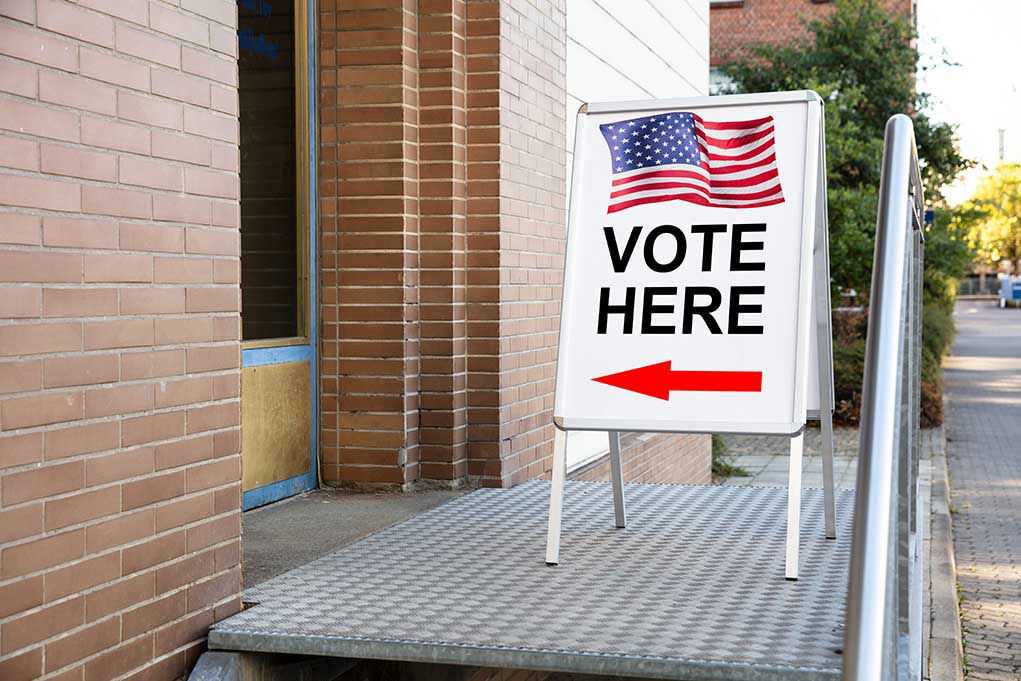
Vote Here sign with arrow and American flag.
California Democrats drew a map to flip House seats, but the first results show how easily redistricting can collide with candidate ...Read More

Template 8

OUSTED President is CRYING FOUL — Look WHO He’s Blaming!

Hand showing thumbs down gesture, dark background.
When a sitting president blames a foreign ally for “rigging” his ally’s election loss, it hits every nerve in a world already convin ...Read More

Template 1 (Horoscopes)

Aries Horoscope

Aquarians could be distracted and may come off to others as disinterested today. It might look as if you aren’t really listening when another speaks. Focusing on conversations may take more effort than usual, so eliminate distractions to make social exchanges more meaningful. Something heavy on your mind? Talk it out. Don’t worry about how you’ll be seen; being uniquely you will get the best reception.

Template 2

OUSTED President is CRYING FOUL — Look WHO He’s Blaming!

Hand showing thumbs down gesture, dark background.
When a sitting president blames a foreign ally for “rigging” his ally’s election loss, it hits every nerve in a world already convin ...Read More

Template 4

Template 5 (Fortune Cookies)

OUSTED President is CRYING FOUL — Look WHO He’s Blaming!

Template 6

Template 7

OUSTED President is CRYING FOUL — Look WHO He’s Blaming!

Hand showing thumbs down gesture, dark background.
When a sitting president blames a foreign ally for “rigging” his ally’s election loss, it hits every nerve in a world already convin ...Read More

Template 8

OUSTED President is CRYING FOUL — Look WHO He’s Blaming!

Hand showing thumbs down gesture, dark background.
When a sitting president blames a foreign ally for “rigging” his ally’s election loss, it hits every nerve in a world already convin ...Read More

Template 1 (Horoscopes)

Aries Horoscope

Aquarians could be distracted and may come off to others as disinterested today. It might look as if you aren’t really listening when another speaks. Focusing on conversations may take more effort than usual, so eliminate distractions to make social exchanges more meaningful. Something heavy on your mind? Talk it out. Don’t worry about how you’ll be seen; being uniquely you will get the best reception.

Template 2

OUSTED President is CRYING FOUL — Look WHO He’s Blaming!

Hand showing thumbs down gesture, dark background.
When a sitting president blames a foreign ally for “rigging” his ally’s election loss, it hits every nerve in a world already convin ...Read More

Template 4

Template 5 (Fortune Cookies)

OUSTED President is CRYING FOUL — Look WHO He’s Blaming!

Template 6

Template 7

OUSTED President is CRYING FOUL — Look WHO He’s Blaming!

Hand showing thumbs down gesture, dark background.
When a sitting president blames a foreign ally for “rigging” his ally’s election loss, it hits every nerve in a world already convin ...Read More

Map Wars Backfire — California’s TWIST

Vote Here sign with arrow and American flag.
California Democrats drew a map to flip House seats, but the first results show how easily redistricting can collide with candidate ...Read More

Template 8

OUSTED President is CRYING FOUL — Look WHO He’s Blaming!

Hand showing thumbs down gesture, dark background.
When a sitting president blames a foreign ally for “rigging” his ally’s election loss, it hits every nerve in a world already convin ...Read More

Template 1 (Horoscopes)

Aries Horoscope

Aquarians could be distracted and may come off to others as disinterested today. It might look as if you aren’t really listening when another speaks. Focusing on conversations may take more effort than usual, so eliminate distractions to make social exchanges more meaningful. Something heavy on your mind? Talk it out. Don’t worry about how you’ll be seen; being uniquely you will get the best reception.

Template 2

OUSTED President is CRYING FOUL — Look WHO He’s Blaming!

Hand showing thumbs down gesture, dark background.
When a sitting president blames a foreign ally for “rigging” his ally’s election loss, it hits every nerve in a world already convin ...Read More

Template 4

Template 5 (Fortune Cookies)

OUSTED President is CRYING FOUL — Look WHO He’s Blaming!

Template 6

Template 7

OUSTED President is CRYING FOUL — Look WHO He’s Blaming!

Hand showing thumbs down gesture, dark background.
When a sitting president blames a foreign ally for “rigging” his ally’s election loss, it hits every nerve in a world already convin ...Read More

Template 8

OUSTED President is CRYING FOUL — Look WHO He’s Blaming!

Hand showing thumbs down gesture, dark background.
When a sitting president blames a foreign ally for “rigging” his ally’s election loss, it hits every nerve in a world already convin ...Read More

Template 1 (Horoscopes)

Aries Horoscope

Aquarians could be distracted and may come off to others as disinterested today. It might look as if you aren’t really listening when another speaks. Focusing on conversations may take more effort than usual, so eliminate distractions to make social exchanges more meaningful. Something heavy on your mind? Talk it out. Don’t worry about how you’ll be seen; being uniquely you will get the best reception.

Template 2

OUSTED President is CRYING FOUL — Look WHO He’s Blaming!

Hand showing thumbs down gesture, dark background.
When a sitting president blames a foreign ally for “rigging” his ally’s election loss, it hits every nerve in a world already convin ...Read More

Regular WordPress Feed Template 4

FeedsPress Template 4 (images without a height or width)

Poll Results: Do You Believe the U.S. Should Prioritize America First Spending Policies?

Poll Results

YES: 89% | NO: 11%

In our America First Survey, we asked:

“Do you believe the U.S. should prioritize America First spending policies?”

This question speaks directly to ongoing national debates about government spending — specifically, whether taxpayer funds should focus on solving domestic issues before being used for foreign aid, international development, or overseas defense efforts.

Here’s how respondents answered:

  • Yes: Focus on America First 89%
  • No:  Focus on International Policies  11%

Why This Question Matters

The U.S. spends hundreds of billions of dollars annually on foreign assistance, military support for allies, international organizations, and global health programs. In recent years, an “America First” approach has gained popularity — arguing that tax dollars should be directed to domestic priorities like infrastructure, healthcare, education, border security, and veterans’ care before being sent abroad.

The question of how to strike a balance between national interest and global leadership continues to shape political platforms and federal budgets.

Arguments from Those Who Said “Yes – Prioritize America First”

  • Fix Home First:
    Many respondents believe it’s time to focus spending on struggling communities at home — from homelessness and healthcare to infrastructure and schools.
  • Foreign Aid Fatigue:
    Voters question why the U.S. continues to send billions overseas when domestic issues like inflation, veteran care, and public safety remain unresolved.
  • Accountability and Waste:
    Critics argue that much foreign aid is mismanaged or ends up in the hands of corrupt regimes, with little oversight or return on investment for American taxpayers.
  • National Sovereignty and Priorities:
    Supporters say that elected officials are first and foremost accountable to American citizens — not to international institutions or foreign governments.
  • Public Sentiment Is Shifting:
    Multiple polls and political trends suggest increasing public support for cutting foreign aid in favor of solving pressing problems at home.

Arguments from Those Who Said “No – Maintain Global Commitments”

  • Global Stability Benefits the U.S.:
    Supporters of international spending argue that foreign aid and strategic partnerships prevent instability, war, and migration crises — all of which can affect America directly.
  • Soft Power and Diplomacy:
    Foreign assistance strengthens U.S. alliances, promotes democracy, and supports trade relationships that benefit the economy long-term.
  • Humanitarian Responsibility:
    Some believe the U.S. has a moral obligation as a global leader to assist nations facing famine, conflict, or natural disasters.
  • National Security Partnerships:
    Foreign military aid (like to Ukraine or Israel) is often viewed not just as charity, but as a strategic investment in America’s own defense interests.
  • It’s Not All or Nothing:
    Opponents of the “America First” model argue that the U.S. can still address domestic needs while maintaining a role in global leadership — it’s about balance, not withdrawal.

Conclusion

According to this poll, a strong majority of respondents support “America First” spending policies, favoring domestic priorities over foreign aid and international commitments. Still, a vocal minority believes that American leadership abroad is essential for long-term national interests.

As fiscal pressures grow and international challenges mount, the debate over where and how to invest American tax dollars is only becoming more urgent.

Poll Results: Do You Believe the U.S. Should Prioritize America First Spending Policies?

Poll Results

YES: 89% | NO: 11%

In our America First Survey, we asked:

“Do you believe the U.S. should prioritize America First spending policies?”

This question speaks directly to ongoing national debates about government spending — specifically, whether taxpayer funds should focus on solving domestic issues before being used for foreign aid, international development, or overseas defense efforts.

Here’s how respondents answered:

  • Yes: Focus on America First 89%
  • No:  Focus on International Policies  11%

Why This Question Matters

The U.S. spends hundreds of billions of dollars annually on foreign assistance, military support for allies, international organizations, and global health programs. In recent years, an “America First” approach has gained popularity — arguing that tax dollars should be directed to domestic priorities like infrastructure, healthcare, education, border security, and veterans’ care before being sent abroad.

The question of how to strike a balance between national interest and global leadership continues to shape political platforms and federal budgets.

Arguments from Those Who Said “Yes – Prioritize America First”

  • Fix Home First:
    Many respondents believe it’s time to focus spending on struggling communities at home — from homelessness and healthcare to infrastructure and schools.
  • Foreign Aid Fatigue:
    Voters question why the U.S. continues to send billions overseas when domestic issues like inflation, veteran care, and public safety remain unresolved.
  • Accountability and Waste:
    Critics argue that much foreign aid is mismanaged or ends up in the hands of corrupt regimes, with little oversight or return on investment for American taxpayers.
  • National Sovereignty and Priorities:
    Supporters say that elected officials are first and foremost accountable to American citizens — not to international institutions or foreign governments.
  • Public Sentiment Is Shifting:
    Multiple polls and political trends suggest increasing public support for cutting foreign aid in favor of solving pressing problems at home.

Arguments from Those Who Said “No – Maintain Global Commitments”

  • Global Stability Benefits the U.S.:
    Supporters of international spending argue that foreign aid and strategic partnerships prevent instability, war, and migration crises — all of which can affect America directly.
  • Soft Power and Diplomacy:
    Foreign assistance strengthens U.S. alliances, promotes democracy, and supports trade relationships that benefit the economy long-term.
  • Humanitarian Responsibility:
    Some believe the U.S. has a moral obligation as a global leader to assist nations facing famine, conflict, or natural disasters.
  • National Security Partnerships:
    Foreign military aid (like to Ukraine or Israel) is often viewed not just as charity, but as a strategic investment in America’s own defense interests.
  • It’s Not All or Nothing:
    Opponents of the “America First” model argue that the U.S. can still address domestic needs while maintaining a role in global leadership — it’s about balance, not withdrawal.

Conclusion

According to this poll, a strong majority of respondents support “America First” spending policies, favoring domestic priorities over foreign aid and international commitments. Still, a vocal minority believes that American leadership abroad is essential for long-term national interests.

As fiscal pressures grow and international challenges mount, the debate over where and how to invest American tax dollars is only becoming more urgent.

Poll Results: Do You Believe the U.S. Should Prioritize America First Spending Policies?

Poll Results

YES: 89% | NO: 11%

In our America First Survey, we asked:

“Do you believe the U.S. should prioritize America First spending policies?”

This question speaks directly to ongoing national debates about government spending — specifically, whether taxpayer funds should focus on solving domestic issues before being used for foreign aid, international development, or overseas defense efforts.

Here’s how respondents answered:

  • Yes: Focus on America First 89%
  • No:  Focus on International Policies  11%

Why This Question Matters

The U.S. spends hundreds of billions of dollars annually on foreign assistance, military support for allies, international organizations, and global health programs. In recent years, an “America First” approach has gained popularity — arguing that tax dollars should be directed to domestic priorities like infrastructure, healthcare, education, border security, and veterans’ care before being sent abroad.

The question of how to strike a balance between national interest and global leadership continues to shape political platforms and federal budgets.

Arguments from Those Who Said “Yes – Prioritize America First”

  • Fix Home First:
    Many respondents believe it’s time to focus spending on struggling communities at home — from homelessness and healthcare to infrastructure and schools.
  • Foreign Aid Fatigue:
    Voters question why the U.S. continues to send billions overseas when domestic issues like inflation, veteran care, and public safety remain unresolved.
  • Accountability and Waste:
    Critics argue that much foreign aid is mismanaged or ends up in the hands of corrupt regimes, with little oversight or return on investment for American taxpayers.
  • National Sovereignty and Priorities:
    Supporters say that elected officials are first and foremost accountable to American citizens — not to international institutions or foreign governments.
  • Public Sentiment Is Shifting:
    Multiple polls and political trends suggest increasing public support for cutting foreign aid in favor of solving pressing problems at home.

Arguments from Those Who Said “No – Maintain Global Commitments”

  • Global Stability Benefits the U.S.:
    Supporters of international spending argue that foreign aid and strategic partnerships prevent instability, war, and migration crises — all of which can affect America directly.
  • Soft Power and Diplomacy:
    Foreign assistance strengthens U.S. alliances, promotes democracy, and supports trade relationships that benefit the economy long-term.
  • Humanitarian Responsibility:
    Some believe the U.S. has a moral obligation as a global leader to assist nations facing famine, conflict, or natural disasters.
  • National Security Partnerships:
    Foreign military aid (like to Ukraine or Israel) is often viewed not just as charity, but as a strategic investment in America’s own defense interests.
  • It’s Not All or Nothing:
    Opponents of the “America First” model argue that the U.S. can still address domestic needs while maintaining a role in global leadership — it’s about balance, not withdrawal.

Conclusion

According to this poll, a strong majority of respondents support “America First” spending policies, favoring domestic priorities over foreign aid and international commitments. Still, a vocal minority believes that American leadership abroad is essential for long-term national interests.

As fiscal pressures grow and international challenges mount, the debate over where and how to invest American tax dollars is only becoming more urgent.

Poll Results: Do You Believe the U.S. Should Prioritize America First Spending Policies?

Poll Results

YES: 89% | NO: 11%

In our America First Survey, we asked:

“Do you believe the U.S. should prioritize America First spending policies?”

This question speaks directly to ongoing national debates about government spending — specifically, whether taxpayer funds should focus on solving domestic issues before being used for foreign aid, international development, or overseas defense efforts.

Here’s how respondents answered:

  • Yes: Focus on America First 89%
  • No:  Focus on International Policies  11%

Why This Question Matters

The U.S. spends hundreds of billions of dollars annually on foreign assistance, military support for allies, international organizations, and global health programs. In recent years, an “America First” approach has gained popularity — arguing that tax dollars should be directed to domestic priorities like infrastructure, healthcare, education, border security, and veterans’ care before being sent abroad.

The question of how to strike a balance between national interest and global leadership continues to shape political platforms and federal budgets.

Arguments from Those Who Said “Yes – Prioritize America First”

  • Fix Home First:
    Many respondents believe it’s time to focus spending on struggling communities at home — from homelessness and healthcare to infrastructure and schools.
  • Foreign Aid Fatigue:
    Voters question why the U.S. continues to send billions overseas when domestic issues like inflation, veteran care, and public safety remain unresolved.
  • Accountability and Waste:
    Critics argue that much foreign aid is mismanaged or ends up in the hands of corrupt regimes, with little oversight or return on investment for American taxpayers.
  • National Sovereignty and Priorities:
    Supporters say that elected officials are first and foremost accountable to American citizens — not to international institutions or foreign governments.
  • Public Sentiment Is Shifting:
    Multiple polls and political trends suggest increasing public support for cutting foreign aid in favor of solving pressing problems at home.

Arguments from Those Who Said “No – Maintain Global Commitments”

  • Global Stability Benefits the U.S.:
    Supporters of international spending argue that foreign aid and strategic partnerships prevent instability, war, and migration crises — all of which can affect America directly.
  • Soft Power and Diplomacy:
    Foreign assistance strengthens U.S. alliances, promotes democracy, and supports trade relationships that benefit the economy long-term.
  • Humanitarian Responsibility:
    Some believe the U.S. has a moral obligation as a global leader to assist nations facing famine, conflict, or natural disasters.
  • National Security Partnerships:
    Foreign military aid (like to Ukraine or Israel) is often viewed not just as charity, but as a strategic investment in America’s own defense interests.
  • It’s Not All or Nothing:
    Opponents of the “America First” model argue that the U.S. can still address domestic needs while maintaining a role in global leadership — it’s about balance, not withdrawal.

Conclusion

According to this poll, a strong majority of respondents support “America First” spending policies, favoring domestic priorities over foreign aid and international commitments. Still, a vocal minority believes that American leadership abroad is essential for long-term national interests.

As fiscal pressures grow and international challenges mount, the debate over where and how to invest American tax dollars is only becoming more urgent.

Poll Results: Do You Believe the U.S. Should Prioritize America First Spending Policies?

Poll Results

YES: 89% | NO: 11%

In our America First Survey, we asked:

“Do you believe the U.S. should prioritize America First spending policies?”

This question speaks directly to ongoing national debates about government spending — specifically, whether taxpayer funds should focus on solving domestic issues before being used for foreign aid, international development, or overseas defense efforts.

Here’s how respondents answered:

  • Yes: Focus on America First 89%
  • No:  Focus on International Policies  11%

Why This Question Matters

The U.S. spends hundreds of billions of dollars annually on foreign assistance, military support for allies, international organizations, and global health programs. In recent years, an “America First” approach has gained popularity — arguing that tax dollars should be directed to domestic priorities like infrastructure, healthcare, education, border security, and veterans’ care before being sent abroad.

The question of how to strike a balance between national interest and global leadership continues to shape political platforms and federal budgets.

Arguments from Those Who Said “Yes – Prioritize America First”

  • Fix Home First:
    Many respondents believe it’s time to focus spending on struggling communities at home — from homelessness and healthcare to infrastructure and schools.
  • Foreign Aid Fatigue:
    Voters question why the U.S. continues to send billions overseas when domestic issues like inflation, veteran care, and public safety remain unresolved.
  • Accountability and Waste:
    Critics argue that much foreign aid is mismanaged or ends up in the hands of corrupt regimes, with little oversight or return on investment for American taxpayers.
  • National Sovereignty and Priorities:
    Supporters say that elected officials are first and foremost accountable to American citizens — not to international institutions or foreign governments.
  • Public Sentiment Is Shifting:
    Multiple polls and political trends suggest increasing public support for cutting foreign aid in favor of solving pressing problems at home.

Arguments from Those Who Said “No – Maintain Global Commitments”

  • Global Stability Benefits the U.S.:
    Supporters of international spending argue that foreign aid and strategic partnerships prevent instability, war, and migration crises — all of which can affect America directly.
  • Soft Power and Diplomacy:
    Foreign assistance strengthens U.S. alliances, promotes democracy, and supports trade relationships that benefit the economy long-term.
  • Humanitarian Responsibility:
    Some believe the U.S. has a moral obligation as a global leader to assist nations facing famine, conflict, or natural disasters.
  • National Security Partnerships:
    Foreign military aid (like to Ukraine or Israel) is often viewed not just as charity, but as a strategic investment in America’s own defense interests.
  • It’s Not All or Nothing:
    Opponents of the “America First” model argue that the U.S. can still address domestic needs while maintaining a role in global leadership — it’s about balance, not withdrawal.

Conclusion

According to this poll, a strong majority of respondents support “America First” spending policies, favoring domestic priorities over foreign aid and international commitments. Still, a vocal minority believes that American leadership abroad is essential for long-term national interests.

As fiscal pressures grow and international challenges mount, the debate over where and how to invest American tax dollars is only becoming more urgent.

Poll Results: Do You Believe the U.S. Should Prioritize America First Spending Policies?

Poll Results

YES: 89% | NO: 11%

In our America First Survey, we asked:

“Do you believe the U.S. should prioritize America First spending policies?”

This question speaks directly to ongoing national debates about government spending — specifically, whether taxpayer funds should focus on solving domestic issues before being used for foreign aid, international development, or overseas defense efforts.

Here’s how respondents answered:

  • Yes: Focus on America First 89%
  • No:  Focus on International Policies  11%

Why This Question Matters

The U.S. spends hundreds of billions of dollars annually on foreign assistance, military support for allies, international organizations, and global health programs. In recent years, an “America First” approach has gained popularity — arguing that tax dollars should be directed to domestic priorities like infrastructure, healthcare, education, border security, and veterans’ care before being sent abroad.

The question of how to strike a balance between national interest and global leadership continues to shape political platforms and federal budgets.

Arguments from Those Who Said “Yes – Prioritize America First”

  • Fix Home First:
    Many respondents believe it’s time to focus spending on struggling communities at home — from homelessness and healthcare to infrastructure and schools.
  • Foreign Aid Fatigue:
    Voters question why the U.S. continues to send billions overseas when domestic issues like inflation, veteran care, and public safety remain unresolved.
  • Accountability and Waste:
    Critics argue that much foreign aid is mismanaged or ends up in the hands of corrupt regimes, with little oversight or return on investment for American taxpayers.
  • National Sovereignty and Priorities:
    Supporters say that elected officials are first and foremost accountable to American citizens — not to international institutions or foreign governments.
  • Public Sentiment Is Shifting:
    Multiple polls and political trends suggest increasing public support for cutting foreign aid in favor of solving pressing problems at home.

Arguments from Those Who Said “No – Maintain Global Commitments”

  • Global Stability Benefits the U.S.:
    Supporters of international spending argue that foreign aid and strategic partnerships prevent instability, war, and migration crises — all of which can affect America directly.
  • Soft Power and Diplomacy:
    Foreign assistance strengthens U.S. alliances, promotes democracy, and supports trade relationships that benefit the economy long-term.
  • Humanitarian Responsibility:
    Some believe the U.S. has a moral obligation as a global leader to assist nations facing famine, conflict, or natural disasters.
  • National Security Partnerships:
    Foreign military aid (like to Ukraine or Israel) is often viewed not just as charity, but as a strategic investment in America’s own defense interests.
  • It’s Not All or Nothing:
    Opponents of the “America First” model argue that the U.S. can still address domestic needs while maintaining a role in global leadership — it’s about balance, not withdrawal.

Conclusion

According to this poll, a strong majority of respondents support “America First” spending policies, favoring domestic priorities over foreign aid and international commitments. Still, a vocal minority believes that American leadership abroad is essential for long-term national interests.

As fiscal pressures grow and international challenges mount, the debate over where and how to invest American tax dollars is only becoming more urgent.

FeedsPress Template 4 (images without a height or width) Full Width

Poll Results: Do You Believe the U.S. Should Prioritize America First Spending Policies?

Poll Results

YES: 89% | NO: 11%

In our America First Survey, we asked:

“Do you believe the U.S. should prioritize America First spending policies?”

This question speaks directly to ongoing national debates about government spending — specifically, whether taxpayer funds should focus on solving domestic issues before being used for foreign aid, international development, or overseas defense efforts.

Here’s how respondents answered:

  • Yes: Focus on America First 89%
  • No:  Focus on International Policies  11%

Why This Question Matters

The U.S. spends hundreds of billions of dollars annually on foreign assistance, military support for allies, international organizations, and global health programs. In recent years, an “America First” approach has gained popularity — arguing that tax dollars should be directed to domestic priorities like infrastructure, healthcare, education, border security, and veterans’ care before being sent abroad.

The question of how to strike a balance between national interest and global leadership continues to shape political platforms and federal budgets.

Arguments from Those Who Said “Yes – Prioritize America First”

  • Fix Home First:
    Many respondents believe it’s time to focus spending on struggling communities at home — from homelessness and healthcare to infrastructure and schools.
  • Foreign Aid Fatigue:
    Voters question why the U.S. continues to send billions overseas when domestic issues like inflation, veteran care, and public safety remain unresolved.
  • Accountability and Waste:
    Critics argue that much foreign aid is mismanaged or ends up in the hands of corrupt regimes, with little oversight or return on investment for American taxpayers.
  • National Sovereignty and Priorities:
    Supporters say that elected officials are first and foremost accountable to American citizens — not to international institutions or foreign governments.
  • Public Sentiment Is Shifting:
    Multiple polls and political trends suggest increasing public support for cutting foreign aid in favor of solving pressing problems at home.

Arguments from Those Who Said “No – Maintain Global Commitments”

  • Global Stability Benefits the U.S.:
    Supporters of international spending argue that foreign aid and strategic partnerships prevent instability, war, and migration crises — all of which can affect America directly.
  • Soft Power and Diplomacy:
    Foreign assistance strengthens U.S. alliances, promotes democracy, and supports trade relationships that benefit the economy long-term.
  • Humanitarian Responsibility:
    Some believe the U.S. has a moral obligation as a global leader to assist nations facing famine, conflict, or natural disasters.
  • National Security Partnerships:
    Foreign military aid (like to Ukraine or Israel) is often viewed not just as charity, but as a strategic investment in America’s own defense interests.
  • It’s Not All or Nothing:
    Opponents of the “America First” model argue that the U.S. can still address domestic needs while maintaining a role in global leadership — it’s about balance, not withdrawal.

Conclusion

According to this poll, a strong majority of respondents support “America First” spending policies, favoring domestic priorities over foreign aid and international commitments. Still, a vocal minority believes that American leadership abroad is essential for long-term national interests.

As fiscal pressures grow and international challenges mount, the debate over where and how to invest American tax dollars is only becoming more urgent.

FeedsPress Template 6 (images without a height or width)

Poll Results: Do You Believe the U.S. Should Prioritize America First Spending Policies?

Poll Results

YES: 89% | NO: 11%

In our America First Survey, we asked:

“Do you believe the U.S. should prioritize America First spending policies?”

This question speaks directly to ongoing national debates about government spending — specifically, whether taxpayer funds should focus on solving domestic issues before being used for foreign aid, international development, or overseas defense efforts.

Here’s how respondents answered:

  • Yes: Focus on America First 89%
  • No:  Focus on International Policies  11%

Why This Question Matters

The U.S. spends hundreds of billions of dollars annually on foreign assistance, military support for allies, international organizations, and global health programs. In recent years, an “America First” approach has gained popularity — arguing that tax dollars should be directed to domestic priorities like infrastructure, healthcare, education, border security, and veterans’ care before being sent abroad.

The question of how to strike a balance between national interest and global leadership continues to shape political platforms and federal budgets.

Arguments from Those Who Said “Yes – Prioritize America First”

  • Fix Home First:
    Many respondents believe it’s time to focus spending on struggling communities at home — from homelessness and healthcare to infrastructure and schools.
  • Foreign Aid Fatigue:
    Voters question why the U.S. continues to send billions overseas when domestic issues like inflation, veteran care, and public safety remain unresolved.
  • Accountability and Waste:
    Critics argue that much foreign aid is mismanaged or ends up in the hands of corrupt regimes, with little oversight or return on investment for American taxpayers.
  • National Sovereignty and Priorities:
    Supporters say that elected officials are first and foremost accountable to American citizens — not to international institutions or foreign governments.
  • Public Sentiment Is Shifting:
    Multiple polls and political trends suggest increasing public support for cutting foreign aid in favor of solving pressing problems at home.

Arguments from Those Who Said “No – Maintain Global Commitments”

  • Global Stability Benefits the U.S.:
    Supporters of international spending argue that foreign aid and strategic partnerships prevent instability, war, and migration crises — all of which can affect America directly.
  • Soft Power and Diplomacy:
    Foreign assistance strengthens U.S. alliances, promotes democracy, and supports trade relationships that benefit the economy long-term.
  • Humanitarian Responsibility:
    Some believe the U.S. has a moral obligation as a global leader to assist nations facing famine, conflict, or natural disasters.
  • National Security Partnerships:
    Foreign military aid (like to Ukraine or Israel) is often viewed not just as charity, but as a strategic investment in America’s own defense interests.
  • It’s Not All or Nothing:
    Opponents of the “America First” model argue that the U.S. can still address domestic needs while maintaining a role in global leadership — it’s about balance, not withdrawal.

Conclusion

According to this poll, a strong majority of respondents support “America First” spending policies, favoring domestic priorities over foreign aid and international commitments. Still, a vocal minority believes that American leadership abroad is essential for long-term national interests.

As fiscal pressures grow and international challenges mount, the debate over where and how to invest American tax dollars is only becoming more urgent.
Poll Results: Do You Believe the U.S. Should Prioritize America First Spending Policies?

Poll Results

YES: 89% | NO: 11%

In our America First Survey, we asked:

“Do you believe the U.S. should prioritize America First spending policies?”

This question speaks directly to ongoing national debates about government spending — specifically, whether taxpayer funds should focus on solving domestic issues before being used for foreign aid, international development, or overseas defense efforts.

Here’s how respondents answered:

  • Yes: Focus on America First 89%
  • No:  Focus on International Policies  11%

Why This Question Matters

The U.S. spends hundreds of billions of dollars annually on foreign assistance, military support for allies, international organizations, and global health programs. In recent years, an “America First” approach has gained popularity — arguing that tax dollars should be directed to domestic priorities like infrastructure, healthcare, education, border security, and veterans’ care before being sent abroad.

The question of how to strike a balance between national interest and global leadership continues to shape political platforms and federal budgets.

Arguments from Those Who Said “Yes – Prioritize America First”

  • Fix Home First:
    Many respondents believe it’s time to focus spending on struggling communities at home — from homelessness and healthcare to infrastructure and schools.
  • Foreign Aid Fatigue:
    Voters question why the U.S. continues to send billions overseas when domestic issues like inflation, veteran care, and public safety remain unresolved.
  • Accountability and Waste:
    Critics argue that much foreign aid is mismanaged or ends up in the hands of corrupt regimes, with little oversight or return on investment for American taxpayers.
  • National Sovereignty and Priorities:
    Supporters say that elected officials are first and foremost accountable to American citizens — not to international institutions or foreign governments.
  • Public Sentiment Is Shifting:
    Multiple polls and political trends suggest increasing public support for cutting foreign aid in favor of solving pressing problems at home.

Arguments from Those Who Said “No – Maintain Global Commitments”

  • Global Stability Benefits the U.S.:
    Supporters of international spending argue that foreign aid and strategic partnerships prevent instability, war, and migration crises — all of which can affect America directly.
  • Soft Power and Diplomacy:
    Foreign assistance strengthens U.S. alliances, promotes democracy, and supports trade relationships that benefit the economy long-term.
  • Humanitarian Responsibility:
    Some believe the U.S. has a moral obligation as a global leader to assist nations facing famine, conflict, or natural disasters.
  • National Security Partnerships:
    Foreign military aid (like to Ukraine or Israel) is often viewed not just as charity, but as a strategic investment in America’s own defense interests.
  • It’s Not All or Nothing:
    Opponents of the “America First” model argue that the U.S. can still address domestic needs while maintaining a role in global leadership — it’s about balance, not withdrawal.

Conclusion

According to this poll, a strong majority of respondents support “America First” spending policies, favoring domestic priorities over foreign aid and international commitments. Still, a vocal minority believes that American leadership abroad is essential for long-term national interests.

As fiscal pressures grow and international challenges mount, the debate over where and how to invest American tax dollars is only becoming more urgent.

Poll Results: Do You Believe the U.S. Should Prioritize America First Spending Policies?

Poll Results

YES: 89% | NO: 11%

In our America First Survey, we asked:

“Do you believe the U.S. should prioritize America First spending policies?”

This question speaks directly to ongoing national debates about government spending — specifically, whether taxpayer funds should focus on solving domestic issues before being used for foreign aid, international development, or overseas defense efforts.

Here’s how respondents answered:

  • Yes: Focus on America First 89%
  • No:  Focus on International Policies  11%

Why This Question Matters

The U.S. spends hundreds of billions of dollars annually on foreign assistance, military support for allies, international organizations, and global health programs. In recent years, an “America First” approach has gained popularity — arguing that tax dollars should be directed to domestic priorities like infrastructure, healthcare, education, border security, and veterans’ care before being sent abroad.

The question of how to strike a balance between national interest and global leadership continues to shape political platforms and federal budgets.

Arguments from Those Who Said “Yes – Prioritize America First”

  • Fix Home First:
    Many respondents believe it’s time to focus spending on struggling communities at home — from homelessness and healthcare to infrastructure and schools.
  • Foreign Aid Fatigue:
    Voters question why the U.S. continues to send billions overseas when domestic issues like inflation, veteran care, and public safety remain unresolved.
  • Accountability and Waste:
    Critics argue that much foreign aid is mismanaged or ends up in the hands of corrupt regimes, with little oversight or return on investment for American taxpayers.
  • National Sovereignty and Priorities:
    Supporters say that elected officials are first and foremost accountable to American citizens — not to international institutions or foreign governments.
  • Public Sentiment Is Shifting:
    Multiple polls and political trends suggest increasing public support for cutting foreign aid in favor of solving pressing problems at home.

Arguments from Those Who Said “No – Maintain Global Commitments”

  • Global Stability Benefits the U.S.:
    Supporters of international spending argue that foreign aid and strategic partnerships prevent instability, war, and migration crises — all of which can affect America directly.
  • Soft Power and Diplomacy:
    Foreign assistance strengthens U.S. alliances, promotes democracy, and supports trade relationships that benefit the economy long-term.
  • Humanitarian Responsibility:
    Some believe the U.S. has a moral obligation as a global leader to assist nations facing famine, conflict, or natural disasters.
  • National Security Partnerships:
    Foreign military aid (like to Ukraine or Israel) is often viewed not just as charity, but as a strategic investment in America’s own defense interests.
  • It’s Not All or Nothing:
    Opponents of the “America First” model argue that the U.S. can still address domestic needs while maintaining a role in global leadership — it’s about balance, not withdrawal.

Conclusion

According to this poll, a strong majority of respondents support “America First” spending policies, favoring domestic priorities over foreign aid and international commitments. Still, a vocal minority believes that American leadership abroad is essential for long-term national interests.

As fiscal pressures grow and international challenges mount, the debate over where and how to invest American tax dollars is only becoming more urgent.

Poll Results: Do You Believe the U.S. Should Prioritize America First Spending Policies?

Poll Results

YES: 89% | NO: 11%

In our America First Survey, we asked:

“Do you believe the U.S. should prioritize America First spending policies?”

This question speaks directly to ongoing national debates about government spending — specifically, whether taxpayer funds should focus on solving domestic issues before being used for foreign aid, international development, or overseas defense efforts.

Here’s how respondents answered:

  • Yes: Focus on America First 89%
  • No:  Focus on International Policies  11%

Why This Question Matters

The U.S. spends hundreds of billions of dollars annually on foreign assistance, military support for allies, international organizations, and global health programs. In recent years, an “America First” approach has gained popularity — arguing that tax dollars should be directed to domestic priorities like infrastructure, healthcare, education, border security, and veterans’ care before being sent abroad.

The question of how to strike a balance between national interest and global leadership continues to shape political platforms and federal budgets.

Arguments from Those Who Said “Yes – Prioritize America First”

  • Fix Home First:
    Many respondents believe it’s time to focus spending on struggling communities at home — from homelessness and healthcare to infrastructure and schools.
  • Foreign Aid Fatigue:
    Voters question why the U.S. continues to send billions overseas when domestic issues like inflation, veteran care, and public safety remain unresolved.
  • Accountability and Waste:
    Critics argue that much foreign aid is mismanaged or ends up in the hands of corrupt regimes, with little oversight or return on investment for American taxpayers.
  • National Sovereignty and Priorities:
    Supporters say that elected officials are first and foremost accountable to American citizens — not to international institutions or foreign governments.
  • Public Sentiment Is Shifting:
    Multiple polls and political trends suggest increasing public support for cutting foreign aid in favor of solving pressing problems at home.

Arguments from Those Who Said “No – Maintain Global Commitments”

  • Global Stability Benefits the U.S.:
    Supporters of international spending argue that foreign aid and strategic partnerships prevent instability, war, and migration crises — all of which can affect America directly.
  • Soft Power and Diplomacy:
    Foreign assistance strengthens U.S. alliances, promotes democracy, and supports trade relationships that benefit the economy long-term.
  • Humanitarian Responsibility:
    Some believe the U.S. has a moral obligation as a global leader to assist nations facing famine, conflict, or natural disasters.
  • National Security Partnerships:
    Foreign military aid (like to Ukraine or Israel) is often viewed not just as charity, but as a strategic investment in America’s own defense interests.
  • It’s Not All or Nothing:
    Opponents of the “America First” model argue that the U.S. can still address domestic needs while maintaining a role in global leadership — it’s about balance, not withdrawal.

Conclusion

According to this poll, a strong majority of respondents support “America First” spending policies, favoring domestic priorities over foreign aid and international commitments. Still, a vocal minority believes that American leadership abroad is essential for long-term national interests.

As fiscal pressures grow and international challenges mount, the debate over where and how to invest American tax dollars is only becoming more urgent.

Poll Results: Do You Believe the U.S. Should Prioritize America First Spending Policies?

Poll Results

YES: 89% | NO: 11%

In our America First Survey, we asked:

“Do you believe the U.S. should prioritize America First spending policies?”

This question speaks directly to ongoing national debates about government spending — specifically, whether taxpayer funds should focus on solving domestic issues before being used for foreign aid, international development, or overseas defense efforts.

Here’s how respondents answered:

  • Yes: Focus on America First 89%
  • No:  Focus on International Policies  11%

Why This Question Matters

The U.S. spends hundreds of billions of dollars annually on foreign assistance, military support for allies, international organizations, and global health programs. In recent years, an “America First” approach has gained popularity — arguing that tax dollars should be directed to domestic priorities like infrastructure, healthcare, education, border security, and veterans’ care before being sent abroad.

The question of how to strike a balance between national interest and global leadership continues to shape political platforms and federal budgets.

Arguments from Those Who Said “Yes – Prioritize America First”

  • Fix Home First:
    Many respondents believe it’s time to focus spending on struggling communities at home — from homelessness and healthcare to infrastructure and schools.
  • Foreign Aid Fatigue:
    Voters question why the U.S. continues to send billions overseas when domestic issues like inflation, veteran care, and public safety remain unresolved.
  • Accountability and Waste:
    Critics argue that much foreign aid is mismanaged or ends up in the hands of corrupt regimes, with little oversight or return on investment for American taxpayers.
  • National Sovereignty and Priorities:
    Supporters say that elected officials are first and foremost accountable to American citizens — not to international institutions or foreign governments.
  • Public Sentiment Is Shifting:
    Multiple polls and political trends suggest increasing public support for cutting foreign aid in favor of solving pressing problems at home.

Arguments from Those Who Said “No – Maintain Global Commitments”

  • Global Stability Benefits the U.S.:
    Supporters of international spending argue that foreign aid and strategic partnerships prevent instability, war, and migration crises — all of which can affect America directly.
  • Soft Power and Diplomacy:
    Foreign assistance strengthens U.S. alliances, promotes democracy, and supports trade relationships that benefit the economy long-term.
  • Humanitarian Responsibility:
    Some believe the U.S. has a moral obligation as a global leader to assist nations facing famine, conflict, or natural disasters.
  • National Security Partnerships:
    Foreign military aid (like to Ukraine or Israel) is often viewed not just as charity, but as a strategic investment in America’s own defense interests.
  • It’s Not All or Nothing:
    Opponents of the “America First” model argue that the U.S. can still address domestic needs while maintaining a role in global leadership — it’s about balance, not withdrawal.

Conclusion

According to this poll, a strong majority of respondents support “America First” spending policies, favoring domestic priorities over foreign aid and international commitments. Still, a vocal minority believes that American leadership abroad is essential for long-term national interests.

As fiscal pressures grow and international challenges mount, the debate over where and how to invest American tax dollars is only becoming more urgent.

Poll Results: Do You Believe the U.S. Should Prioritize America First Spending Policies?

Poll Results

YES: 89% | NO: 11%

In our America First Survey, we asked:

“Do you believe the U.S. should prioritize America First spending policies?”

This question speaks directly to ongoing national debates about government spending — specifically, whether taxpayer funds should focus on solving domestic issues before being used for foreign aid, international development, or overseas defense efforts.

Here’s how respondents answered:

  • Yes: Focus on America First 89%
  • No:  Focus on International Policies  11%

Why This Question Matters

The U.S. spends hundreds of billions of dollars annually on foreign assistance, military support for allies, international organizations, and global health programs. In recent years, an “America First” approach has gained popularity — arguing that tax dollars should be directed to domestic priorities like infrastructure, healthcare, education, border security, and veterans’ care before being sent abroad.

The question of how to strike a balance between national interest and global leadership continues to shape political platforms and federal budgets.

Arguments from Those Who Said “Yes – Prioritize America First”

  • Fix Home First:
    Many respondents believe it’s time to focus spending on struggling communities at home — from homelessness and healthcare to infrastructure and schools.
  • Foreign Aid Fatigue:
    Voters question why the U.S. continues to send billions overseas when domestic issues like inflation, veteran care, and public safety remain unresolved.
  • Accountability and Waste:
    Critics argue that much foreign aid is mismanaged or ends up in the hands of corrupt regimes, with little oversight or return on investment for American taxpayers.
  • National Sovereignty and Priorities:
    Supporters say that elected officials are first and foremost accountable to American citizens — not to international institutions or foreign governments.
  • Public Sentiment Is Shifting:
    Multiple polls and political trends suggest increasing public support for cutting foreign aid in favor of solving pressing problems at home.

Arguments from Those Who Said “No – Maintain Global Commitments”

  • Global Stability Benefits the U.S.:
    Supporters of international spending argue that foreign aid and strategic partnerships prevent instability, war, and migration crises — all of which can affect America directly.
  • Soft Power and Diplomacy:
    Foreign assistance strengthens U.S. alliances, promotes democracy, and supports trade relationships that benefit the economy long-term.
  • Humanitarian Responsibility:
    Some believe the U.S. has a moral obligation as a global leader to assist nations facing famine, conflict, or natural disasters.
  • National Security Partnerships:
    Foreign military aid (like to Ukraine or Israel) is often viewed not just as charity, but as a strategic investment in America’s own defense interests.
  • It’s Not All or Nothing:
    Opponents of the “America First” model argue that the U.S. can still address domestic needs while maintaining a role in global leadership — it’s about balance, not withdrawal.

Conclusion

According to this poll, a strong majority of respondents support “America First” spending policies, favoring domestic priorities over foreign aid and international commitments. Still, a vocal minority believes that American leadership abroad is essential for long-term national interests.

As fiscal pressures grow and international challenges mount, the debate over where and how to invest American tax dollars is only becoming more urgent.

FeedsPress Template 6 (images without a height or width) Full Width

Poll Results: Do You Believe the U.S. Should Prioritize America First Spending Policies?

Poll Results

YES: 89% | NO: 11%

In our America First Survey, we asked:

“Do you believe the U.S. should prioritize America First spending policies?”

This question speaks directly to ongoing national debates about government spending — specifically, whether taxpayer funds should focus on solving domestic issues before being used for foreign aid, international development, or overseas defense efforts.

Here’s how respondents answered:

  • Yes: Focus on America First 89%
  • No:  Focus on International Policies  11%

Why This Question Matters

The U.S. spends hundreds of billions of dollars annually on foreign assistance, military support for allies, international organizations, and global health programs. In recent years, an “America First” approach has gained popularity — arguing that tax dollars should be directed to domestic priorities like infrastructure, healthcare, education, border security, and veterans’ care before being sent abroad.

The question of how to strike a balance between national interest and global leadership continues to shape political platforms and federal budgets.

Arguments from Those Who Said “Yes – Prioritize America First”

  • Fix Home First:
    Many respondents believe it’s time to focus spending on struggling communities at home — from homelessness and healthcare to infrastructure and schools.
  • Foreign Aid Fatigue:
    Voters question why the U.S. continues to send billions overseas when domestic issues like inflation, veteran care, and public safety remain unresolved.
  • Accountability and Waste:
    Critics argue that much foreign aid is mismanaged or ends up in the hands of corrupt regimes, with little oversight or return on investment for American taxpayers.
  • National Sovereignty and Priorities:
    Supporters say that elected officials are first and foremost accountable to American citizens — not to international institutions or foreign governments.
  • Public Sentiment Is Shifting:
    Multiple polls and political trends suggest increasing public support for cutting foreign aid in favor of solving pressing problems at home.

Arguments from Those Who Said “No – Maintain Global Commitments”

  • Global Stability Benefits the U.S.:
    Supporters of international spending argue that foreign aid and strategic partnerships prevent instability, war, and migration crises — all of which can affect America directly.
  • Soft Power and Diplomacy:
    Foreign assistance strengthens U.S. alliances, promotes democracy, and supports trade relationships that benefit the economy long-term.
  • Humanitarian Responsibility:
    Some believe the U.S. has a moral obligation as a global leader to assist nations facing famine, conflict, or natural disasters.
  • National Security Partnerships:
    Foreign military aid (like to Ukraine or Israel) is often viewed not just as charity, but as a strategic investment in America’s own defense interests.
  • It’s Not All or Nothing:
    Opponents of the “America First” model argue that the U.S. can still address domestic needs while maintaining a role in global leadership — it’s about balance, not withdrawal.

Conclusion

According to this poll, a strong majority of respondents support “America First” spending policies, favoring domestic priorities over foreign aid and international commitments. Still, a vocal minority believes that American leadership abroad is essential for long-term national interests.

As fiscal pressures grow and international challenges mount, the debate over where and how to invest American tax dollars is only becoming more urgent.

Template 5 (Fortune Cookies)

OUSTED President is CRYING FOUL — Look WHO He’s Blaming!

Template 6 (3 and 5 posts)

Template 7

OUSTED President is CRYING FOUL — Look WHO He’s Blaming!

Hand showing thumbs down gesture, dark background.
When a sitting president blames a foreign ally for “rigging” his ally’s election loss, it hits every nerve in a world already convin ...Read More

Map Wars Backfire — California’s TWIST

Vote Here sign with arrow and American flag.
California Democrats drew a map to flip House seats, but the first results show how easily redistricting can collide with candidate ...Read More

DESPICABLE — BIDEN JUDGE Kneecaps Trump

A red sticky note with the word 'No!' written in black ink
A Biden-appointed judge just blocked the Trump administration from tying billions in food aid to state cooperation on data-sharing a ...Read More

Justice TWIST Shuts Church Case

Street with church, parked cars, and trees.
When video shows a church service shut down by chanting protesters but Minnesota prosecutors still say “no evidence,” it feeds the g ...Read More

Canada Kills 26-Year-Old for Blindness

Hands touching an urn surrounded by yellow roses.
Canada euthanized a 26-year-old man for partial blindness and diabetes, exposing a deadly loophole that threatens vulnerable lives a ...Read More

Template 8

OUSTED President is CRYING FOUL — Look WHO He’s Blaming!

Hand showing thumbs down gesture, dark background.
When a sitting president blames a foreign ally for “rigging” his ally’s election loss, it hits every nerve in a world already convin ...Read More

Map Wars Backfire — California’s TWIST

Vote Here sign with arrow and American flag.
California Democrats drew a map to flip House seats, but the first results show how easily redistricting can collide with candidate ...Read More

DESPICABLE — BIDEN JUDGE Kneecaps Trump

A red sticky note with the word 'No!' written in black ink
A Biden-appointed judge just blocked the Trump administration from tying billions in food aid to state cooperation on data-sharing a ...Read More

Special Characters Test

Special Characters Test

" " Quotation Mark
& & & Ampersand
/ / / Slash
&#60; &lt; < Less Than Sign
&#62; &gt; > Greater Than Sign
&#130; &sbquo; Single Low-9 Quote
&#132; &bdquo; Double Low-9 Quote
&#8212; &mdash; Em dash
&#8212; &ndash; En dash
&#137; &permil; Per Mill Sign
&#139; &lsaquo; Single Left Angle Quote
&#145; &lsquo; Left Single Quote
&#146; &rsquo; Right Single Quote
&#147; &ldquo; Left Double Quote
&#148; &rdquo; Right Double Quote
&#153; &trade; ™ Trademark Symbol
&#155; &rsaquo; Single Right Angle Quote
&#160; &nbsp; Non Breaking Space
&#161; &iexcl; ¡ Inverted Exclamation Point
&#162; &cent; ¢ Cent Sign
&#163; &pound; £ Pound Sterling
&#164; &curren; ¤ General Currency Sign
&#165; &yen; ¥ Yen Sign
&#166; &brvbar; ¦ Broken Vertical Bar
&#167; &sect; § Section Sign
&#168; &uml; ¨ Umlaut (Dieresis)
&#169; &copy; © Copyright Symbol
&#170; &ordf; ª Feminine Ordinal
&#171; &laquo; « Left Angle Quote, Left Guillemet
&#172; &not; ¬ Not Sign
&#173; &shy; ­­ Soft Hyphen
&#174; &reg; ® Registered Trademark
&#175; &macr; ¯ Macron, Overline
&#177; &plusmn; ± Plus or Minus
&#178; &sup2; ² Superscript Two
&#179; &sup3; ³ Superscript Three
&#180; &acute; ´ Acute Accent
&#186; &ordm; º Masculine Ordinal
&#187; &raquo; » Right Angle Quote, Right Guillemet
&#8226; &bull; Bullet / Black Small Circle
&#8230; &hellip; Horizontal Ellipsis
&#8242; &prime; Prime / Minutes / Feet
&#8243; &Prime; Double Prime / Seconds / Inches
&#8254; &oline; Overline

Template 9 - Post With Ads

Lorem ipsum dolor sit amet, consectetur adipiscing elit. Phasellus in eros nec nunc convallis rutrum in id justo

Test Alt Text ;)
Lorem ipsum dolor sit amet, consectetur adipiscing elit. Phasellus in eros nec nunc convallis rutrum in id justo. Aliquam libero quam, scelerisque id ante vel, porta efficitur arcu. Praesent quis est scelerisque, finibus diam quis, malesuada nisi. Aenean nibh dolor, pellentesque vehicula urna sit amet, convallis pellentesque ante. Cras congue eros auctor ultrices faucibus. Aliquam […]

Fortune Cookie

Your Fortune Cookie

A new friend will help you break out of an old routine.

NEXT COOKIE >>