Feedspress is a versatile and user-friendly WordPress plugin that allows you to easily display customizable RSS feeds on your website. This powerful tool is designed to give you complete control over the way your RSS feeds are displayed, with built-in shortcodes that allow you to customize the look and feel of your feeds to match your website's design and branding.
Aries will likely be passionate about personal issues today. If you end up feeling like you’re ready for a change, the vibe will be right to take first steps today. Looking for a way to get your life on track? Feeling both powerful and powerless over change? Sure, there are things that are out of your hands, but there is still plenty you can do to up your satisfaction meter! The steps you take today can have long-lasting benefits in your life.
Template 2
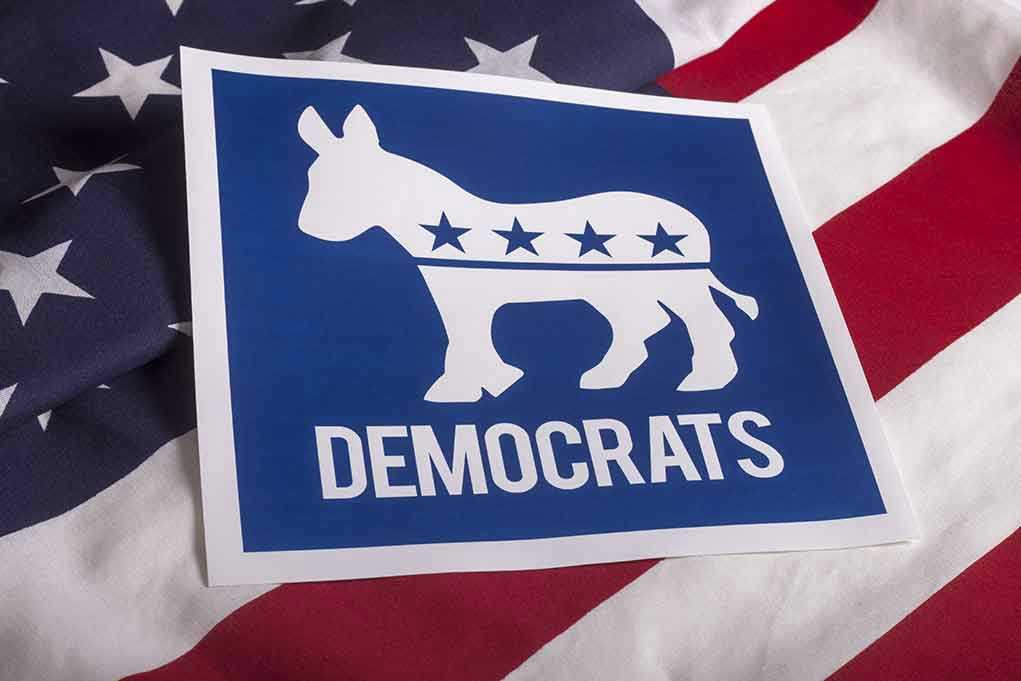
Democrat Civil War Erupts Over Shocking Accusation
Democratic leaders are now under fire from within their own ranks, as one lawmaker publicly accuses another of ‘election subversion’—raising fresh concerns about the left’s internal chaos and threats to constitutional norms.
Story Snapshot
Democratic member of Congress accuses fellow Democrat of ‘election subversion,’ escalating an internal party feud.
Public dispute exposes deep divisions within the Democratic Party over election integrity and transparency.
Ongoing fallout includes calls for investigation, increased media scrutiny, and risks to party unity ahead of midterms.
Incident sets a precedent for handling internal election-related accusations, with implications for party discipline and public trust.
Intra-Party Accusation Sparks National Debate Over Election Integrity
In early November 2025, a Democratic member of Congress publicly accused a fellow party lawmaker of engaging in “election subversion.” This charge, made through a direct public statement, centered on alleged procedural maneuvers and rhetoric that purportedly undermined the integrity of a recent election process.
The incident quickly escalated, drawing national attention and intense media coverage. Instead of partisan crossfire, this dispute is unique in its intra-party nature, revealing deep ideological divides and raising uncomfortable questions about how the Democratic Party governs itself and maintains transparency in its election procedures.
As the story unfolded, both lawmakers took their positions to the public stage. The accused lawmaker denied any wrongdoing, defending their actions as compliant with party rules and principles of election integrity.
Meanwhile, the accusing lawmaker doubled down, calling for an internal investigation and asserting that no party member should be exempt from scrutiny when democratic processes are at stake.
Party leaders, scrambling to contain the fallout, released statements urging unity and promising a thorough review of the allegations. The Democratic National Committee faces mounting pressure to demonstrate its commitment to transparent and fair elections, even as grassroots activists and establishment figures clash over how best to resolve the dispute without further damaging party morale or public confidence.
Internal Division and the Erosion of Party Trust
This highly publicized feud highlights the growing tension between progressive and establishment wings of the Democratic Party. With the 2026 midterm elections approaching, the party’s efforts to present a unified front are being tested by ideological and generational divides.
Past incidents—from the 2020 Iowa Caucus technical failures to the 2022 New York redistricting battles—underscore the challenges of maintaining party discipline while respecting diverse viewpoints.
The current dispute risks eroding trust not only among party members but also among voters, who may perceive these internal conflicts as evidence of broader dysfunction and a lack of commitment to the principles of fair representation and democratic governance.
Short-term impacts include heightened media scrutiny and a potential distraction from legislative priorities, as party leaders focus on managing the fallout. The risk of further intra-party conflict is significant, especially if the investigation fails to resolve key questions or if either faction feels marginalized.
In the long term, the incident may prompt reforms to party rules and candidate selection processes, setting a precedent for how internal allegations of election misconduct are addressed. These reforms could have far-reaching consequences for the party’s reputation, internal accountability mechanisms, and the confidence of grassroots activists and the broader electorate.
Expert Analysis: Transparency Versus Unity in Party Governance
Election law scholars and political scientists have weighed in, emphasizing the importance of transparent processes and robust internal accountability. The rarity of public intra-party accusations of election subversion makes this incident particularly significant, highlighting the delicate balance parties must strike between transparency and unity.
Academic institutions such as the Brookings Institution and Harvard Kennedy School stress that internal disputes, even in the absence of proven misconduct, can undermine public trust in the party’s legitimacy.
Strategists warn that ongoing internal conflict may threaten the Democratic Party’s electoral prospects and provide ammunition for critics concerned about government overreach, lack of accountability, and the erosion of foundational democratic principles.
While progressive activists support the call for transparency and reform, establishment figures urge restraint, cautioning against airing disputes that may weaken party cohesion. The debate also spills into broader discussions about democracy and the need for clear, enforceable rules governing internal party conduct.
As the investigation continues and media coverage remains intense, the outcome will likely influence future approaches to internal governance, election integrity, and public communication—issues at the heart of conservative concerns about protecting constitutional values and ensuring accountable leadership.
Democrat Civil War Erupts Over Shocking Accusation
Democratic leaders are now under fire from within their own ranks, as one lawmaker publicly accuses another of ‘election subversion’—raising fresh concerns about the left’s internal chaos and threats to constitutional norms.
Story Snapshot
Democratic member of Congress accuses fellow Democrat of ‘election subversion,’ escalating an internal party feud.
Public dispute exposes deep divisions within the Democratic Party over election integrity and transparency.
Ongoing fallout includes calls for investigation, increased media scrutiny, and risks to party unity ahead of midterms.
Incident sets a precedent for handling internal election-related accusations, with implications for party discipline and public trust.
Intra-Party Accusation Sparks National Debate Over Election Integrity
In early November 2025, a Democratic member of Congress publicly accused a fellow party lawmaker of engaging in “election subversion.” This charge, made through a direct public statement, centered on alleged procedural maneuvers and rhetoric that purportedly undermined the integrity of a recent election process.
The incident quickly escalated, drawing national attention and intense media coverage. Instead of partisan crossfire, this dispute is unique in its intra-party nature, revealing deep ideological divides and raising uncomfortable questions about how the Democratic Party governs itself and maintains transparency in its election procedures.
As the story unfolded, both lawmakers took their positions to the public stage. The accused lawmaker denied any wrongdoing, defending their actions as compliant with party rules and principles of election integrity.
Meanwhile, the accusing lawmaker doubled down, calling for an internal investigation and asserting that no party member should be exempt from scrutiny when democratic processes are at stake.
Party leaders, scrambling to contain the fallout, released statements urging unity and promising a thorough review of the allegations. The Democratic National Committee faces mounting pressure to demonstrate its commitment to transparent and fair elections, even as grassroots activists and establishment figures clash over how best to resolve the dispute without further damaging party morale or public confidence.
Internal Division and the Erosion of Party Trust
This highly publicized feud highlights the growing tension between progressive and establishment wings of the Democratic Party. With the 2026 midterm elections approaching, the party’s efforts to present a unified front are being tested by ideological and generational divides.
Past incidents—from the 2020 Iowa Caucus technical failures to the 2022 New York redistricting battles—underscore the challenges of maintaining party discipline while respecting diverse viewpoints.
The current dispute risks eroding trust not only among party members but also among voters, who may perceive these internal conflicts as evidence of broader dysfunction and a lack of commitment to the principles of fair representation and democratic governance.
Short-term impacts include heightened media scrutiny and a potential distraction from legislative priorities, as party leaders focus on managing the fallout. The risk of further intra-party conflict is significant, especially if the investigation fails to resolve key questions or if either faction feels marginalized.
In the long term, the incident may prompt reforms to party rules and candidate selection processes, setting a precedent for how internal allegations of election misconduct are addressed. These reforms could have far-reaching consequences for the party’s reputation, internal accountability mechanisms, and the confidence of grassroots activists and the broader electorate.
Expert Analysis: Transparency Versus Unity in Party Governance
Election law scholars and political scientists have weighed in, emphasizing the importance of transparent processes and robust internal accountability. The rarity of public intra-party accusations of election subversion makes this incident particularly significant, highlighting the delicate balance parties must strike between transparency and unity.
Academic institutions such as the Brookings Institution and Harvard Kennedy School stress that internal disputes, even in the absence of proven misconduct, can undermine public trust in the party’s legitimacy.
Strategists warn that ongoing internal conflict may threaten the Democratic Party’s electoral prospects and provide ammunition for critics concerned about government overreach, lack of accountability, and the erosion of foundational democratic principles.
While progressive activists support the call for transparency and reform, establishment figures urge restraint, cautioning against airing disputes that may weaken party cohesion. The debate also spills into broader discussions about democracy and the need for clear, enforceable rules governing internal party conduct.
As the investigation continues and media coverage remains intense, the outcome will likely influence future approaches to internal governance, election integrity, and public communication—issues at the heart of conservative concerns about protecting constitutional values and ensuring accountable leadership.
Democrat Civil War Erupts Over Shocking Accusation
Democratic leaders are now under fire from within their own ranks, as one lawmaker publicly accuses another of ‘election subversion’—raising fresh concerns about the left’s internal chaos and threats to constitutional norms.
Story Snapshot
Democratic member of Congress accuses fellow Democrat of ‘election subversion,’ escalating an internal party feud.
Public dispute exposes deep divisions within the Democratic Party over election integrity and transparency.
Ongoing fallout includes calls for investigation, increased media scrutiny, and risks to party unity ahead of midterms.
Incident sets a precedent for handling internal election-related accusations, with implications for party discipline and public trust.
Intra-Party Accusation Sparks National Debate Over Election Integrity
In early November 2025, a Democratic member of Congress publicly accused a fellow party lawmaker of engaging in “election subversion.” This charge, made through a direct public statement, centered on alleged procedural maneuvers and rhetoric that purportedly undermined the integrity of a recent election process.
The incident quickly escalated, drawing national attention and intense media coverage. Instead of partisan crossfire, this dispute is unique in its intra-party nature, revealing deep ideological divides and raising uncomfortable questions about how the Democratic Party governs itself and maintains transparency in its election procedures.
As the story unfolded, both lawmakers took their positions to the public stage. The accused lawmaker denied any wrongdoing, defending their actions as compliant with party rules and principles of election integrity.
Meanwhile, the accusing lawmaker doubled down, calling for an internal investigation and asserting that no party member should be exempt from scrutiny when democratic processes are at stake.
Party leaders, scrambling to contain the fallout, released statements urging unity and promising a thorough review of the allegations. The Democratic National Committee faces mounting pressure to demonstrate its commitment to transparent and fair elections, even as grassroots activists and establishment figures clash over how best to resolve the dispute without further damaging party morale or public confidence.
Internal Division and the Erosion of Party Trust
This highly publicized feud highlights the growing tension between progressive and establishment wings of the Democratic Party. With the 2026 midterm elections approaching, the party’s efforts to present a unified front are being tested by ideological and generational divides.
Past incidents—from the 2020 Iowa Caucus technical failures to the 2022 New York redistricting battles—underscore the challenges of maintaining party discipline while respecting diverse viewpoints.
The current dispute risks eroding trust not only among party members but also among voters, who may perceive these internal conflicts as evidence of broader dysfunction and a lack of commitment to the principles of fair representation and democratic governance.
Short-term impacts include heightened media scrutiny and a potential distraction from legislative priorities, as party leaders focus on managing the fallout. The risk of further intra-party conflict is significant, especially if the investigation fails to resolve key questions or if either faction feels marginalized.
In the long term, the incident may prompt reforms to party rules and candidate selection processes, setting a precedent for how internal allegations of election misconduct are addressed. These reforms could have far-reaching consequences for the party’s reputation, internal accountability mechanisms, and the confidence of grassroots activists and the broader electorate.
Expert Analysis: Transparency Versus Unity in Party Governance
Election law scholars and political scientists have weighed in, emphasizing the importance of transparent processes and robust internal accountability. The rarity of public intra-party accusations of election subversion makes this incident particularly significant, highlighting the delicate balance parties must strike between transparency and unity.
Academic institutions such as the Brookings Institution and Harvard Kennedy School stress that internal disputes, even in the absence of proven misconduct, can undermine public trust in the party’s legitimacy.
Strategists warn that ongoing internal conflict may threaten the Democratic Party’s electoral prospects and provide ammunition for critics concerned about government overreach, lack of accountability, and the erosion of foundational democratic principles.
While progressive activists support the call for transparency and reform, establishment figures urge restraint, cautioning against airing disputes that may weaken party cohesion. The debate also spills into broader discussions about democracy and the need for clear, enforceable rules governing internal party conduct.
As the investigation continues and media coverage remains intense, the outcome will likely influence future approaches to internal governance, election integrity, and public communication—issues at the heart of conservative concerns about protecting constitutional values and ensuring accountable leadership.
Democrat Civil War Erupts Over Shocking Accusation
Democratic leaders are now under fire from within their own ranks, as one lawmaker publicly accuses another of ‘election subversion’—raising fresh concerns about the left’s internal chaos and threats to constitutional norms.
Story Snapshot
Democratic member of Congress accuses fellow Democrat of ‘election subversion,’ escalating an internal party feud.
Public dispute exposes deep divisions within the Democratic Party over election integrity and transparency.
Ongoing fallout includes calls for investigation, increased media scrutiny, and risks to party unity ahead of midterms.
Incident sets a precedent for handling internal election-related accusations, with implications for party discipline and public trust.
Intra-Party Accusation Sparks National Debate Over Election Integrity
In early November 2025, a Democratic member of Congress publicly accused a fellow party lawmaker of engaging in “election subversion.” This charge, made through a direct public statement, centered on alleged procedural maneuvers and rhetoric that purportedly undermined the integrity of a recent election process.
The incident quickly escalated, drawing national attention and intense media coverage. Instead of partisan crossfire, this dispute is unique in its intra-party nature, revealing deep ideological divides and raising uncomfortable questions about how the Democratic Party governs itself and maintains transparency in its election procedures.
As the story unfolded, both lawmakers took their positions to the public stage. The accused lawmaker denied any wrongdoing, defending their actions as compliant with party rules and principles of election integrity.
Meanwhile, the accusing lawmaker doubled down, calling for an internal investigation and asserting that no party member should be exempt from scrutiny when democratic processes are at stake.
Party leaders, scrambling to contain the fallout, released statements urging unity and promising a thorough review of the allegations. The Democratic National Committee faces mounting pressure to demonstrate its commitment to transparent and fair elections, even as grassroots activists and establishment figures clash over how best to resolve the dispute without further damaging party morale or public confidence.
Internal Division and the Erosion of Party Trust
This highly publicized feud highlights the growing tension between progressive and establishment wings of the Democratic Party. With the 2026 midterm elections approaching, the party’s efforts to present a unified front are being tested by ideological and generational divides.
Past incidents—from the 2020 Iowa Caucus technical failures to the 2022 New York redistricting battles—underscore the challenges of maintaining party discipline while respecting diverse viewpoints.
The current dispute risks eroding trust not only among party members but also among voters, who may perceive these internal conflicts as evidence of broader dysfunction and a lack of commitment to the principles of fair representation and democratic governance.
Short-term impacts include heightened media scrutiny and a potential distraction from legislative priorities, as party leaders focus on managing the fallout. The risk of further intra-party conflict is significant, especially if the investigation fails to resolve key questions or if either faction feels marginalized.
In the long term, the incident may prompt reforms to party rules and candidate selection processes, setting a precedent for how internal allegations of election misconduct are addressed. These reforms could have far-reaching consequences for the party’s reputation, internal accountability mechanisms, and the confidence of grassroots activists and the broader electorate.
Expert Analysis: Transparency Versus Unity in Party Governance
Election law scholars and political scientists have weighed in, emphasizing the importance of transparent processes and robust internal accountability. The rarity of public intra-party accusations of election subversion makes this incident particularly significant, highlighting the delicate balance parties must strike between transparency and unity.
Academic institutions such as the Brookings Institution and Harvard Kennedy School stress that internal disputes, even in the absence of proven misconduct, can undermine public trust in the party’s legitimacy.
Strategists warn that ongoing internal conflict may threaten the Democratic Party’s electoral prospects and provide ammunition for critics concerned about government overreach, lack of accountability, and the erosion of foundational democratic principles.
While progressive activists support the call for transparency and reform, establishment figures urge restraint, cautioning against airing disputes that may weaken party cohesion. The debate also spills into broader discussions about democracy and the need for clear, enforceable rules governing internal party conduct.
As the investigation continues and media coverage remains intense, the outcome will likely influence future approaches to internal governance, election integrity, and public communication—issues at the heart of conservative concerns about protecting constitutional values and ensuring accountable leadership.
Democrat Civil War Erupts Over Shocking Accusation
Democratic leaders are now under fire from within their own ranks, as one lawmaker publicly accuses another of ‘election subversion’—raising fresh concerns about the left’s internal chaos and threats to constitutional norms.
Story Snapshot
Democratic member of Congress accuses fellow Democrat of ‘election subversion,’ escalating an internal party feud.
Public dispute exposes deep divisions within the Democratic Party over election integrity and transparency.
Ongoing fallout includes calls for investigation, increased media scrutiny, and risks to party unity ahead of midterms.
Incident sets a precedent for handling internal election-related accusations, with implications for party discipline and public trust.
Intra-Party Accusation Sparks National Debate Over Election Integrity
In early November 2025, a Democratic member of Congress publicly accused a fellow party lawmaker of engaging in “election subversion.” This charge, made through a direct public statement, centered on alleged procedural maneuvers and rhetoric that purportedly undermined the integrity of a recent election process.
The incident quickly escalated, drawing national attention and intense media coverage. Instead of partisan crossfire, this dispute is unique in its intra-party nature, revealing deep ideological divides and raising uncomfortable questions about how the Democratic Party governs itself and maintains transparency in its election procedures.
As the story unfolded, both lawmakers took their positions to the public stage. The accused lawmaker denied any wrongdoing, defending their actions as compliant with party rules and principles of election integrity.
Meanwhile, the accusing lawmaker doubled down, calling for an internal investigation and asserting that no party member should be exempt from scrutiny when democratic processes are at stake.
Party leaders, scrambling to contain the fallout, released statements urging unity and promising a thorough review of the allegations. The Democratic National Committee faces mounting pressure to demonstrate its commitment to transparent and fair elections, even as grassroots activists and establishment figures clash over how best to resolve the dispute without further damaging party morale or public confidence.
Internal Division and the Erosion of Party Trust
This highly publicized feud highlights the growing tension between progressive and establishment wings of the Democratic Party. With the 2026 midterm elections approaching, the party’s efforts to present a unified front are being tested by ideological and generational divides.
Past incidents—from the 2020 Iowa Caucus technical failures to the 2022 New York redistricting battles—underscore the challenges of maintaining party discipline while respecting diverse viewpoints.
The current dispute risks eroding trust not only among party members but also among voters, who may perceive these internal conflicts as evidence of broader dysfunction and a lack of commitment to the principles of fair representation and democratic governance.
Short-term impacts include heightened media scrutiny and a potential distraction from legislative priorities, as party leaders focus on managing the fallout. The risk of further intra-party conflict is significant, especially if the investigation fails to resolve key questions or if either faction feels marginalized.
In the long term, the incident may prompt reforms to party rules and candidate selection processes, setting a precedent for how internal allegations of election misconduct are addressed. These reforms could have far-reaching consequences for the party’s reputation, internal accountability mechanisms, and the confidence of grassroots activists and the broader electorate.
Expert Analysis: Transparency Versus Unity in Party Governance
Election law scholars and political scientists have weighed in, emphasizing the importance of transparent processes and robust internal accountability. The rarity of public intra-party accusations of election subversion makes this incident particularly significant, highlighting the delicate balance parties must strike between transparency and unity.
Academic institutions such as the Brookings Institution and Harvard Kennedy School stress that internal disputes, even in the absence of proven misconduct, can undermine public trust in the party’s legitimacy.
Strategists warn that ongoing internal conflict may threaten the Democratic Party’s electoral prospects and provide ammunition for critics concerned about government overreach, lack of accountability, and the erosion of foundational democratic principles.
While progressive activists support the call for transparency and reform, establishment figures urge restraint, cautioning against airing disputes that may weaken party cohesion. The debate also spills into broader discussions about democracy and the need for clear, enforceable rules governing internal party conduct.
As the investigation continues and media coverage remains intense, the outcome will likely influence future approaches to internal governance, election integrity, and public communication—issues at the heart of conservative concerns about protecting constitutional values and ensuring accountable leadership.
Democrat Civil War Erupts Over Shocking Accusation
Democratic leaders are now under fire from within their own ranks, as one lawmaker publicly accuses another of ‘election subversion’—raising fresh concerns about the left’s internal chaos and threats to constitutional norms.
Story Snapshot
Democratic member of Congress accuses fellow Democrat of ‘election subversion,’ escalating an internal party feud.
Public dispute exposes deep divisions within the Democratic Party over election integrity and transparency.
Ongoing fallout includes calls for investigation, increased media scrutiny, and risks to party unity ahead of midterms.
Incident sets a precedent for handling internal election-related accusations, with implications for party discipline and public trust.
Intra-Party Accusation Sparks National Debate Over Election Integrity
In early November 2025, a Democratic member of Congress publicly accused a fellow party lawmaker of engaging in “election subversion.” This charge, made through a direct public statement, centered on alleged procedural maneuvers and rhetoric that purportedly undermined the integrity of a recent election process.
The incident quickly escalated, drawing national attention and intense media coverage. Instead of partisan crossfire, this dispute is unique in its intra-party nature, revealing deep ideological divides and raising uncomfortable questions about how the Democratic Party governs itself and maintains transparency in its election procedures.
As the story unfolded, both lawmakers took their positions to the public stage. The accused lawmaker denied any wrongdoing, defending their actions as compliant with party rules and principles of election integrity.
Meanwhile, the accusing lawmaker doubled down, calling for an internal investigation and asserting that no party member should be exempt from scrutiny when democratic processes are at stake.
Party leaders, scrambling to contain the fallout, released statements urging unity and promising a thorough review of the allegations. The Democratic National Committee faces mounting pressure to demonstrate its commitment to transparent and fair elections, even as grassroots activists and establishment figures clash over how best to resolve the dispute without further damaging party morale or public confidence.
Internal Division and the Erosion of Party Trust
This highly publicized feud highlights the growing tension between progressive and establishment wings of the Democratic Party. With the 2026 midterm elections approaching, the party’s efforts to present a unified front are being tested by ideological and generational divides.
Past incidents—from the 2020 Iowa Caucus technical failures to the 2022 New York redistricting battles—underscore the challenges of maintaining party discipline while respecting diverse viewpoints.
The current dispute risks eroding trust not only among party members but also among voters, who may perceive these internal conflicts as evidence of broader dysfunction and a lack of commitment to the principles of fair representation and democratic governance.
Short-term impacts include heightened media scrutiny and a potential distraction from legislative priorities, as party leaders focus on managing the fallout. The risk of further intra-party conflict is significant, especially if the investigation fails to resolve key questions or if either faction feels marginalized.
In the long term, the incident may prompt reforms to party rules and candidate selection processes, setting a precedent for how internal allegations of election misconduct are addressed. These reforms could have far-reaching consequences for the party’s reputation, internal accountability mechanisms, and the confidence of grassroots activists and the broader electorate.
Expert Analysis: Transparency Versus Unity in Party Governance
Election law scholars and political scientists have weighed in, emphasizing the importance of transparent processes and robust internal accountability. The rarity of public intra-party accusations of election subversion makes this incident particularly significant, highlighting the delicate balance parties must strike between transparency and unity.
Academic institutions such as the Brookings Institution and Harvard Kennedy School stress that internal disputes, even in the absence of proven misconduct, can undermine public trust in the party’s legitimacy.
Strategists warn that ongoing internal conflict may threaten the Democratic Party’s electoral prospects and provide ammunition for critics concerned about government overreach, lack of accountability, and the erosion of foundational democratic principles.
While progressive activists support the call for transparency and reform, establishment figures urge restraint, cautioning against airing disputes that may weaken party cohesion. The debate also spills into broader discussions about democracy and the need for clear, enforceable rules governing internal party conduct.
As the investigation continues and media coverage remains intense, the outcome will likely influence future approaches to internal governance, election integrity, and public communication—issues at the heart of conservative concerns about protecting constitutional values and ensuring accountable leadership.
Being willing and flexible will likely open the doors of opportunity today, Aquarius. Let ideas marinate before you fully commit, but do take the plunge. Take a deep breath and broaden your horizons in some place other than the familiar if you can. Don’t be in a hurry for immediate results, but do expect good things to come.
Template 2
Democrat Civil War Erupts Over Shocking Accusation
Democratic leaders are now under fire from within their own ranks, as one lawmaker publicly accuses another of ‘election subversion’—raising fresh concerns about the left’s internal chaos and threats to constitutional norms.
Story Snapshot
Democratic member of Congress accuses fellow Democrat of ‘election subversion,’ escalating an internal party feud.
Public dispute exposes deep divisions within the Democratic Party over election integrity and transparency.
Ongoing fallout includes calls for investigation, increased media scrutiny, and risks to party unity ahead of midterms.
Incident sets a precedent for handling internal election-related accusations, with implications for party discipline and public trust.
Intra-Party Accusation Sparks National Debate Over Election Integrity
In early November 2025, a Democratic member of Congress publicly accused a fellow party lawmaker of engaging in “election subversion.” This charge, made through a direct public statement, centered on alleged procedural maneuvers and rhetoric that purportedly undermined the integrity of a recent election process.
The incident quickly escalated, drawing national attention and intense media coverage. Instead of partisan crossfire, this dispute is unique in its intra-party nature, revealing deep ideological divides and raising uncomfortable questions about how the Democratic Party governs itself and maintains transparency in its election procedures.
As the story unfolded, both lawmakers took their positions to the public stage. The accused lawmaker denied any wrongdoing, defending their actions as compliant with party rules and principles of election integrity.
Meanwhile, the accusing lawmaker doubled down, calling for an internal investigation and asserting that no party member should be exempt from scrutiny when democratic processes are at stake.
Party leaders, scrambling to contain the fallout, released statements urging unity and promising a thorough review of the allegations. The Democratic National Committee faces mounting pressure to demonstrate its commitment to transparent and fair elections, even as grassroots activists and establishment figures clash over how best to resolve the dispute without further damaging party morale or public confidence.
Internal Division and the Erosion of Party Trust
This highly publicized feud highlights the growing tension between progressive and establishment wings of the Democratic Party. With the 2026 midterm elections approaching, the party’s efforts to present a unified front are being tested by ideological and generational divides.
Past incidents—from the 2020 Iowa Caucus technical failures to the 2022 New York redistricting battles—underscore the challenges of maintaining party discipline while respecting diverse viewpoints.
The current dispute risks eroding trust not only among party members but also among voters, who may perceive these internal conflicts as evidence of broader dysfunction and a lack of commitment to the principles of fair representation and democratic governance.
Short-term impacts include heightened media scrutiny and a potential distraction from legislative priorities, as party leaders focus on managing the fallout. The risk of further intra-party conflict is significant, especially if the investigation fails to resolve key questions or if either faction feels marginalized.
In the long term, the incident may prompt reforms to party rules and candidate selection processes, setting a precedent for how internal allegations of election misconduct are addressed. These reforms could have far-reaching consequences for the party’s reputation, internal accountability mechanisms, and the confidence of grassroots activists and the broader electorate.
Expert Analysis: Transparency Versus Unity in Party Governance
Election law scholars and political scientists have weighed in, emphasizing the importance of transparent processes and robust internal accountability. The rarity of public intra-party accusations of election subversion makes this incident particularly significant, highlighting the delicate balance parties must strike between transparency and unity.
Academic institutions such as the Brookings Institution and Harvard Kennedy School stress that internal disputes, even in the absence of proven misconduct, can undermine public trust in the party’s legitimacy.
Strategists warn that ongoing internal conflict may threaten the Democratic Party’s electoral prospects and provide ammunition for critics concerned about government overreach, lack of accountability, and the erosion of foundational democratic principles.
While progressive activists support the call for transparency and reform, establishment figures urge restraint, cautioning against airing disputes that may weaken party cohesion. The debate also spills into broader discussions about democracy and the need for clear, enforceable rules governing internal party conduct.
As the investigation continues and media coverage remains intense, the outcome will likely influence future approaches to internal governance, election integrity, and public communication—issues at the heart of conservative concerns about protecting constitutional values and ensuring accountable leadership.
Democrat Civil War Erupts Over Shocking Accusation
Democratic leaders are now under fire from within their own ranks, as one lawmaker publicly accuses another of ‘election subversion’—raising fresh concerns about the left’s internal chaos and threats to constitutional norms.
Story Snapshot
Democratic member of Congress accuses fellow Democrat of ‘election subversion,’ escalating an internal party feud.
Public dispute exposes deep divisions within the Democratic Party over election integrity and transparency.
Ongoing fallout includes calls for investigation, increased media scrutiny, and risks to party unity ahead of midterms.
Incident sets a precedent for handling internal election-related accusations, with implications for party discipline and public trust.
Intra-Party Accusation Sparks National Debate Over Election Integrity
In early November 2025, a Democratic member of Congress publicly accused a fellow party lawmaker of engaging in “election subversion.” This charge, made through a direct public statement, centered on alleged procedural maneuvers and rhetoric that purportedly undermined the integrity of a recent election process.
The incident quickly escalated, drawing national attention and intense media coverage. Instead of partisan crossfire, this dispute is unique in its intra-party nature, revealing deep ideological divides and raising uncomfortable questions about how the Democratic Party governs itself and maintains transparency in its election procedures.
As the story unfolded, both lawmakers took their positions to the public stage. The accused lawmaker denied any wrongdoing, defending their actions as compliant with party rules and principles of election integrity.
Meanwhile, the accusing lawmaker doubled down, calling for an internal investigation and asserting that no party member should be exempt from scrutiny when democratic processes are at stake.
Party leaders, scrambling to contain the fallout, released statements urging unity and promising a thorough review of the allegations. The Democratic National Committee faces mounting pressure to demonstrate its commitment to transparent and fair elections, even as grassroots activists and establishment figures clash over how best to resolve the dispute without further damaging party morale or public confidence.
Internal Division and the Erosion of Party Trust
This highly publicized feud highlights the growing tension between progressive and establishment wings of the Democratic Party. With the 2026 midterm elections approaching, the party’s efforts to present a unified front are being tested by ideological and generational divides.
Past incidents—from the 2020 Iowa Caucus technical failures to the 2022 New York redistricting battles—underscore the challenges of maintaining party discipline while respecting diverse viewpoints.
The current dispute risks eroding trust not only among party members but also among voters, who may perceive these internal conflicts as evidence of broader dysfunction and a lack of commitment to the principles of fair representation and democratic governance.
Short-term impacts include heightened media scrutiny and a potential distraction from legislative priorities, as party leaders focus on managing the fallout. The risk of further intra-party conflict is significant, especially if the investigation fails to resolve key questions or if either faction feels marginalized.
In the long term, the incident may prompt reforms to party rules and candidate selection processes, setting a precedent for how internal allegations of election misconduct are addressed. These reforms could have far-reaching consequences for the party’s reputation, internal accountability mechanisms, and the confidence of grassroots activists and the broader electorate.
Expert Analysis: Transparency Versus Unity in Party Governance
Election law scholars and political scientists have weighed in, emphasizing the importance of transparent processes and robust internal accountability. The rarity of public intra-party accusations of election subversion makes this incident particularly significant, highlighting the delicate balance parties must strike between transparency and unity.
Academic institutions such as the Brookings Institution and Harvard Kennedy School stress that internal disputes, even in the absence of proven misconduct, can undermine public trust in the party’s legitimacy.
Strategists warn that ongoing internal conflict may threaten the Democratic Party’s electoral prospects and provide ammunition for critics concerned about government overreach, lack of accountability, and the erosion of foundational democratic principles.
While progressive activists support the call for transparency and reform, establishment figures urge restraint, cautioning against airing disputes that may weaken party cohesion. The debate also spills into broader discussions about democracy and the need for clear, enforceable rules governing internal party conduct.
As the investigation continues and media coverage remains intense, the outcome will likely influence future approaches to internal governance, election integrity, and public communication—issues at the heart of conservative concerns about protecting constitutional values and ensuring accountable leadership.
Democrat Civil War Erupts Over Shocking Accusation
Democratic leaders are now under fire from within their own ranks, as one lawmaker publicly accuses another of ‘election subversion’—raising fresh concerns about the left’s internal chaos and threats to constitutional norms.
Story Snapshot
Democratic member of Congress accuses fellow Democrat of ‘election subversion,’ escalating an internal party feud.
Public dispute exposes deep divisions within the Democratic Party over election integrity and transparency.
Ongoing fallout includes calls for investigation, increased media scrutiny, and risks to party unity ahead of midterms.
Incident sets a precedent for handling internal election-related accusations, with implications for party discipline and public trust.
Intra-Party Accusation Sparks National Debate Over Election Integrity
In early November 2025, a Democratic member of Congress publicly accused a fellow party lawmaker of engaging in “election subversion.” This charge, made through a direct public statement, centered on alleged procedural maneuvers and rhetoric that purportedly undermined the integrity of a recent election process.
The incident quickly escalated, drawing national attention and intense media coverage. Instead of partisan crossfire, this dispute is unique in its intra-party nature, revealing deep ideological divides and raising uncomfortable questions about how the Democratic Party governs itself and maintains transparency in its election procedures.
As the story unfolded, both lawmakers took their positions to the public stage. The accused lawmaker denied any wrongdoing, defending their actions as compliant with party rules and principles of election integrity.
Meanwhile, the accusing lawmaker doubled down, calling for an internal investigation and asserting that no party member should be exempt from scrutiny when democratic processes are at stake.
Party leaders, scrambling to contain the fallout, released statements urging unity and promising a thorough review of the allegations. The Democratic National Committee faces mounting pressure to demonstrate its commitment to transparent and fair elections, even as grassroots activists and establishment figures clash over how best to resolve the dispute without further damaging party morale or public confidence.
Internal Division and the Erosion of Party Trust
This highly publicized feud highlights the growing tension between progressive and establishment wings of the Democratic Party. With the 2026 midterm elections approaching, the party’s efforts to present a unified front are being tested by ideological and generational divides.
Past incidents—from the 2020 Iowa Caucus technical failures to the 2022 New York redistricting battles—underscore the challenges of maintaining party discipline while respecting diverse viewpoints.
The current dispute risks eroding trust not only among party members but also among voters, who may perceive these internal conflicts as evidence of broader dysfunction and a lack of commitment to the principles of fair representation and democratic governance.
Short-term impacts include heightened media scrutiny and a potential distraction from legislative priorities, as party leaders focus on managing the fallout. The risk of further intra-party conflict is significant, especially if the investigation fails to resolve key questions or if either faction feels marginalized.
In the long term, the incident may prompt reforms to party rules and candidate selection processes, setting a precedent for how internal allegations of election misconduct are addressed. These reforms could have far-reaching consequences for the party’s reputation, internal accountability mechanisms, and the confidence of grassroots activists and the broader electorate.
Expert Analysis: Transparency Versus Unity in Party Governance
Election law scholars and political scientists have weighed in, emphasizing the importance of transparent processes and robust internal accountability. The rarity of public intra-party accusations of election subversion makes this incident particularly significant, highlighting the delicate balance parties must strike between transparency and unity.
Academic institutions such as the Brookings Institution and Harvard Kennedy School stress that internal disputes, even in the absence of proven misconduct, can undermine public trust in the party’s legitimacy.
Strategists warn that ongoing internal conflict may threaten the Democratic Party’s electoral prospects and provide ammunition for critics concerned about government overreach, lack of accountability, and the erosion of foundational democratic principles.
While progressive activists support the call for transparency and reform, establishment figures urge restraint, cautioning against airing disputes that may weaken party cohesion. The debate also spills into broader discussions about democracy and the need for clear, enforceable rules governing internal party conduct.
As the investigation continues and media coverage remains intense, the outcome will likely influence future approaches to internal governance, election integrity, and public communication—issues at the heart of conservative concerns about protecting constitutional values and ensuring accountable leadership.
Democrat Civil War Erupts Over Shocking Accusation
Democratic leaders are now under fire from within their own ranks, as one lawmaker publicly accuses another of ‘election subversion’—raising fresh concerns about the left’s internal chaos and threats to constitutional norms.
Story Snapshot
Democratic member of Congress accuses fellow Democrat of ‘election subversion,’ escalating an internal party feud.
Public dispute exposes deep divisions within the Democratic Party over election integrity and transparency.
Ongoing fallout includes calls for investigation, increased media scrutiny, and risks to party unity ahead of midterms.
Incident sets a precedent for handling internal election-related accusations, with implications for party discipline and public trust.
Intra-Party Accusation Sparks National Debate Over Election Integrity
In early November 2025, a Democratic member of Congress publicly accused a fellow party lawmaker of engaging in “election subversion.” This charge, made through a direct public statement, centered on alleged procedural maneuvers and rhetoric that purportedly undermined the integrity of a recent election process.
The incident quickly escalated, drawing national attention and intense media coverage. Instead of partisan crossfire, this dispute is unique in its intra-party nature, revealing deep ideological divides and raising uncomfortable questions about how the Democratic Party governs itself and maintains transparency in its election procedures.
As the story unfolded, both lawmakers took their positions to the public stage. The accused lawmaker denied any wrongdoing, defending their actions as compliant with party rules and principles of election integrity.
Meanwhile, the accusing lawmaker doubled down, calling for an internal investigation and asserting that no party member should be exempt from scrutiny when democratic processes are at stake.
Party leaders, scrambling to contain the fallout, released statements urging unity and promising a thorough review of the allegations. The Democratic National Committee faces mounting pressure to demonstrate its commitment to transparent and fair elections, even as grassroots activists and establishment figures clash over how best to resolve the dispute without further damaging party morale or public confidence.
Internal Division and the Erosion of Party Trust
This highly publicized feud highlights the growing tension between progressive and establishment wings of the Democratic Party. With the 2026 midterm elections approaching, the party’s efforts to present a unified front are being tested by ideological and generational divides.
Past incidents—from the 2020 Iowa Caucus technical failures to the 2022 New York redistricting battles—underscore the challenges of maintaining party discipline while respecting diverse viewpoints.
The current dispute risks eroding trust not only among party members but also among voters, who may perceive these internal conflicts as evidence of broader dysfunction and a lack of commitment to the principles of fair representation and democratic governance.
Short-term impacts include heightened media scrutiny and a potential distraction from legislative priorities, as party leaders focus on managing the fallout. The risk of further intra-party conflict is significant, especially if the investigation fails to resolve key questions or if either faction feels marginalized.
In the long term, the incident may prompt reforms to party rules and candidate selection processes, setting a precedent for how internal allegations of election misconduct are addressed. These reforms could have far-reaching consequences for the party’s reputation, internal accountability mechanisms, and the confidence of grassroots activists and the broader electorate.
Expert Analysis: Transparency Versus Unity in Party Governance
Election law scholars and political scientists have weighed in, emphasizing the importance of transparent processes and robust internal accountability. The rarity of public intra-party accusations of election subversion makes this incident particularly significant, highlighting the delicate balance parties must strike between transparency and unity.
Academic institutions such as the Brookings Institution and Harvard Kennedy School stress that internal disputes, even in the absence of proven misconduct, can undermine public trust in the party’s legitimacy.
Strategists warn that ongoing internal conflict may threaten the Democratic Party’s electoral prospects and provide ammunition for critics concerned about government overreach, lack of accountability, and the erosion of foundational democratic principles.
While progressive activists support the call for transparency and reform, establishment figures urge restraint, cautioning against airing disputes that may weaken party cohesion. The debate also spills into broader discussions about democracy and the need for clear, enforceable rules governing internal party conduct.
As the investigation continues and media coverage remains intense, the outcome will likely influence future approaches to internal governance, election integrity, and public communication—issues at the heart of conservative concerns about protecting constitutional values and ensuring accountable leadership.
Democrat Civil War Erupts Over Shocking Accusation
Democratic leaders are now under fire from within their own ranks, as one lawmaker publicly accuses another of ‘election subversion’—raising fresh concerns about the left’s internal chaos and threats to constitutional norms.
Story Snapshot
Democratic member of Congress accuses fellow Democrat of ‘election subversion,’ escalating an internal party feud.
Public dispute exposes deep divisions within the Democratic Party over election integrity and transparency.
Ongoing fallout includes calls for investigation, increased media scrutiny, and risks to party unity ahead of midterms.
Incident sets a precedent for handling internal election-related accusations, with implications for party discipline and public trust.
Intra-Party Accusation Sparks National Debate Over Election Integrity
In early November 2025, a Democratic member of Congress publicly accused a fellow party lawmaker of engaging in “election subversion.” This charge, made through a direct public statement, centered on alleged procedural maneuvers and rhetoric that purportedly undermined the integrity of a recent election process.
The incident quickly escalated, drawing national attention and intense media coverage. Instead of partisan crossfire, this dispute is unique in its intra-party nature, revealing deep ideological divides and raising uncomfortable questions about how the Democratic Party governs itself and maintains transparency in its election procedures.
As the story unfolded, both lawmakers took their positions to the public stage. The accused lawmaker denied any wrongdoing, defending their actions as compliant with party rules and principles of election integrity.
Meanwhile, the accusing lawmaker doubled down, calling for an internal investigation and asserting that no party member should be exempt from scrutiny when democratic processes are at stake.
Party leaders, scrambling to contain the fallout, released statements urging unity and promising a thorough review of the allegations. The Democratic National Committee faces mounting pressure to demonstrate its commitment to transparent and fair elections, even as grassroots activists and establishment figures clash over how best to resolve the dispute without further damaging party morale or public confidence.
Internal Division and the Erosion of Party Trust
This highly publicized feud highlights the growing tension between progressive and establishment wings of the Democratic Party. With the 2026 midterm elections approaching, the party’s efforts to present a unified front are being tested by ideological and generational divides.
Past incidents—from the 2020 Iowa Caucus technical failures to the 2022 New York redistricting battles—underscore the challenges of maintaining party discipline while respecting diverse viewpoints.
The current dispute risks eroding trust not only among party members but also among voters, who may perceive these internal conflicts as evidence of broader dysfunction and a lack of commitment to the principles of fair representation and democratic governance.
Short-term impacts include heightened media scrutiny and a potential distraction from legislative priorities, as party leaders focus on managing the fallout. The risk of further intra-party conflict is significant, especially if the investigation fails to resolve key questions or if either faction feels marginalized.
In the long term, the incident may prompt reforms to party rules and candidate selection processes, setting a precedent for how internal allegations of election misconduct are addressed. These reforms could have far-reaching consequences for the party’s reputation, internal accountability mechanisms, and the confidence of grassroots activists and the broader electorate.
Expert Analysis: Transparency Versus Unity in Party Governance
Election law scholars and political scientists have weighed in, emphasizing the importance of transparent processes and robust internal accountability. The rarity of public intra-party accusations of election subversion makes this incident particularly significant, highlighting the delicate balance parties must strike between transparency and unity.
Academic institutions such as the Brookings Institution and Harvard Kennedy School stress that internal disputes, even in the absence of proven misconduct, can undermine public trust in the party’s legitimacy.
Strategists warn that ongoing internal conflict may threaten the Democratic Party’s electoral prospects and provide ammunition for critics concerned about government overreach, lack of accountability, and the erosion of foundational democratic principles.
While progressive activists support the call for transparency and reform, establishment figures urge restraint, cautioning against airing disputes that may weaken party cohesion. The debate also spills into broader discussions about democracy and the need for clear, enforceable rules governing internal party conduct.
As the investigation continues and media coverage remains intense, the outcome will likely influence future approaches to internal governance, election integrity, and public communication—issues at the heart of conservative concerns about protecting constitutional values and ensuring accountable leadership.
Democrat Civil War Erupts Over Shocking Accusation
Democratic leaders are now under fire from within their own ranks, as one lawmaker publicly accuses another of ‘election subversion’—raising fresh concerns about the left’s internal chaos and threats to constitutional norms.
Story Snapshot
Democratic member of Congress accuses fellow Democrat of ‘election subversion,’ escalating an internal party feud.
Public dispute exposes deep divisions within the Democratic Party over election integrity and transparency.
Ongoing fallout includes calls for investigation, increased media scrutiny, and risks to party unity ahead of midterms.
Incident sets a precedent for handling internal election-related accusations, with implications for party discipline and public trust.
Intra-Party Accusation Sparks National Debate Over Election Integrity
In early November 2025, a Democratic member of Congress publicly accused a fellow party lawmaker of engaging in “election subversion.” This charge, made through a direct public statement, centered on alleged procedural maneuvers and rhetoric that purportedly undermined the integrity of a recent election process.
The incident quickly escalated, drawing national attention and intense media coverage. Instead of partisan crossfire, this dispute is unique in its intra-party nature, revealing deep ideological divides and raising uncomfortable questions about how the Democratic Party governs itself and maintains transparency in its election procedures.
As the story unfolded, both lawmakers took their positions to the public stage. The accused lawmaker denied any wrongdoing, defending their actions as compliant with party rules and principles of election integrity.
Meanwhile, the accusing lawmaker doubled down, calling for an internal investigation and asserting that no party member should be exempt from scrutiny when democratic processes are at stake.
Party leaders, scrambling to contain the fallout, released statements urging unity and promising a thorough review of the allegations. The Democratic National Committee faces mounting pressure to demonstrate its commitment to transparent and fair elections, even as grassroots activists and establishment figures clash over how best to resolve the dispute without further damaging party morale or public confidence.
Internal Division and the Erosion of Party Trust
This highly publicized feud highlights the growing tension between progressive and establishment wings of the Democratic Party. With the 2026 midterm elections approaching, the party’s efforts to present a unified front are being tested by ideological and generational divides.
Past incidents—from the 2020 Iowa Caucus technical failures to the 2022 New York redistricting battles—underscore the challenges of maintaining party discipline while respecting diverse viewpoints.
The current dispute risks eroding trust not only among party members but also among voters, who may perceive these internal conflicts as evidence of broader dysfunction and a lack of commitment to the principles of fair representation and democratic governance.
Short-term impacts include heightened media scrutiny and a potential distraction from legislative priorities, as party leaders focus on managing the fallout. The risk of further intra-party conflict is significant, especially if the investigation fails to resolve key questions or if either faction feels marginalized.
In the long term, the incident may prompt reforms to party rules and candidate selection processes, setting a precedent for how internal allegations of election misconduct are addressed. These reforms could have far-reaching consequences for the party’s reputation, internal accountability mechanisms, and the confidence of grassroots activists and the broader electorate.
Expert Analysis: Transparency Versus Unity in Party Governance
Election law scholars and political scientists have weighed in, emphasizing the importance of transparent processes and robust internal accountability. The rarity of public intra-party accusations of election subversion makes this incident particularly significant, highlighting the delicate balance parties must strike between transparency and unity.
Academic institutions such as the Brookings Institution and Harvard Kennedy School stress that internal disputes, even in the absence of proven misconduct, can undermine public trust in the party’s legitimacy.
Strategists warn that ongoing internal conflict may threaten the Democratic Party’s electoral prospects and provide ammunition for critics concerned about government overreach, lack of accountability, and the erosion of foundational democratic principles.
While progressive activists support the call for transparency and reform, establishment figures urge restraint, cautioning against airing disputes that may weaken party cohesion. The debate also spills into broader discussions about democracy and the need for clear, enforceable rules governing internal party conduct.
As the investigation continues and media coverage remains intense, the outcome will likely influence future approaches to internal governance, election integrity, and public communication—issues at the heart of conservative concerns about protecting constitutional values and ensuring accountable leadership.
Being willing and flexible will likely open the doors of opportunity today, Aquarius. Let ideas marinate before you fully commit, but do take the plunge. Take a deep breath and broaden your horizons in some place other than the familiar if you can. Don’t be in a hurry for immediate results, but do expect good things to come.
Template 2
Democrat Civil War Erupts Over Shocking Accusation
Democratic leaders are now under fire from within their own ranks, as one lawmaker publicly accuses another of ‘election subversion’—raising fresh concerns about the left’s internal chaos and threats to constitutional norms.
Story Snapshot
Democratic member of Congress accuses fellow Democrat of ‘election subversion,’ escalating an internal party feud.
Public dispute exposes deep divisions within the Democratic Party over election integrity and transparency.
Ongoing fallout includes calls for investigation, increased media scrutiny, and risks to party unity ahead of midterms.
Incident sets a precedent for handling internal election-related accusations, with implications for party discipline and public trust.
Intra-Party Accusation Sparks National Debate Over Election Integrity
In early November 2025, a Democratic member of Congress publicly accused a fellow party lawmaker of engaging in “election subversion.” This charge, made through a direct public statement, centered on alleged procedural maneuvers and rhetoric that purportedly undermined the integrity of a recent election process.
The incident quickly escalated, drawing national attention and intense media coverage. Instead of partisan crossfire, this dispute is unique in its intra-party nature, revealing deep ideological divides and raising uncomfortable questions about how the Democratic Party governs itself and maintains transparency in its election procedures.
As the story unfolded, both lawmakers took their positions to the public stage. The accused lawmaker denied any wrongdoing, defending their actions as compliant with party rules and principles of election integrity.
Meanwhile, the accusing lawmaker doubled down, calling for an internal investigation and asserting that no party member should be exempt from scrutiny when democratic processes are at stake.
Party leaders, scrambling to contain the fallout, released statements urging unity and promising a thorough review of the allegations. The Democratic National Committee faces mounting pressure to demonstrate its commitment to transparent and fair elections, even as grassroots activists and establishment figures clash over how best to resolve the dispute without further damaging party morale or public confidence.
Internal Division and the Erosion of Party Trust
This highly publicized feud highlights the growing tension between progressive and establishment wings of the Democratic Party. With the 2026 midterm elections approaching, the party’s efforts to present a unified front are being tested by ideological and generational divides.
Past incidents—from the 2020 Iowa Caucus technical failures to the 2022 New York redistricting battles—underscore the challenges of maintaining party discipline while respecting diverse viewpoints.
The current dispute risks eroding trust not only among party members but also among voters, who may perceive these internal conflicts as evidence of broader dysfunction and a lack of commitment to the principles of fair representation and democratic governance.
Short-term impacts include heightened media scrutiny and a potential distraction from legislative priorities, as party leaders focus on managing the fallout. The risk of further intra-party conflict is significant, especially if the investigation fails to resolve key questions or if either faction feels marginalized.
In the long term, the incident may prompt reforms to party rules and candidate selection processes, setting a precedent for how internal allegations of election misconduct are addressed. These reforms could have far-reaching consequences for the party’s reputation, internal accountability mechanisms, and the confidence of grassroots activists and the broader electorate.
Expert Analysis: Transparency Versus Unity in Party Governance
Election law scholars and political scientists have weighed in, emphasizing the importance of transparent processes and robust internal accountability. The rarity of public intra-party accusations of election subversion makes this incident particularly significant, highlighting the delicate balance parties must strike between transparency and unity.
Academic institutions such as the Brookings Institution and Harvard Kennedy School stress that internal disputes, even in the absence of proven misconduct, can undermine public trust in the party’s legitimacy.
Strategists warn that ongoing internal conflict may threaten the Democratic Party’s electoral prospects and provide ammunition for critics concerned about government overreach, lack of accountability, and the erosion of foundational democratic principles.
While progressive activists support the call for transparency and reform, establishment figures urge restraint, cautioning against airing disputes that may weaken party cohesion. The debate also spills into broader discussions about democracy and the need for clear, enforceable rules governing internal party conduct.
As the investigation continues and media coverage remains intense, the outcome will likely influence future approaches to internal governance, election integrity, and public communication—issues at the heart of conservative concerns about protecting constitutional values and ensuring accountable leadership.
Democrat Civil War Erupts Over Shocking Accusation
Democratic leaders are now under fire from within their own ranks, as one lawmaker publicly accuses another of ‘election subversion’—raising fresh concerns about the left’s internal chaos and threats to constitutional norms.
Story Snapshot
Democratic member of Congress accuses fellow Democrat of ‘election subversion,’ escalating an internal party feud.
Public dispute exposes deep divisions within the Democratic Party over election integrity and transparency.
Ongoing fallout includes calls for investigation, increased media scrutiny, and risks to party unity ahead of midterms.
Incident sets a precedent for handling internal election-related accusations, with implications for party discipline and public trust.
Intra-Party Accusation Sparks National Debate Over Election Integrity
In early November 2025, a Democratic member of Congress publicly accused a fellow party lawmaker of engaging in “election subversion.” This charge, made through a direct public statement, centered on alleged procedural maneuvers and rhetoric that purportedly undermined the integrity of a recent election process.
The incident quickly escalated, drawing national attention and intense media coverage. Instead of partisan crossfire, this dispute is unique in its intra-party nature, revealing deep ideological divides and raising uncomfortable questions about how the Democratic Party governs itself and maintains transparency in its election procedures.
As the story unfolded, both lawmakers took their positions to the public stage. The accused lawmaker denied any wrongdoing, defending their actions as compliant with party rules and principles of election integrity.
Meanwhile, the accusing lawmaker doubled down, calling for an internal investigation and asserting that no party member should be exempt from scrutiny when democratic processes are at stake.
Party leaders, scrambling to contain the fallout, released statements urging unity and promising a thorough review of the allegations. The Democratic National Committee faces mounting pressure to demonstrate its commitment to transparent and fair elections, even as grassroots activists and establishment figures clash over how best to resolve the dispute without further damaging party morale or public confidence.
Internal Division and the Erosion of Party Trust
This highly publicized feud highlights the growing tension between progressive and establishment wings of the Democratic Party. With the 2026 midterm elections approaching, the party’s efforts to present a unified front are being tested by ideological and generational divides.
Past incidents—from the 2020 Iowa Caucus technical failures to the 2022 New York redistricting battles—underscore the challenges of maintaining party discipline while respecting diverse viewpoints.
The current dispute risks eroding trust not only among party members but also among voters, who may perceive these internal conflicts as evidence of broader dysfunction and a lack of commitment to the principles of fair representation and democratic governance.
Short-term impacts include heightened media scrutiny and a potential distraction from legislative priorities, as party leaders focus on managing the fallout. The risk of further intra-party conflict is significant, especially if the investigation fails to resolve key questions or if either faction feels marginalized.
In the long term, the incident may prompt reforms to party rules and candidate selection processes, setting a precedent for how internal allegations of election misconduct are addressed. These reforms could have far-reaching consequences for the party’s reputation, internal accountability mechanisms, and the confidence of grassroots activists and the broader electorate.
Expert Analysis: Transparency Versus Unity in Party Governance
Election law scholars and political scientists have weighed in, emphasizing the importance of transparent processes and robust internal accountability. The rarity of public intra-party accusations of election subversion makes this incident particularly significant, highlighting the delicate balance parties must strike between transparency and unity.
Academic institutions such as the Brookings Institution and Harvard Kennedy School stress that internal disputes, even in the absence of proven misconduct, can undermine public trust in the party’s legitimacy.
Strategists warn that ongoing internal conflict may threaten the Democratic Party’s electoral prospects and provide ammunition for critics concerned about government overreach, lack of accountability, and the erosion of foundational democratic principles.
While progressive activists support the call for transparency and reform, establishment figures urge restraint, cautioning against airing disputes that may weaken party cohesion. The debate also spills into broader discussions about democracy and the need for clear, enforceable rules governing internal party conduct.
As the investigation continues and media coverage remains intense, the outcome will likely influence future approaches to internal governance, election integrity, and public communication—issues at the heart of conservative concerns about protecting constitutional values and ensuring accountable leadership.
Democrat Civil War Erupts Over Shocking Accusation
Democratic leaders are now under fire from within their own ranks, as one lawmaker publicly accuses another of ‘election subversion’—raising fresh concerns about the left’s internal chaos and threats to constitutional norms.
Story Snapshot
Democratic member of Congress accuses fellow Democrat of ‘election subversion,’ escalating an internal party feud.
Public dispute exposes deep divisions within the Democratic Party over election integrity and transparency.
Ongoing fallout includes calls for investigation, increased media scrutiny, and risks to party unity ahead of midterms.
Incident sets a precedent for handling internal election-related accusations, with implications for party discipline and public trust.
Intra-Party Accusation Sparks National Debate Over Election Integrity
In early November 2025, a Democratic member of Congress publicly accused a fellow party lawmaker of engaging in “election subversion.” This charge, made through a direct public statement, centered on alleged procedural maneuvers and rhetoric that purportedly undermined the integrity of a recent election process.
The incident quickly escalated, drawing national attention and intense media coverage. Instead of partisan crossfire, this dispute is unique in its intra-party nature, revealing deep ideological divides and raising uncomfortable questions about how the Democratic Party governs itself and maintains transparency in its election procedures.
As the story unfolded, both lawmakers took their positions to the public stage. The accused lawmaker denied any wrongdoing, defending their actions as compliant with party rules and principles of election integrity.
Meanwhile, the accusing lawmaker doubled down, calling for an internal investigation and asserting that no party member should be exempt from scrutiny when democratic processes are at stake.
Party leaders, scrambling to contain the fallout, released statements urging unity and promising a thorough review of the allegations. The Democratic National Committee faces mounting pressure to demonstrate its commitment to transparent and fair elections, even as grassroots activists and establishment figures clash over how best to resolve the dispute without further damaging party morale or public confidence.
Internal Division and the Erosion of Party Trust
This highly publicized feud highlights the growing tension between progressive and establishment wings of the Democratic Party. With the 2026 midterm elections approaching, the party’s efforts to present a unified front are being tested by ideological and generational divides.
Past incidents—from the 2020 Iowa Caucus technical failures to the 2022 New York redistricting battles—underscore the challenges of maintaining party discipline while respecting diverse viewpoints.
The current dispute risks eroding trust not only among party members but also among voters, who may perceive these internal conflicts as evidence of broader dysfunction and a lack of commitment to the principles of fair representation and democratic governance.
Short-term impacts include heightened media scrutiny and a potential distraction from legislative priorities, as party leaders focus on managing the fallout. The risk of further intra-party conflict is significant, especially if the investigation fails to resolve key questions or if either faction feels marginalized.
In the long term, the incident may prompt reforms to party rules and candidate selection processes, setting a precedent for how internal allegations of election misconduct are addressed. These reforms could have far-reaching consequences for the party’s reputation, internal accountability mechanisms, and the confidence of grassroots activists and the broader electorate.
Expert Analysis: Transparency Versus Unity in Party Governance
Election law scholars and political scientists have weighed in, emphasizing the importance of transparent processes and robust internal accountability. The rarity of public intra-party accusations of election subversion makes this incident particularly significant, highlighting the delicate balance parties must strike between transparency and unity.
Academic institutions such as the Brookings Institution and Harvard Kennedy School stress that internal disputes, even in the absence of proven misconduct, can undermine public trust in the party’s legitimacy.
Strategists warn that ongoing internal conflict may threaten the Democratic Party’s electoral prospects and provide ammunition for critics concerned about government overreach, lack of accountability, and the erosion of foundational democratic principles.
While progressive activists support the call for transparency and reform, establishment figures urge restraint, cautioning against airing disputes that may weaken party cohesion. The debate also spills into broader discussions about democracy and the need for clear, enforceable rules governing internal party conduct.
As the investigation continues and media coverage remains intense, the outcome will likely influence future approaches to internal governance, election integrity, and public communication—issues at the heart of conservative concerns about protecting constitutional values and ensuring accountable leadership.
Democrat Civil War Erupts Over Shocking Accusation
Democratic leaders are now under fire from within their own ranks, as one lawmaker publicly accuses another of ‘election subversion’—raising fresh concerns about the left’s internal chaos and threats to constitutional norms.
Story Snapshot
Democratic member of Congress accuses fellow Democrat of ‘election subversion,’ escalating an internal party feud.
Public dispute exposes deep divisions within the Democratic Party over election integrity and transparency.
Ongoing fallout includes calls for investigation, increased media scrutiny, and risks to party unity ahead of midterms.
Incident sets a precedent for handling internal election-related accusations, with implications for party discipline and public trust.
Intra-Party Accusation Sparks National Debate Over Election Integrity
In early November 2025, a Democratic member of Congress publicly accused a fellow party lawmaker of engaging in “election subversion.” This charge, made through a direct public statement, centered on alleged procedural maneuvers and rhetoric that purportedly undermined the integrity of a recent election process.
The incident quickly escalated, drawing national attention and intense media coverage. Instead of partisan crossfire, this dispute is unique in its intra-party nature, revealing deep ideological divides and raising uncomfortable questions about how the Democratic Party governs itself and maintains transparency in its election procedures.
As the story unfolded, both lawmakers took their positions to the public stage. The accused lawmaker denied any wrongdoing, defending their actions as compliant with party rules and principles of election integrity.
Meanwhile, the accusing lawmaker doubled down, calling for an internal investigation and asserting that no party member should be exempt from scrutiny when democratic processes are at stake.
Party leaders, scrambling to contain the fallout, released statements urging unity and promising a thorough review of the allegations. The Democratic National Committee faces mounting pressure to demonstrate its commitment to transparent and fair elections, even as grassroots activists and establishment figures clash over how best to resolve the dispute without further damaging party morale or public confidence.
Internal Division and the Erosion of Party Trust
This highly publicized feud highlights the growing tension between progressive and establishment wings of the Democratic Party. With the 2026 midterm elections approaching, the party’s efforts to present a unified front are being tested by ideological and generational divides.
Past incidents—from the 2020 Iowa Caucus technical failures to the 2022 New York redistricting battles—underscore the challenges of maintaining party discipline while respecting diverse viewpoints.
The current dispute risks eroding trust not only among party members but also among voters, who may perceive these internal conflicts as evidence of broader dysfunction and a lack of commitment to the principles of fair representation and democratic governance.
Short-term impacts include heightened media scrutiny and a potential distraction from legislative priorities, as party leaders focus on managing the fallout. The risk of further intra-party conflict is significant, especially if the investigation fails to resolve key questions or if either faction feels marginalized.
In the long term, the incident may prompt reforms to party rules and candidate selection processes, setting a precedent for how internal allegations of election misconduct are addressed. These reforms could have far-reaching consequences for the party’s reputation, internal accountability mechanisms, and the confidence of grassroots activists and the broader electorate.
Expert Analysis: Transparency Versus Unity in Party Governance
Election law scholars and political scientists have weighed in, emphasizing the importance of transparent processes and robust internal accountability. The rarity of public intra-party accusations of election subversion makes this incident particularly significant, highlighting the delicate balance parties must strike between transparency and unity.
Academic institutions such as the Brookings Institution and Harvard Kennedy School stress that internal disputes, even in the absence of proven misconduct, can undermine public trust in the party’s legitimacy.
Strategists warn that ongoing internal conflict may threaten the Democratic Party’s electoral prospects and provide ammunition for critics concerned about government overreach, lack of accountability, and the erosion of foundational democratic principles.
While progressive activists support the call for transparency and reform, establishment figures urge restraint, cautioning against airing disputes that may weaken party cohesion. The debate also spills into broader discussions about democracy and the need for clear, enforceable rules governing internal party conduct.
As the investigation continues and media coverage remains intense, the outcome will likely influence future approaches to internal governance, election integrity, and public communication—issues at the heart of conservative concerns about protecting constitutional values and ensuring accountable leadership.
Democrat Civil War Erupts Over Shocking Accusation
Democratic leaders are now under fire from within their own ranks, as one lawmaker publicly accuses another of ‘election subversion’—raising fresh concerns about the left’s internal chaos and threats to constitutional norms.
Story Snapshot
Democratic member of Congress accuses fellow Democrat of ‘election subversion,’ escalating an internal party feud.
Public dispute exposes deep divisions within the Democratic Party over election integrity and transparency.
Ongoing fallout includes calls for investigation, increased media scrutiny, and risks to party unity ahead of midterms.
Incident sets a precedent for handling internal election-related accusations, with implications for party discipline and public trust.
Intra-Party Accusation Sparks National Debate Over Election Integrity
In early November 2025, a Democratic member of Congress publicly accused a fellow party lawmaker of engaging in “election subversion.” This charge, made through a direct public statement, centered on alleged procedural maneuvers and rhetoric that purportedly undermined the integrity of a recent election process.
The incident quickly escalated, drawing national attention and intense media coverage. Instead of partisan crossfire, this dispute is unique in its intra-party nature, revealing deep ideological divides and raising uncomfortable questions about how the Democratic Party governs itself and maintains transparency in its election procedures.
As the story unfolded, both lawmakers took their positions to the public stage. The accused lawmaker denied any wrongdoing, defending their actions as compliant with party rules and principles of election integrity.
Meanwhile, the accusing lawmaker doubled down, calling for an internal investigation and asserting that no party member should be exempt from scrutiny when democratic processes are at stake.
Party leaders, scrambling to contain the fallout, released statements urging unity and promising a thorough review of the allegations. The Democratic National Committee faces mounting pressure to demonstrate its commitment to transparent and fair elections, even as grassroots activists and establishment figures clash over how best to resolve the dispute without further damaging party morale or public confidence.
Internal Division and the Erosion of Party Trust
This highly publicized feud highlights the growing tension between progressive and establishment wings of the Democratic Party. With the 2026 midterm elections approaching, the party’s efforts to present a unified front are being tested by ideological and generational divides.
Past incidents—from the 2020 Iowa Caucus technical failures to the 2022 New York redistricting battles—underscore the challenges of maintaining party discipline while respecting diverse viewpoints.
The current dispute risks eroding trust not only among party members but also among voters, who may perceive these internal conflicts as evidence of broader dysfunction and a lack of commitment to the principles of fair representation and democratic governance.
Short-term impacts include heightened media scrutiny and a potential distraction from legislative priorities, as party leaders focus on managing the fallout. The risk of further intra-party conflict is significant, especially if the investigation fails to resolve key questions or if either faction feels marginalized.
In the long term, the incident may prompt reforms to party rules and candidate selection processes, setting a precedent for how internal allegations of election misconduct are addressed. These reforms could have far-reaching consequences for the party’s reputation, internal accountability mechanisms, and the confidence of grassroots activists and the broader electorate.
Expert Analysis: Transparency Versus Unity in Party Governance
Election law scholars and political scientists have weighed in, emphasizing the importance of transparent processes and robust internal accountability. The rarity of public intra-party accusations of election subversion makes this incident particularly significant, highlighting the delicate balance parties must strike between transparency and unity.
Academic institutions such as the Brookings Institution and Harvard Kennedy School stress that internal disputes, even in the absence of proven misconduct, can undermine public trust in the party’s legitimacy.
Strategists warn that ongoing internal conflict may threaten the Democratic Party’s electoral prospects and provide ammunition for critics concerned about government overreach, lack of accountability, and the erosion of foundational democratic principles.
While progressive activists support the call for transparency and reform, establishment figures urge restraint, cautioning against airing disputes that may weaken party cohesion. The debate also spills into broader discussions about democracy and the need for clear, enforceable rules governing internal party conduct.
As the investigation continues and media coverage remains intense, the outcome will likely influence future approaches to internal governance, election integrity, and public communication—issues at the heart of conservative concerns about protecting constitutional values and ensuring accountable leadership.
Democrat Civil War Erupts Over Shocking Accusation
Democratic leaders are now under fire from within their own ranks, as one lawmaker publicly accuses another of ‘election subversion’—raising fresh concerns about the left’s internal chaos and threats to constitutional norms.
Story Snapshot
Democratic member of Congress accuses fellow Democrat of ‘election subversion,’ escalating an internal party feud.
Public dispute exposes deep divisions within the Democratic Party over election integrity and transparency.
Ongoing fallout includes calls for investigation, increased media scrutiny, and risks to party unity ahead of midterms.
Incident sets a precedent for handling internal election-related accusations, with implications for party discipline and public trust.
Intra-Party Accusation Sparks National Debate Over Election Integrity
In early November 2025, a Democratic member of Congress publicly accused a fellow party lawmaker of engaging in “election subversion.” This charge, made through a direct public statement, centered on alleged procedural maneuvers and rhetoric that purportedly undermined the integrity of a recent election process.
The incident quickly escalated, drawing national attention and intense media coverage. Instead of partisan crossfire, this dispute is unique in its intra-party nature, revealing deep ideological divides and raising uncomfortable questions about how the Democratic Party governs itself and maintains transparency in its election procedures.
As the story unfolded, both lawmakers took their positions to the public stage. The accused lawmaker denied any wrongdoing, defending their actions as compliant with party rules and principles of election integrity.
Meanwhile, the accusing lawmaker doubled down, calling for an internal investigation and asserting that no party member should be exempt from scrutiny when democratic processes are at stake.
Party leaders, scrambling to contain the fallout, released statements urging unity and promising a thorough review of the allegations. The Democratic National Committee faces mounting pressure to demonstrate its commitment to transparent and fair elections, even as grassroots activists and establishment figures clash over how best to resolve the dispute without further damaging party morale or public confidence.
Internal Division and the Erosion of Party Trust
This highly publicized feud highlights the growing tension between progressive and establishment wings of the Democratic Party. With the 2026 midterm elections approaching, the party’s efforts to present a unified front are being tested by ideological and generational divides.
Past incidents—from the 2020 Iowa Caucus technical failures to the 2022 New York redistricting battles—underscore the challenges of maintaining party discipline while respecting diverse viewpoints.
The current dispute risks eroding trust not only among party members but also among voters, who may perceive these internal conflicts as evidence of broader dysfunction and a lack of commitment to the principles of fair representation and democratic governance.
Short-term impacts include heightened media scrutiny and a potential distraction from legislative priorities, as party leaders focus on managing the fallout. The risk of further intra-party conflict is significant, especially if the investigation fails to resolve key questions or if either faction feels marginalized.
In the long term, the incident may prompt reforms to party rules and candidate selection processes, setting a precedent for how internal allegations of election misconduct are addressed. These reforms could have far-reaching consequences for the party’s reputation, internal accountability mechanisms, and the confidence of grassroots activists and the broader electorate.
Expert Analysis: Transparency Versus Unity in Party Governance
Election law scholars and political scientists have weighed in, emphasizing the importance of transparent processes and robust internal accountability. The rarity of public intra-party accusations of election subversion makes this incident particularly significant, highlighting the delicate balance parties must strike between transparency and unity.
Academic institutions such as the Brookings Institution and Harvard Kennedy School stress that internal disputes, even in the absence of proven misconduct, can undermine public trust in the party’s legitimacy.
Strategists warn that ongoing internal conflict may threaten the Democratic Party’s electoral prospects and provide ammunition for critics concerned about government overreach, lack of accountability, and the erosion of foundational democratic principles.
While progressive activists support the call for transparency and reform, establishment figures urge restraint, cautioning against airing disputes that may weaken party cohesion. The debate also spills into broader discussions about democracy and the need for clear, enforceable rules governing internal party conduct.
As the investigation continues and media coverage remains intense, the outcome will likely influence future approaches to internal governance, election integrity, and public communication—issues at the heart of conservative concerns about protecting constitutional values and ensuring accountable leadership.
Being willing and flexible will likely open the doors of opportunity today, Aquarius. Let ideas marinate before you fully commit, but do take the plunge. Take a deep breath and broaden your horizons in some place other than the familiar if you can. Don’t be in a hurry for immediate results, but do expect good things to come.
Template 2
Democrat Civil War Erupts Over Shocking Accusation
Democratic leaders are now under fire from within their own ranks, as one lawmaker publicly accuses another of ‘election subversion’—raising fresh concerns about the left’s internal chaos and threats to constitutional norms.
Story Snapshot
Democratic member of Congress accuses fellow Democrat of ‘election subversion,’ escalating an internal party feud.
Public dispute exposes deep divisions within the Democratic Party over election integrity and transparency.
Ongoing fallout includes calls for investigation, increased media scrutiny, and risks to party unity ahead of midterms.
Incident sets a precedent for handling internal election-related accusations, with implications for party discipline and public trust.
Intra-Party Accusation Sparks National Debate Over Election Integrity
In early November 2025, a Democratic member of Congress publicly accused a fellow party lawmaker of engaging in “election subversion.” This charge, made through a direct public statement, centered on alleged procedural maneuvers and rhetoric that purportedly undermined the integrity of a recent election process.
The incident quickly escalated, drawing national attention and intense media coverage. Instead of partisan crossfire, this dispute is unique in its intra-party nature, revealing deep ideological divides and raising uncomfortable questions about how the Democratic Party governs itself and maintains transparency in its election procedures.
As the story unfolded, both lawmakers took their positions to the public stage. The accused lawmaker denied any wrongdoing, defending their actions as compliant with party rules and principles of election integrity.
Meanwhile, the accusing lawmaker doubled down, calling for an internal investigation and asserting that no party member should be exempt from scrutiny when democratic processes are at stake.
Party leaders, scrambling to contain the fallout, released statements urging unity and promising a thorough review of the allegations. The Democratic National Committee faces mounting pressure to demonstrate its commitment to transparent and fair elections, even as grassroots activists and establishment figures clash over how best to resolve the dispute without further damaging party morale or public confidence.
Internal Division and the Erosion of Party Trust
This highly publicized feud highlights the growing tension between progressive and establishment wings of the Democratic Party. With the 2026 midterm elections approaching, the party’s efforts to present a unified front are being tested by ideological and generational divides.
Past incidents—from the 2020 Iowa Caucus technical failures to the 2022 New York redistricting battles—underscore the challenges of maintaining party discipline while respecting diverse viewpoints.
The current dispute risks eroding trust not only among party members but also among voters, who may perceive these internal conflicts as evidence of broader dysfunction and a lack of commitment to the principles of fair representation and democratic governance.
Short-term impacts include heightened media scrutiny and a potential distraction from legislative priorities, as party leaders focus on managing the fallout. The risk of further intra-party conflict is significant, especially if the investigation fails to resolve key questions or if either faction feels marginalized.
In the long term, the incident may prompt reforms to party rules and candidate selection processes, setting a precedent for how internal allegations of election misconduct are addressed. These reforms could have far-reaching consequences for the party’s reputation, internal accountability mechanisms, and the confidence of grassroots activists and the broader electorate.
Expert Analysis: Transparency Versus Unity in Party Governance
Election law scholars and political scientists have weighed in, emphasizing the importance of transparent processes and robust internal accountability. The rarity of public intra-party accusations of election subversion makes this incident particularly significant, highlighting the delicate balance parties must strike between transparency and unity.
Academic institutions such as the Brookings Institution and Harvard Kennedy School stress that internal disputes, even in the absence of proven misconduct, can undermine public trust in the party’s legitimacy.
Strategists warn that ongoing internal conflict may threaten the Democratic Party’s electoral prospects and provide ammunition for critics concerned about government overreach, lack of accountability, and the erosion of foundational democratic principles.
While progressive activists support the call for transparency and reform, establishment figures urge restraint, cautioning against airing disputes that may weaken party cohesion. The debate also spills into broader discussions about democracy and the need for clear, enforceable rules governing internal party conduct.
As the investigation continues and media coverage remains intense, the outcome will likely influence future approaches to internal governance, election integrity, and public communication—issues at the heart of conservative concerns about protecting constitutional values and ensuring accountable leadership.
Democrat Civil War Erupts Over Shocking Accusation
Democratic leaders are now under fire from within their own ranks, as one lawmaker publicly accuses another of ‘election subversion’—raising fresh concerns about the left’s internal chaos and threats to constitutional norms.
Story Snapshot
Democratic member of Congress accuses fellow Democrat of ‘election subversion,’ escalating an internal party feud.
Public dispute exposes deep divisions within the Democratic Party over election integrity and transparency.
Ongoing fallout includes calls for investigation, increased media scrutiny, and risks to party unity ahead of midterms.
Incident sets a precedent for handling internal election-related accusations, with implications for party discipline and public trust.
Intra-Party Accusation Sparks National Debate Over Election Integrity
In early November 2025, a Democratic member of Congress publicly accused a fellow party lawmaker of engaging in “election subversion.” This charge, made through a direct public statement, centered on alleged procedural maneuvers and rhetoric that purportedly undermined the integrity of a recent election process.
The incident quickly escalated, drawing national attention and intense media coverage. Instead of partisan crossfire, this dispute is unique in its intra-party nature, revealing deep ideological divides and raising uncomfortable questions about how the Democratic Party governs itself and maintains transparency in its election procedures.
As the story unfolded, both lawmakers took their positions to the public stage. The accused lawmaker denied any wrongdoing, defending their actions as compliant with party rules and principles of election integrity.
Meanwhile, the accusing lawmaker doubled down, calling for an internal investigation and asserting that no party member should be exempt from scrutiny when democratic processes are at stake.
Party leaders, scrambling to contain the fallout, released statements urging unity and promising a thorough review of the allegations. The Democratic National Committee faces mounting pressure to demonstrate its commitment to transparent and fair elections, even as grassroots activists and establishment figures clash over how best to resolve the dispute without further damaging party morale or public confidence.
Internal Division and the Erosion of Party Trust
This highly publicized feud highlights the growing tension between progressive and establishment wings of the Democratic Party. With the 2026 midterm elections approaching, the party’s efforts to present a unified front are being tested by ideological and generational divides.
Past incidents—from the 2020 Iowa Caucus technical failures to the 2022 New York redistricting battles—underscore the challenges of maintaining party discipline while respecting diverse viewpoints.
The current dispute risks eroding trust not only among party members but also among voters, who may perceive these internal conflicts as evidence of broader dysfunction and a lack of commitment to the principles of fair representation and democratic governance.
Short-term impacts include heightened media scrutiny and a potential distraction from legislative priorities, as party leaders focus on managing the fallout. The risk of further intra-party conflict is significant, especially if the investigation fails to resolve key questions or if either faction feels marginalized.
In the long term, the incident may prompt reforms to party rules and candidate selection processes, setting a precedent for how internal allegations of election misconduct are addressed. These reforms could have far-reaching consequences for the party’s reputation, internal accountability mechanisms, and the confidence of grassroots activists and the broader electorate.
Expert Analysis: Transparency Versus Unity in Party Governance
Election law scholars and political scientists have weighed in, emphasizing the importance of transparent processes and robust internal accountability. The rarity of public intra-party accusations of election subversion makes this incident particularly significant, highlighting the delicate balance parties must strike between transparency and unity.
Academic institutions such as the Brookings Institution and Harvard Kennedy School stress that internal disputes, even in the absence of proven misconduct, can undermine public trust in the party’s legitimacy.
Strategists warn that ongoing internal conflict may threaten the Democratic Party’s electoral prospects and provide ammunition for critics concerned about government overreach, lack of accountability, and the erosion of foundational democratic principles.
While progressive activists support the call for transparency and reform, establishment figures urge restraint, cautioning against airing disputes that may weaken party cohesion. The debate also spills into broader discussions about democracy and the need for clear, enforceable rules governing internal party conduct.
As the investigation continues and media coverage remains intense, the outcome will likely influence future approaches to internal governance, election integrity, and public communication—issues at the heart of conservative concerns about protecting constitutional values and ensuring accountable leadership.
Democrat Civil War Erupts Over Shocking Accusation
Democratic leaders are now under fire from within their own ranks, as one lawmaker publicly accuses another of ‘election subversion’—raising fresh concerns about the left’s internal chaos and threats to constitutional norms.
Story Snapshot
Democratic member of Congress accuses fellow Democrat of ‘election subversion,’ escalating an internal party feud.
Public dispute exposes deep divisions within the Democratic Party over election integrity and transparency.
Ongoing fallout includes calls for investigation, increased media scrutiny, and risks to party unity ahead of midterms.
Incident sets a precedent for handling internal election-related accusations, with implications for party discipline and public trust.
Intra-Party Accusation Sparks National Debate Over Election Integrity
In early November 2025, a Democratic member of Congress publicly accused a fellow party lawmaker of engaging in “election subversion.” This charge, made through a direct public statement, centered on alleged procedural maneuvers and rhetoric that purportedly undermined the integrity of a recent election process.
The incident quickly escalated, drawing national attention and intense media coverage. Instead of partisan crossfire, this dispute is unique in its intra-party nature, revealing deep ideological divides and raising uncomfortable questions about how the Democratic Party governs itself and maintains transparency in its election procedures.
As the story unfolded, both lawmakers took their positions to the public stage. The accused lawmaker denied any wrongdoing, defending their actions as compliant with party rules and principles of election integrity.
Meanwhile, the accusing lawmaker doubled down, calling for an internal investigation and asserting that no party member should be exempt from scrutiny when democratic processes are at stake.
Party leaders, scrambling to contain the fallout, released statements urging unity and promising a thorough review of the allegations. The Democratic National Committee faces mounting pressure to demonstrate its commitment to transparent and fair elections, even as grassroots activists and establishment figures clash over how best to resolve the dispute without further damaging party morale or public confidence.
Internal Division and the Erosion of Party Trust
This highly publicized feud highlights the growing tension between progressive and establishment wings of the Democratic Party. With the 2026 midterm elections approaching, the party’s efforts to present a unified front are being tested by ideological and generational divides.
Past incidents—from the 2020 Iowa Caucus technical failures to the 2022 New York redistricting battles—underscore the challenges of maintaining party discipline while respecting diverse viewpoints.
The current dispute risks eroding trust not only among party members but also among voters, who may perceive these internal conflicts as evidence of broader dysfunction and a lack of commitment to the principles of fair representation and democratic governance.
Short-term impacts include heightened media scrutiny and a potential distraction from legislative priorities, as party leaders focus on managing the fallout. The risk of further intra-party conflict is significant, especially if the investigation fails to resolve key questions or if either faction feels marginalized.
In the long term, the incident may prompt reforms to party rules and candidate selection processes, setting a precedent for how internal allegations of election misconduct are addressed. These reforms could have far-reaching consequences for the party’s reputation, internal accountability mechanisms, and the confidence of grassroots activists and the broader electorate.
Expert Analysis: Transparency Versus Unity in Party Governance
Election law scholars and political scientists have weighed in, emphasizing the importance of transparent processes and robust internal accountability. The rarity of public intra-party accusations of election subversion makes this incident particularly significant, highlighting the delicate balance parties must strike between transparency and unity.
Academic institutions such as the Brookings Institution and Harvard Kennedy School stress that internal disputes, even in the absence of proven misconduct, can undermine public trust in the party’s legitimacy.
Strategists warn that ongoing internal conflict may threaten the Democratic Party’s electoral prospects and provide ammunition for critics concerned about government overreach, lack of accountability, and the erosion of foundational democratic principles.
While progressive activists support the call for transparency and reform, establishment figures urge restraint, cautioning against airing disputes that may weaken party cohesion. The debate also spills into broader discussions about democracy and the need for clear, enforceable rules governing internal party conduct.
As the investigation continues and media coverage remains intense, the outcome will likely influence future approaches to internal governance, election integrity, and public communication—issues at the heart of conservative concerns about protecting constitutional values and ensuring accountable leadership.
Democrat Civil War Erupts Over Shocking Accusation
Democratic leaders are now under fire from within their own ranks, as one lawmaker publicly accuses another of ‘election subversion’—raising fresh concerns about the left’s internal chaos and threats to constitutional norms.
Story Snapshot
Democratic member of Congress accuses fellow Democrat of ‘election subversion,’ escalating an internal party feud.
Public dispute exposes deep divisions within the Democratic Party over election integrity and transparency.
Ongoing fallout includes calls for investigation, increased media scrutiny, and risks to party unity ahead of midterms.
Incident sets a precedent for handling internal election-related accusations, with implications for party discipline and public trust.
Intra-Party Accusation Sparks National Debate Over Election Integrity
In early November 2025, a Democratic member of Congress publicly accused a fellow party lawmaker of engaging in “election subversion.” This charge, made through a direct public statement, centered on alleged procedural maneuvers and rhetoric that purportedly undermined the integrity of a recent election process.
The incident quickly escalated, drawing national attention and intense media coverage. Instead of partisan crossfire, this dispute is unique in its intra-party nature, revealing deep ideological divides and raising uncomfortable questions about how the Democratic Party governs itself and maintains transparency in its election procedures.
As the story unfolded, both lawmakers took their positions to the public stage. The accused lawmaker denied any wrongdoing, defending their actions as compliant with party rules and principles of election integrity.
Meanwhile, the accusing lawmaker doubled down, calling for an internal investigation and asserting that no party member should be exempt from scrutiny when democratic processes are at stake.
Party leaders, scrambling to contain the fallout, released statements urging unity and promising a thorough review of the allegations. The Democratic National Committee faces mounting pressure to demonstrate its commitment to transparent and fair elections, even as grassroots activists and establishment figures clash over how best to resolve the dispute without further damaging party morale or public confidence.
Internal Division and the Erosion of Party Trust
This highly publicized feud highlights the growing tension between progressive and establishment wings of the Democratic Party. With the 2026 midterm elections approaching, the party’s efforts to present a unified front are being tested by ideological and generational divides.
Past incidents—from the 2020 Iowa Caucus technical failures to the 2022 New York redistricting battles—underscore the challenges of maintaining party discipline while respecting diverse viewpoints.
The current dispute risks eroding trust not only among party members but also among voters, who may perceive these internal conflicts as evidence of broader dysfunction and a lack of commitment to the principles of fair representation and democratic governance.
Short-term impacts include heightened media scrutiny and a potential distraction from legislative priorities, as party leaders focus on managing the fallout. The risk of further intra-party conflict is significant, especially if the investigation fails to resolve key questions or if either faction feels marginalized.
In the long term, the incident may prompt reforms to party rules and candidate selection processes, setting a precedent for how internal allegations of election misconduct are addressed. These reforms could have far-reaching consequences for the party’s reputation, internal accountability mechanisms, and the confidence of grassroots activists and the broader electorate.
Expert Analysis: Transparency Versus Unity in Party Governance
Election law scholars and political scientists have weighed in, emphasizing the importance of transparent processes and robust internal accountability. The rarity of public intra-party accusations of election subversion makes this incident particularly significant, highlighting the delicate balance parties must strike between transparency and unity.
Academic institutions such as the Brookings Institution and Harvard Kennedy School stress that internal disputes, even in the absence of proven misconduct, can undermine public trust in the party’s legitimacy.
Strategists warn that ongoing internal conflict may threaten the Democratic Party’s electoral prospects and provide ammunition for critics concerned about government overreach, lack of accountability, and the erosion of foundational democratic principles.
While progressive activists support the call for transparency and reform, establishment figures urge restraint, cautioning against airing disputes that may weaken party cohesion. The debate also spills into broader discussions about democracy and the need for clear, enforceable rules governing internal party conduct.
As the investigation continues and media coverage remains intense, the outcome will likely influence future approaches to internal governance, election integrity, and public communication—issues at the heart of conservative concerns about protecting constitutional values and ensuring accountable leadership.
Democrat Civil War Erupts Over Shocking Accusation
Democratic leaders are now under fire from within their own ranks, as one lawmaker publicly accuses another of ‘election subversion’—raising fresh concerns about the left’s internal chaos and threats to constitutional norms.
Story Snapshot
Democratic member of Congress accuses fellow Democrat of ‘election subversion,’ escalating an internal party feud.
Public dispute exposes deep divisions within the Democratic Party over election integrity and transparency.
Ongoing fallout includes calls for investigation, increased media scrutiny, and risks to party unity ahead of midterms.
Incident sets a precedent for handling internal election-related accusations, with implications for party discipline and public trust.
Intra-Party Accusation Sparks National Debate Over Election Integrity
In early November 2025, a Democratic member of Congress publicly accused a fellow party lawmaker of engaging in “election subversion.” This charge, made through a direct public statement, centered on alleged procedural maneuvers and rhetoric that purportedly undermined the integrity of a recent election process.
The incident quickly escalated, drawing national attention and intense media coverage. Instead of partisan crossfire, this dispute is unique in its intra-party nature, revealing deep ideological divides and raising uncomfortable questions about how the Democratic Party governs itself and maintains transparency in its election procedures.
As the story unfolded, both lawmakers took their positions to the public stage. The accused lawmaker denied any wrongdoing, defending their actions as compliant with party rules and principles of election integrity.
Meanwhile, the accusing lawmaker doubled down, calling for an internal investigation and asserting that no party member should be exempt from scrutiny when democratic processes are at stake.
Party leaders, scrambling to contain the fallout, released statements urging unity and promising a thorough review of the allegations. The Democratic National Committee faces mounting pressure to demonstrate its commitment to transparent and fair elections, even as grassroots activists and establishment figures clash over how best to resolve the dispute without further damaging party morale or public confidence.
Internal Division and the Erosion of Party Trust
This highly publicized feud highlights the growing tension between progressive and establishment wings of the Democratic Party. With the 2026 midterm elections approaching, the party’s efforts to present a unified front are being tested by ideological and generational divides.
Past incidents—from the 2020 Iowa Caucus technical failures to the 2022 New York redistricting battles—underscore the challenges of maintaining party discipline while respecting diverse viewpoints.
The current dispute risks eroding trust not only among party members but also among voters, who may perceive these internal conflicts as evidence of broader dysfunction and a lack of commitment to the principles of fair representation and democratic governance.
Short-term impacts include heightened media scrutiny and a potential distraction from legislative priorities, as party leaders focus on managing the fallout. The risk of further intra-party conflict is significant, especially if the investigation fails to resolve key questions or if either faction feels marginalized.
In the long term, the incident may prompt reforms to party rules and candidate selection processes, setting a precedent for how internal allegations of election misconduct are addressed. These reforms could have far-reaching consequences for the party’s reputation, internal accountability mechanisms, and the confidence of grassroots activists and the broader electorate.
Expert Analysis: Transparency Versus Unity in Party Governance
Election law scholars and political scientists have weighed in, emphasizing the importance of transparent processes and robust internal accountability. The rarity of public intra-party accusations of election subversion makes this incident particularly significant, highlighting the delicate balance parties must strike between transparency and unity.
Academic institutions such as the Brookings Institution and Harvard Kennedy School stress that internal disputes, even in the absence of proven misconduct, can undermine public trust in the party’s legitimacy.
Strategists warn that ongoing internal conflict may threaten the Democratic Party’s electoral prospects and provide ammunition for critics concerned about government overreach, lack of accountability, and the erosion of foundational democratic principles.
While progressive activists support the call for transparency and reform, establishment figures urge restraint, cautioning against airing disputes that may weaken party cohesion. The debate also spills into broader discussions about democracy and the need for clear, enforceable rules governing internal party conduct.
As the investigation continues and media coverage remains intense, the outcome will likely influence future approaches to internal governance, election integrity, and public communication—issues at the heart of conservative concerns about protecting constitutional values and ensuring accountable leadership.
Democrat Civil War Erupts Over Shocking Accusation
Democratic leaders are now under fire from within their own ranks, as one lawmaker publicly accuses another of ‘election subversion’—raising fresh concerns about the left’s internal chaos and threats to constitutional norms.
Story Snapshot
Democratic member of Congress accuses fellow Democrat of ‘election subversion,’ escalating an internal party feud.
Public dispute exposes deep divisions within the Democratic Party over election integrity and transparency.
Ongoing fallout includes calls for investigation, increased media scrutiny, and risks to party unity ahead of midterms.
Incident sets a precedent for handling internal election-related accusations, with implications for party discipline and public trust.
Intra-Party Accusation Sparks National Debate Over Election Integrity
In early November 2025, a Democratic member of Congress publicly accused a fellow party lawmaker of engaging in “election subversion.” This charge, made through a direct public statement, centered on alleged procedural maneuvers and rhetoric that purportedly undermined the integrity of a recent election process.
The incident quickly escalated, drawing national attention and intense media coverage. Instead of partisan crossfire, this dispute is unique in its intra-party nature, revealing deep ideological divides and raising uncomfortable questions about how the Democratic Party governs itself and maintains transparency in its election procedures.
As the story unfolded, both lawmakers took their positions to the public stage. The accused lawmaker denied any wrongdoing, defending their actions as compliant with party rules and principles of election integrity.
Meanwhile, the accusing lawmaker doubled down, calling for an internal investigation and asserting that no party member should be exempt from scrutiny when democratic processes are at stake.
Party leaders, scrambling to contain the fallout, released statements urging unity and promising a thorough review of the allegations. The Democratic National Committee faces mounting pressure to demonstrate its commitment to transparent and fair elections, even as grassroots activists and establishment figures clash over how best to resolve the dispute without further damaging party morale or public confidence.
Internal Division and the Erosion of Party Trust
This highly publicized feud highlights the growing tension between progressive and establishment wings of the Democratic Party. With the 2026 midterm elections approaching, the party’s efforts to present a unified front are being tested by ideological and generational divides.
Past incidents—from the 2020 Iowa Caucus technical failures to the 2022 New York redistricting battles—underscore the challenges of maintaining party discipline while respecting diverse viewpoints.
The current dispute risks eroding trust not only among party members but also among voters, who may perceive these internal conflicts as evidence of broader dysfunction and a lack of commitment to the principles of fair representation and democratic governance.
Short-term impacts include heightened media scrutiny and a potential distraction from legislative priorities, as party leaders focus on managing the fallout. The risk of further intra-party conflict is significant, especially if the investigation fails to resolve key questions or if either faction feels marginalized.
In the long term, the incident may prompt reforms to party rules and candidate selection processes, setting a precedent for how internal allegations of election misconduct are addressed. These reforms could have far-reaching consequences for the party’s reputation, internal accountability mechanisms, and the confidence of grassroots activists and the broader electorate.
Expert Analysis: Transparency Versus Unity in Party Governance
Election law scholars and political scientists have weighed in, emphasizing the importance of transparent processes and robust internal accountability. The rarity of public intra-party accusations of election subversion makes this incident particularly significant, highlighting the delicate balance parties must strike between transparency and unity.
Academic institutions such as the Brookings Institution and Harvard Kennedy School stress that internal disputes, even in the absence of proven misconduct, can undermine public trust in the party’s legitimacy.
Strategists warn that ongoing internal conflict may threaten the Democratic Party’s electoral prospects and provide ammunition for critics concerned about government overreach, lack of accountability, and the erosion of foundational democratic principles.
While progressive activists support the call for transparency and reform, establishment figures urge restraint, cautioning against airing disputes that may weaken party cohesion. The debate also spills into broader discussions about democracy and the need for clear, enforceable rules governing internal party conduct.
As the investigation continues and media coverage remains intense, the outcome will likely influence future approaches to internal governance, election integrity, and public communication—issues at the heart of conservative concerns about protecting constitutional values and ensuring accountable leadership.
Being willing and flexible will likely open the doors of opportunity today, Aquarius. Let ideas marinate before you fully commit, but do take the plunge. Take a deep breath and broaden your horizons in some place other than the familiar if you can. Don’t be in a hurry for immediate results, but do expect good things to come.
Template 2
Democrat Civil War Erupts Over Shocking Accusation
Democratic leaders are now under fire from within their own ranks, as one lawmaker publicly accuses another of ‘election subversion’—raising fresh concerns about the left’s internal chaos and threats to constitutional norms.
Story Snapshot
Democratic member of Congress accuses fellow Democrat of ‘election subversion,’ escalating an internal party feud.
Public dispute exposes deep divisions within the Democratic Party over election integrity and transparency.
Ongoing fallout includes calls for investigation, increased media scrutiny, and risks to party unity ahead of midterms.
Incident sets a precedent for handling internal election-related accusations, with implications for party discipline and public trust.
Intra-Party Accusation Sparks National Debate Over Election Integrity
In early November 2025, a Democratic member of Congress publicly accused a fellow party lawmaker of engaging in “election subversion.” This charge, made through a direct public statement, centered on alleged procedural maneuvers and rhetoric that purportedly undermined the integrity of a recent election process.
The incident quickly escalated, drawing national attention and intense media coverage. Instead of partisan crossfire, this dispute is unique in its intra-party nature, revealing deep ideological divides and raising uncomfortable questions about how the Democratic Party governs itself and maintains transparency in its election procedures.
As the story unfolded, both lawmakers took their positions to the public stage. The accused lawmaker denied any wrongdoing, defending their actions as compliant with party rules and principles of election integrity.
Meanwhile, the accusing lawmaker doubled down, calling for an internal investigation and asserting that no party member should be exempt from scrutiny when democratic processes are at stake.
Party leaders, scrambling to contain the fallout, released statements urging unity and promising a thorough review of the allegations. The Democratic National Committee faces mounting pressure to demonstrate its commitment to transparent and fair elections, even as grassroots activists and establishment figures clash over how best to resolve the dispute without further damaging party morale or public confidence.
Internal Division and the Erosion of Party Trust
This highly publicized feud highlights the growing tension between progressive and establishment wings of the Democratic Party. With the 2026 midterm elections approaching, the party’s efforts to present a unified front are being tested by ideological and generational divides.
Past incidents—from the 2020 Iowa Caucus technical failures to the 2022 New York redistricting battles—underscore the challenges of maintaining party discipline while respecting diverse viewpoints.
The current dispute risks eroding trust not only among party members but also among voters, who may perceive these internal conflicts as evidence of broader dysfunction and a lack of commitment to the principles of fair representation and democratic governance.
Short-term impacts include heightened media scrutiny and a potential distraction from legislative priorities, as party leaders focus on managing the fallout. The risk of further intra-party conflict is significant, especially if the investigation fails to resolve key questions or if either faction feels marginalized.
In the long term, the incident may prompt reforms to party rules and candidate selection processes, setting a precedent for how internal allegations of election misconduct are addressed. These reforms could have far-reaching consequences for the party’s reputation, internal accountability mechanisms, and the confidence of grassroots activists and the broader electorate.
Expert Analysis: Transparency Versus Unity in Party Governance
Election law scholars and political scientists have weighed in, emphasizing the importance of transparent processes and robust internal accountability. The rarity of public intra-party accusations of election subversion makes this incident particularly significant, highlighting the delicate balance parties must strike between transparency and unity.
Academic institutions such as the Brookings Institution and Harvard Kennedy School stress that internal disputes, even in the absence of proven misconduct, can undermine public trust in the party’s legitimacy.
Strategists warn that ongoing internal conflict may threaten the Democratic Party’s electoral prospects and provide ammunition for critics concerned about government overreach, lack of accountability, and the erosion of foundational democratic principles.
While progressive activists support the call for transparency and reform, establishment figures urge restraint, cautioning against airing disputes that may weaken party cohesion. The debate also spills into broader discussions about democracy and the need for clear, enforceable rules governing internal party conduct.
As the investigation continues and media coverage remains intense, the outcome will likely influence future approaches to internal governance, election integrity, and public communication—issues at the heart of conservative concerns about protecting constitutional values and ensuring accountable leadership.
Democrat Civil War Erupts Over Shocking Accusation
Democratic leaders are now under fire from within their own ranks, as one lawmaker publicly accuses another of ‘election subversion’—raising fresh concerns about the left’s internal chaos and threats to constitutional norms.
Story Snapshot
Democratic member of Congress accuses fellow Democrat of ‘election subversion,’ escalating an internal party feud.
Public dispute exposes deep divisions within the Democratic Party over election integrity and transparency.
Ongoing fallout includes calls for investigation, increased media scrutiny, and risks to party unity ahead of midterms.
Incident sets a precedent for handling internal election-related accusations, with implications for party discipline and public trust.
Intra-Party Accusation Sparks National Debate Over Election Integrity
In early November 2025, a Democratic member of Congress publicly accused a fellow party lawmaker of engaging in “election subversion.” This charge, made through a direct public statement, centered on alleged procedural maneuvers and rhetoric that purportedly undermined the integrity of a recent election process.
The incident quickly escalated, drawing national attention and intense media coverage. Instead of partisan crossfire, this dispute is unique in its intra-party nature, revealing deep ideological divides and raising uncomfortable questions about how the Democratic Party governs itself and maintains transparency in its election procedures.
As the story unfolded, both lawmakers took their positions to the public stage. The accused lawmaker denied any wrongdoing, defending their actions as compliant with party rules and principles of election integrity.
Meanwhile, the accusing lawmaker doubled down, calling for an internal investigation and asserting that no party member should be exempt from scrutiny when democratic processes are at stake.
Party leaders, scrambling to contain the fallout, released statements urging unity and promising a thorough review of the allegations. The Democratic National Committee faces mounting pressure to demonstrate its commitment to transparent and fair elections, even as grassroots activists and establishment figures clash over how best to resolve the dispute without further damaging party morale or public confidence.
Internal Division and the Erosion of Party Trust
This highly publicized feud highlights the growing tension between progressive and establishment wings of the Democratic Party. With the 2026 midterm elections approaching, the party’s efforts to present a unified front are being tested by ideological and generational divides.
Past incidents—from the 2020 Iowa Caucus technical failures to the 2022 New York redistricting battles—underscore the challenges of maintaining party discipline while respecting diverse viewpoints.
The current dispute risks eroding trust not only among party members but also among voters, who may perceive these internal conflicts as evidence of broader dysfunction and a lack of commitment to the principles of fair representation and democratic governance.
Short-term impacts include heightened media scrutiny and a potential distraction from legislative priorities, as party leaders focus on managing the fallout. The risk of further intra-party conflict is significant, especially if the investigation fails to resolve key questions or if either faction feels marginalized.
In the long term, the incident may prompt reforms to party rules and candidate selection processes, setting a precedent for how internal allegations of election misconduct are addressed. These reforms could have far-reaching consequences for the party’s reputation, internal accountability mechanisms, and the confidence of grassroots activists and the broader electorate.
Expert Analysis: Transparency Versus Unity in Party Governance
Election law scholars and political scientists have weighed in, emphasizing the importance of transparent processes and robust internal accountability. The rarity of public intra-party accusations of election subversion makes this incident particularly significant, highlighting the delicate balance parties must strike between transparency and unity.
Academic institutions such as the Brookings Institution and Harvard Kennedy School stress that internal disputes, even in the absence of proven misconduct, can undermine public trust in the party’s legitimacy.
Strategists warn that ongoing internal conflict may threaten the Democratic Party’s electoral prospects and provide ammunition for critics concerned about government overreach, lack of accountability, and the erosion of foundational democratic principles.
While progressive activists support the call for transparency and reform, establishment figures urge restraint, cautioning against airing disputes that may weaken party cohesion. The debate also spills into broader discussions about democracy and the need for clear, enforceable rules governing internal party conduct.
As the investigation continues and media coverage remains intense, the outcome will likely influence future approaches to internal governance, election integrity, and public communication—issues at the heart of conservative concerns about protecting constitutional values and ensuring accountable leadership.
Democrat Civil War Erupts Over Shocking Accusation
Democratic leaders are now under fire from within their own ranks, as one lawmaker publicly accuses another of ‘election subversion’—raising fresh concerns about the left’s internal chaos and threats to constitutional norms.
Story Snapshot
Democratic member of Congress accuses fellow Democrat of ‘election subversion,’ escalating an internal party feud.
Public dispute exposes deep divisions within the Democratic Party over election integrity and transparency.
Ongoing fallout includes calls for investigation, increased media scrutiny, and risks to party unity ahead of midterms.
Incident sets a precedent for handling internal election-related accusations, with implications for party discipline and public trust.
Intra-Party Accusation Sparks National Debate Over Election Integrity
In early November 2025, a Democratic member of Congress publicly accused a fellow party lawmaker of engaging in “election subversion.” This charge, made through a direct public statement, centered on alleged procedural maneuvers and rhetoric that purportedly undermined the integrity of a recent election process.
The incident quickly escalated, drawing national attention and intense media coverage. Instead of partisan crossfire, this dispute is unique in its intra-party nature, revealing deep ideological divides and raising uncomfortable questions about how the Democratic Party governs itself and maintains transparency in its election procedures.
As the story unfolded, both lawmakers took their positions to the public stage. The accused lawmaker denied any wrongdoing, defending their actions as compliant with party rules and principles of election integrity.
Meanwhile, the accusing lawmaker doubled down, calling for an internal investigation and asserting that no party member should be exempt from scrutiny when democratic processes are at stake.
Party leaders, scrambling to contain the fallout, released statements urging unity and promising a thorough review of the allegations. The Democratic National Committee faces mounting pressure to demonstrate its commitment to transparent and fair elections, even as grassroots activists and establishment figures clash over how best to resolve the dispute without further damaging party morale or public confidence.
Internal Division and the Erosion of Party Trust
This highly publicized feud highlights the growing tension between progressive and establishment wings of the Democratic Party. With the 2026 midterm elections approaching, the party’s efforts to present a unified front are being tested by ideological and generational divides.
Past incidents—from the 2020 Iowa Caucus technical failures to the 2022 New York redistricting battles—underscore the challenges of maintaining party discipline while respecting diverse viewpoints.
The current dispute risks eroding trust not only among party members but also among voters, who may perceive these internal conflicts as evidence of broader dysfunction and a lack of commitment to the principles of fair representation and democratic governance.
Short-term impacts include heightened media scrutiny and a potential distraction from legislative priorities, as party leaders focus on managing the fallout. The risk of further intra-party conflict is significant, especially if the investigation fails to resolve key questions or if either faction feels marginalized.
In the long term, the incident may prompt reforms to party rules and candidate selection processes, setting a precedent for how internal allegations of election misconduct are addressed. These reforms could have far-reaching consequences for the party’s reputation, internal accountability mechanisms, and the confidence of grassroots activists and the broader electorate.
Expert Analysis: Transparency Versus Unity in Party Governance
Election law scholars and political scientists have weighed in, emphasizing the importance of transparent processes and robust internal accountability. The rarity of public intra-party accusations of election subversion makes this incident particularly significant, highlighting the delicate balance parties must strike between transparency and unity.
Academic institutions such as the Brookings Institution and Harvard Kennedy School stress that internal disputes, even in the absence of proven misconduct, can undermine public trust in the party’s legitimacy.
Strategists warn that ongoing internal conflict may threaten the Democratic Party’s electoral prospects and provide ammunition for critics concerned about government overreach, lack of accountability, and the erosion of foundational democratic principles.
While progressive activists support the call for transparency and reform, establishment figures urge restraint, cautioning against airing disputes that may weaken party cohesion. The debate also spills into broader discussions about democracy and the need for clear, enforceable rules governing internal party conduct.
As the investigation continues and media coverage remains intense, the outcome will likely influence future approaches to internal governance, election integrity, and public communication—issues at the heart of conservative concerns about protecting constitutional values and ensuring accountable leadership.
Democrat Civil War Erupts Over Shocking Accusation
Democratic leaders are now under fire from within their own ranks, as one lawmaker publicly accuses another of ‘election subversion’—raising fresh concerns about the left’s internal chaos and threats to constitutional norms.
Story Snapshot
Democratic member of Congress accuses fellow Democrat of ‘election subversion,’ escalating an internal party feud.
Public dispute exposes deep divisions within the Democratic Party over election integrity and transparency.
Ongoing fallout includes calls for investigation, increased media scrutiny, and risks to party unity ahead of midterms.
Incident sets a precedent for handling internal election-related accusations, with implications for party discipline and public trust.
Intra-Party Accusation Sparks National Debate Over Election Integrity
In early November 2025, a Democratic member of Congress publicly accused a fellow party lawmaker of engaging in “election subversion.” This charge, made through a direct public statement, centered on alleged procedural maneuvers and rhetoric that purportedly undermined the integrity of a recent election process.
The incident quickly escalated, drawing national attention and intense media coverage. Instead of partisan crossfire, this dispute is unique in its intra-party nature, revealing deep ideological divides and raising uncomfortable questions about how the Democratic Party governs itself and maintains transparency in its election procedures.
As the story unfolded, both lawmakers took their positions to the public stage. The accused lawmaker denied any wrongdoing, defending their actions as compliant with party rules and principles of election integrity.
Meanwhile, the accusing lawmaker doubled down, calling for an internal investigation and asserting that no party member should be exempt from scrutiny when democratic processes are at stake.
Party leaders, scrambling to contain the fallout, released statements urging unity and promising a thorough review of the allegations. The Democratic National Committee faces mounting pressure to demonstrate its commitment to transparent and fair elections, even as grassroots activists and establishment figures clash over how best to resolve the dispute without further damaging party morale or public confidence.
Internal Division and the Erosion of Party Trust
This highly publicized feud highlights the growing tension between progressive and establishment wings of the Democratic Party. With the 2026 midterm elections approaching, the party’s efforts to present a unified front are being tested by ideological and generational divides.
Past incidents—from the 2020 Iowa Caucus technical failures to the 2022 New York redistricting battles—underscore the challenges of maintaining party discipline while respecting diverse viewpoints.
The current dispute risks eroding trust not only among party members but also among voters, who may perceive these internal conflicts as evidence of broader dysfunction and a lack of commitment to the principles of fair representation and democratic governance.
Short-term impacts include heightened media scrutiny and a potential distraction from legislative priorities, as party leaders focus on managing the fallout. The risk of further intra-party conflict is significant, especially if the investigation fails to resolve key questions or if either faction feels marginalized.
In the long term, the incident may prompt reforms to party rules and candidate selection processes, setting a precedent for how internal allegations of election misconduct are addressed. These reforms could have far-reaching consequences for the party’s reputation, internal accountability mechanisms, and the confidence of grassroots activists and the broader electorate.
Expert Analysis: Transparency Versus Unity in Party Governance
Election law scholars and political scientists have weighed in, emphasizing the importance of transparent processes and robust internal accountability. The rarity of public intra-party accusations of election subversion makes this incident particularly significant, highlighting the delicate balance parties must strike between transparency and unity.
Academic institutions such as the Brookings Institution and Harvard Kennedy School stress that internal disputes, even in the absence of proven misconduct, can undermine public trust in the party’s legitimacy.
Strategists warn that ongoing internal conflict may threaten the Democratic Party’s electoral prospects and provide ammunition for critics concerned about government overreach, lack of accountability, and the erosion of foundational democratic principles.
While progressive activists support the call for transparency and reform, establishment figures urge restraint, cautioning against airing disputes that may weaken party cohesion. The debate also spills into broader discussions about democracy and the need for clear, enforceable rules governing internal party conduct.
As the investigation continues and media coverage remains intense, the outcome will likely influence future approaches to internal governance, election integrity, and public communication—issues at the heart of conservative concerns about protecting constitutional values and ensuring accountable leadership.
Democrat Civil War Erupts Over Shocking Accusation
Democratic leaders are now under fire from within their own ranks, as one lawmaker publicly accuses another of ‘election subversion’—raising fresh concerns about the left’s internal chaos and threats to constitutional norms.
Story Snapshot
Democratic member of Congress accuses fellow Democrat of ‘election subversion,’ escalating an internal party feud.
Public dispute exposes deep divisions within the Democratic Party over election integrity and transparency.
Ongoing fallout includes calls for investigation, increased media scrutiny, and risks to party unity ahead of midterms.
Incident sets a precedent for handling internal election-related accusations, with implications for party discipline and public trust.
Intra-Party Accusation Sparks National Debate Over Election Integrity
In early November 2025, a Democratic member of Congress publicly accused a fellow party lawmaker of engaging in “election subversion.” This charge, made through a direct public statement, centered on alleged procedural maneuvers and rhetoric that purportedly undermined the integrity of a recent election process.
The incident quickly escalated, drawing national attention and intense media coverage. Instead of partisan crossfire, this dispute is unique in its intra-party nature, revealing deep ideological divides and raising uncomfortable questions about how the Democratic Party governs itself and maintains transparency in its election procedures.
As the story unfolded, both lawmakers took their positions to the public stage. The accused lawmaker denied any wrongdoing, defending their actions as compliant with party rules and principles of election integrity.
Meanwhile, the accusing lawmaker doubled down, calling for an internal investigation and asserting that no party member should be exempt from scrutiny when democratic processes are at stake.
Party leaders, scrambling to contain the fallout, released statements urging unity and promising a thorough review of the allegations. The Democratic National Committee faces mounting pressure to demonstrate its commitment to transparent and fair elections, even as grassroots activists and establishment figures clash over how best to resolve the dispute without further damaging party morale or public confidence.
Internal Division and the Erosion of Party Trust
This highly publicized feud highlights the growing tension between progressive and establishment wings of the Democratic Party. With the 2026 midterm elections approaching, the party’s efforts to present a unified front are being tested by ideological and generational divides.
Past incidents—from the 2020 Iowa Caucus technical failures to the 2022 New York redistricting battles—underscore the challenges of maintaining party discipline while respecting diverse viewpoints.
The current dispute risks eroding trust not only among party members but also among voters, who may perceive these internal conflicts as evidence of broader dysfunction and a lack of commitment to the principles of fair representation and democratic governance.
Short-term impacts include heightened media scrutiny and a potential distraction from legislative priorities, as party leaders focus on managing the fallout. The risk of further intra-party conflict is significant, especially if the investigation fails to resolve key questions or if either faction feels marginalized.
In the long term, the incident may prompt reforms to party rules and candidate selection processes, setting a precedent for how internal allegations of election misconduct are addressed. These reforms could have far-reaching consequences for the party’s reputation, internal accountability mechanisms, and the confidence of grassroots activists and the broader electorate.
Expert Analysis: Transparency Versus Unity in Party Governance
Election law scholars and political scientists have weighed in, emphasizing the importance of transparent processes and robust internal accountability. The rarity of public intra-party accusations of election subversion makes this incident particularly significant, highlighting the delicate balance parties must strike between transparency and unity.
Academic institutions such as the Brookings Institution and Harvard Kennedy School stress that internal disputes, even in the absence of proven misconduct, can undermine public trust in the party’s legitimacy.
Strategists warn that ongoing internal conflict may threaten the Democratic Party’s electoral prospects and provide ammunition for critics concerned about government overreach, lack of accountability, and the erosion of foundational democratic principles.
While progressive activists support the call for transparency and reform, establishment figures urge restraint, cautioning against airing disputes that may weaken party cohesion. The debate also spills into broader discussions about democracy and the need for clear, enforceable rules governing internal party conduct.
As the investigation continues and media coverage remains intense, the outcome will likely influence future approaches to internal governance, election integrity, and public communication—issues at the heart of conservative concerns about protecting constitutional values and ensuring accountable leadership.
Democrat Civil War Erupts Over Shocking Accusation
Democratic leaders are now under fire from within their own ranks, as one lawmaker publicly accuses another of ‘election subversion’—raising fresh concerns about the left’s internal chaos and threats to constitutional norms.
Story Snapshot
Democratic member of Congress accuses fellow Democrat of ‘election subversion,’ escalating an internal party feud.
Public dispute exposes deep divisions within the Democratic Party over election integrity and transparency.
Ongoing fallout includes calls for investigation, increased media scrutiny, and risks to party unity ahead of midterms.
Incident sets a precedent for handling internal election-related accusations, with implications for party discipline and public trust.
Intra-Party Accusation Sparks National Debate Over Election Integrity
In early November 2025, a Democratic member of Congress publicly accused a fellow party lawmaker of engaging in “election subversion.” This charge, made through a direct public statement, centered on alleged procedural maneuvers and rhetoric that purportedly undermined the integrity of a recent election process.
The incident quickly escalated, drawing national attention and intense media coverage. Instead of partisan crossfire, this dispute is unique in its intra-party nature, revealing deep ideological divides and raising uncomfortable questions about how the Democratic Party governs itself and maintains transparency in its election procedures.
As the story unfolded, both lawmakers took their positions to the public stage. The accused lawmaker denied any wrongdoing, defending their actions as compliant with party rules and principles of election integrity.
Meanwhile, the accusing lawmaker doubled down, calling for an internal investigation and asserting that no party member should be exempt from scrutiny when democratic processes are at stake.
Party leaders, scrambling to contain the fallout, released statements urging unity and promising a thorough review of the allegations. The Democratic National Committee faces mounting pressure to demonstrate its commitment to transparent and fair elections, even as grassroots activists and establishment figures clash over how best to resolve the dispute without further damaging party morale or public confidence.
Internal Division and the Erosion of Party Trust
This highly publicized feud highlights the growing tension between progressive and establishment wings of the Democratic Party. With the 2026 midterm elections approaching, the party’s efforts to present a unified front are being tested by ideological and generational divides.
Past incidents—from the 2020 Iowa Caucus technical failures to the 2022 New York redistricting battles—underscore the challenges of maintaining party discipline while respecting diverse viewpoints.
The current dispute risks eroding trust not only among party members but also among voters, who may perceive these internal conflicts as evidence of broader dysfunction and a lack of commitment to the principles of fair representation and democratic governance.
Short-term impacts include heightened media scrutiny and a potential distraction from legislative priorities, as party leaders focus on managing the fallout. The risk of further intra-party conflict is significant, especially if the investigation fails to resolve key questions or if either faction feels marginalized.
In the long term, the incident may prompt reforms to party rules and candidate selection processes, setting a precedent for how internal allegations of election misconduct are addressed. These reforms could have far-reaching consequences for the party’s reputation, internal accountability mechanisms, and the confidence of grassroots activists and the broader electorate.
Expert Analysis: Transparency Versus Unity in Party Governance
Election law scholars and political scientists have weighed in, emphasizing the importance of transparent processes and robust internal accountability. The rarity of public intra-party accusations of election subversion makes this incident particularly significant, highlighting the delicate balance parties must strike between transparency and unity.
Academic institutions such as the Brookings Institution and Harvard Kennedy School stress that internal disputes, even in the absence of proven misconduct, can undermine public trust in the party’s legitimacy.
Strategists warn that ongoing internal conflict may threaten the Democratic Party’s electoral prospects and provide ammunition for critics concerned about government overreach, lack of accountability, and the erosion of foundational democratic principles.
While progressive activists support the call for transparency and reform, establishment figures urge restraint, cautioning against airing disputes that may weaken party cohesion. The debate also spills into broader discussions about democracy and the need for clear, enforceable rules governing internal party conduct.
As the investigation continues and media coverage remains intense, the outcome will likely influence future approaches to internal governance, election integrity, and public communication—issues at the heart of conservative concerns about protecting constitutional values and ensuring accountable leadership.
Democrat Civil War Erupts Over Shocking Accusation
Democratic leaders are now under fire from within their own ranks, as one lawmaker publicly accuses another of ‘election subversion’—raising fresh concerns about the left’s internal chaos and threats to constitutional norms.
Story Snapshot
Democratic member of Congress accuses fellow Democrat of ‘election subversion,’ escalating an internal party feud.
Public dispute exposes deep divisions within the Democratic Party over election integrity and transparency.
Ongoing fallout includes calls for investigation, increased media scrutiny, and risks to party unity ahead of midterms.
Incident sets a precedent for handling internal election-related accusations, with implications for party discipline and public trust.
Intra-Party Accusation Sparks National Debate Over Election Integrity
In early November 2025, a Democratic member of Congress publicly accused a fellow party lawmaker of engaging in “election subversion.” This charge, made through a direct public statement, centered on alleged procedural maneuvers and rhetoric that purportedly undermined the integrity of a recent election process.
The incident quickly escalated, drawing national attention and intense media coverage. Instead of partisan crossfire, this dispute is unique in its intra-party nature, revealing deep ideological divides and raising uncomfortable questions about how the Democratic Party governs itself and maintains transparency in its election procedures.
As the story unfolded, both lawmakers took their positions to the public stage. The accused lawmaker denied any wrongdoing, defending their actions as compliant with party rules and principles of election integrity.
Meanwhile, the accusing lawmaker doubled down, calling for an internal investigation and asserting that no party member should be exempt from scrutiny when democratic processes are at stake.
Party leaders, scrambling to contain the fallout, released statements urging unity and promising a thorough review of the allegations. The Democratic National Committee faces mounting pressure to demonstrate its commitment to transparent and fair elections, even as grassroots activists and establishment figures clash over how best to resolve the dispute without further damaging party morale or public confidence.
Internal Division and the Erosion of Party Trust
This highly publicized feud highlights the growing tension between progressive and establishment wings of the Democratic Party. With the 2026 midterm elections approaching, the party’s efforts to present a unified front are being tested by ideological and generational divides.
Past incidents—from the 2020 Iowa Caucus technical failures to the 2022 New York redistricting battles—underscore the challenges of maintaining party discipline while respecting diverse viewpoints.
The current dispute risks eroding trust not only among party members but also among voters, who may perceive these internal conflicts as evidence of broader dysfunction and a lack of commitment to the principles of fair representation and democratic governance.
Short-term impacts include heightened media scrutiny and a potential distraction from legislative priorities, as party leaders focus on managing the fallout. The risk of further intra-party conflict is significant, especially if the investigation fails to resolve key questions or if either faction feels marginalized.
In the long term, the incident may prompt reforms to party rules and candidate selection processes, setting a precedent for how internal allegations of election misconduct are addressed. These reforms could have far-reaching consequences for the party’s reputation, internal accountability mechanisms, and the confidence of grassroots activists and the broader electorate.
Expert Analysis: Transparency Versus Unity in Party Governance
Election law scholars and political scientists have weighed in, emphasizing the importance of transparent processes and robust internal accountability. The rarity of public intra-party accusations of election subversion makes this incident particularly significant, highlighting the delicate balance parties must strike between transparency and unity.
Academic institutions such as the Brookings Institution and Harvard Kennedy School stress that internal disputes, even in the absence of proven misconduct, can undermine public trust in the party’s legitimacy.
Strategists warn that ongoing internal conflict may threaten the Democratic Party’s electoral prospects and provide ammunition for critics concerned about government overreach, lack of accountability, and the erosion of foundational democratic principles.
While progressive activists support the call for transparency and reform, establishment figures urge restraint, cautioning against airing disputes that may weaken party cohesion. The debate also spills into broader discussions about democracy and the need for clear, enforceable rules governing internal party conduct.
As the investigation continues and media coverage remains intense, the outcome will likely influence future approaches to internal governance, election integrity, and public communication—issues at the heart of conservative concerns about protecting constitutional values and ensuring accountable leadership.
Lorem ipsum dolor sit amet, consectetur adipiscing elit. Phasellus in eros nec nunc convallis rutrum in id justo. Aliquam libero quam, scelerisque id ante vel, porta efficitur arcu. Praesent quis est scelerisque, finibus diam quis, malesuada nisi. Aenean nibh dolor, pellentesque vehicula urna sit amet, convallis pellentesque ante. Cras congue eros auctor ultrices faucibus. Aliquam […]
Fortune Cookie
Your Fortune Cookie
You learn from your mistakes… You may learn a lot today.