FeedsPress_

Feedspress is a versatile and user-friendly WordPress plugin that allows you to easily display customizable RSS feeds on your website. This powerful tool is designed to give you complete control over the way your RSS feeds are displayed, with built-in shortcodes that allow you to customize the look and feel of your feeds to match your website's design and branding.

Horoscope Signs Sample

Template 1 (Horoscopes)

Aries Horoscope

You could have a tendency to be self-absorbed today. Some Aries can take this to the point where they don’t immediately realize they are neglecting loved ones. You have the potential to get so wrapped up in your projects that you forget anyone else exists. Take a break every now and then to notice the world around you. You can still keep connections tight while on a productivity roll.

Template 2

OUSTED President is CRYING FOUL — Look WHO He’s Blaming!

Hand showing thumbs down gesture, dark background.
When a sitting president blames a foreign ally for “rigging” his ally’s election loss, it hits every nerve in a world already convin ...Read More

Template 4

Template 5 (Fortune Cookies)

OUSTED President is CRYING FOUL — Look WHO He’s Blaming!

Template 6

Template 7

OUSTED President is CRYING FOUL — Look WHO He’s Blaming!

Hand showing thumbs down gesture, dark background.
When a sitting president blames a foreign ally for “rigging” his ally’s election loss, it hits every nerve in a world already convin ...Read More

Map Wars Backfire — California’s TWIST

Vote Here sign with arrow and American flag.
California Democrats drew a map to flip House seats, but the first results show how easily redistricting can collide with candidate ...Read More

Template 8

OUSTED President is CRYING FOUL — Look WHO He’s Blaming!

Hand showing thumbs down gesture, dark background.
When a sitting president blames a foreign ally for “rigging” his ally’s election loss, it hits every nerve in a world already convin ...Read More

Template 1 (Horoscopes)

Aries Horoscope

Aquarians could be distracted and may come off to others as disinterested today. It might look as if you aren’t really listening when another speaks. Focusing on conversations may take more effort than usual, so eliminate distractions to make social exchanges more meaningful. Something heavy on your mind? Talk it out. Don’t worry about how you’ll be seen; being uniquely you will get the best reception.

Template 2

OUSTED President is CRYING FOUL — Look WHO He’s Blaming!

Hand showing thumbs down gesture, dark background.
When a sitting president blames a foreign ally for “rigging” his ally’s election loss, it hits every nerve in a world already convin ...Read More

Template 4

Template 5 (Fortune Cookies)

OUSTED President is CRYING FOUL — Look WHO He’s Blaming!

Template 6

Template 7

OUSTED President is CRYING FOUL — Look WHO He’s Blaming!

Hand showing thumbs down gesture, dark background.
When a sitting president blames a foreign ally for “rigging” his ally’s election loss, it hits every nerve in a world already convin ...Read More

Template 8

OUSTED President is CRYING FOUL — Look WHO He’s Blaming!

Hand showing thumbs down gesture, dark background.
When a sitting president blames a foreign ally for “rigging” his ally’s election loss, it hits every nerve in a world already convin ...Read More

Template 1 (Horoscopes)

Aries Horoscope

Aquarians could be distracted and may come off to others as disinterested today. It might look as if you aren’t really listening when another speaks. Focusing on conversations may take more effort than usual, so eliminate distractions to make social exchanges more meaningful. Something heavy on your mind? Talk it out. Don’t worry about how you’ll be seen; being uniquely you will get the best reception.

Template 2

OUSTED President is CRYING FOUL — Look WHO He’s Blaming!

Hand showing thumbs down gesture, dark background.
When a sitting president blames a foreign ally for “rigging” his ally’s election loss, it hits every nerve in a world already convin ...Read More

Template 4

Template 5 (Fortune Cookies)

OUSTED President is CRYING FOUL — Look WHO He’s Blaming!

Template 6

Template 7

OUSTED President is CRYING FOUL — Look WHO He’s Blaming!

Hand showing thumbs down gesture, dark background.
When a sitting president blames a foreign ally for “rigging” his ally’s election loss, it hits every nerve in a world already convin ...Read More

Map Wars Backfire — California’s TWIST

Vote Here sign with arrow and American flag.
California Democrats drew a map to flip House seats, but the first results show how easily redistricting can collide with candidate ...Read More

Template 8

OUSTED President is CRYING FOUL — Look WHO He’s Blaming!

Hand showing thumbs down gesture, dark background.
When a sitting president blames a foreign ally for “rigging” his ally’s election loss, it hits every nerve in a world already convin ...Read More

Template 1 (Horoscopes)

Aries Horoscope

Aquarians could be distracted and may come off to others as disinterested today. It might look as if you aren’t really listening when another speaks. Focusing on conversations may take more effort than usual, so eliminate distractions to make social exchanges more meaningful. Something heavy on your mind? Talk it out. Don’t worry about how you’ll be seen; being uniquely you will get the best reception.

Template 2

OUSTED President is CRYING FOUL — Look WHO He’s Blaming!

Hand showing thumbs down gesture, dark background.
When a sitting president blames a foreign ally for “rigging” his ally’s election loss, it hits every nerve in a world already convin ...Read More

Template 4

Template 5 (Fortune Cookies)

OUSTED President is CRYING FOUL — Look WHO He’s Blaming!

Template 6

Template 7

OUSTED President is CRYING FOUL — Look WHO He’s Blaming!

Hand showing thumbs down gesture, dark background.
When a sitting president blames a foreign ally for “rigging” his ally’s election loss, it hits every nerve in a world already convin ...Read More

Template 8

OUSTED President is CRYING FOUL — Look WHO He’s Blaming!

Hand showing thumbs down gesture, dark background.
When a sitting president blames a foreign ally for “rigging” his ally’s election loss, it hits every nerve in a world already convin ...Read More

Template 1 (Horoscopes)

Aries Horoscope

Aquarians could be distracted and may come off to others as disinterested today. It might look as if you aren’t really listening when another speaks. Focusing on conversations may take more effort than usual, so eliminate distractions to make social exchanges more meaningful. Something heavy on your mind? Talk it out. Don’t worry about how you’ll be seen; being uniquely you will get the best reception.

Template 2

OUSTED President is CRYING FOUL — Look WHO He’s Blaming!

Hand showing thumbs down gesture, dark background.
When a sitting president blames a foreign ally for “rigging” his ally’s election loss, it hits every nerve in a world already convin ...Read More

Regular WordPress Feed Template 4

FeedsPress Template 4 (images without a height or width)

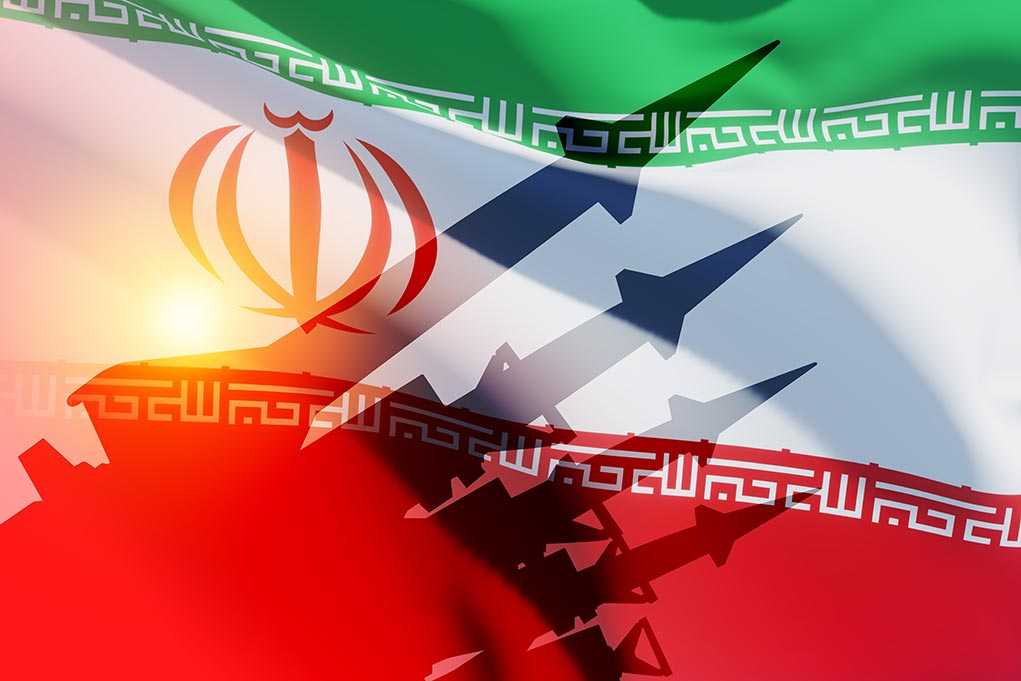
Poll Results: Do You Believe the U.S. Strikes Successfully Halted Iran’s Nuclear Program?

Poll Results

YES: 91% | NO: 9%

In this foreign policy survey, we asked readers:

“Do you believe the U.S. strikes successfully halted Iran’s nuclear program?”

This question comes after a recent and dramatic escalation in U.S. military engagement with Iran, following intelligence reports of increased nuclear activity. The strikes — launched in coordination with regional allies — targeted known nuclear development and military infrastructure. Officials claimed the mission was a preemptive measure to deter Iran’s nuclear ambitions.

Here’s how voters responded:

  • Yes: The Strikes Were Successful   91%
  • No:  Strikes Were Not Successful   9%

Why This Question Matters

Iran’s nuclear capabilities have been at the center of U.S. foreign policy for over two decades. Critics of past diplomatic efforts claim Iran has continually advanced its program despite sanctions and agreements. The recent U.S. strikes represent a significant military intervention aimed at rolling back that progress — but whether it worked remains a point of debate.

Arguments from Those Who Said “No – The Program Continues”

  • Iran Has Rebuilt Before:
    Critics argue that Iran has a long history of recovering quickly from setbacks. Even if some infrastructure was damaged, the expertise and intent remain intact.
  • Lack of Verified Evidence:
    Respondents say there’s been no clear, independent confirmation that the strikes destroyed core nuclear facilities. Without proof, claims of “success” may be premature or political.
  • Motivates Retaliation, Not Compliance:
    Some believe military strikes only strengthen Iran’s resolve to pursue nuclear weapons in secret — as a deterrent against future attacks.
  • Underground and Dispersed Assets:
    Iran has reportedly hardened and hidden key elements of its nuclear program, making it unlikely that strikes alone could permanently halt progress.
  • Temporary Setback at Best:
    Even if successful in the short term, many believe the strikes will at most delay — not end — Iran’s nuclear ambitions.

Arguments from Those Who Said “Yes – The Strikes Were Effective”

  • Clear Message Delivered:
    Supporters argue the strikes sent a powerful message: the U.S. will not allow Iran to cross a nuclear threshold without consequences.
  • Military Precision and Intelligence:
    Pentagon sources claim the strikes were guided by fresh intelligence and effectively hit their intended targets — reportedly disabling centrifuge operations and uranium enrichment facilities.
  • Prevention Through Force:
    Some voters feel that diplomatic efforts have repeatedly failed, and that decisive military action is the only language Iran respects.
  • Stabilizing Regional Alliances:
    Proponents say the strike reassured allies like Israel, Saudi Arabia, and Jordan, who have long feared unchecked Iranian nuclear development.
  • Delays Can Still Save Lives:
    Even a delay of months or years in nuclear progress is seen by some as worthwhile — buying time for new diplomatic or strategic approaches.

Conclusion

According to this poll, a majority of respondents believe the U.S. strikes did not successfully halt Iran’s nuclear program. While many support the show of force, skepticism remains about whether military action alone can stop a decades-old ambition.

As tensions in the region continue, the long-term effectiveness of this strike — and the potential for escalation — remain key questions facing the U.S. and its allies.

Poll Results: Do You Believe the U.S. Strikes Successfully Halted Iran’s Nuclear Program?

Poll Results

YES: 91% | NO: 9%

In this foreign policy survey, we asked readers:

“Do you believe the U.S. strikes successfully halted Iran’s nuclear program?”

This question comes after a recent and dramatic escalation in U.S. military engagement with Iran, following intelligence reports of increased nuclear activity. The strikes — launched in coordination with regional allies — targeted known nuclear development and military infrastructure. Officials claimed the mission was a preemptive measure to deter Iran’s nuclear ambitions.

Here’s how voters responded:

  • Yes: The Strikes Were Successful   91%
  • No:  Strikes Were Not Successful   9%

Why This Question Matters

Iran’s nuclear capabilities have been at the center of U.S. foreign policy for over two decades. Critics of past diplomatic efforts claim Iran has continually advanced its program despite sanctions and agreements. The recent U.S. strikes represent a significant military intervention aimed at rolling back that progress — but whether it worked remains a point of debate.

Arguments from Those Who Said “No – The Program Continues”

  • Iran Has Rebuilt Before:
    Critics argue that Iran has a long history of recovering quickly from setbacks. Even if some infrastructure was damaged, the expertise and intent remain intact.
  • Lack of Verified Evidence:
    Respondents say there’s been no clear, independent confirmation that the strikes destroyed core nuclear facilities. Without proof, claims of “success” may be premature or political.
  • Motivates Retaliation, Not Compliance:
    Some believe military strikes only strengthen Iran’s resolve to pursue nuclear weapons in secret — as a deterrent against future attacks.
  • Underground and Dispersed Assets:
    Iran has reportedly hardened and hidden key elements of its nuclear program, making it unlikely that strikes alone could permanently halt progress.
  • Temporary Setback at Best:
    Even if successful in the short term, many believe the strikes will at most delay — not end — Iran’s nuclear ambitions.

Arguments from Those Who Said “Yes – The Strikes Were Effective”

  • Clear Message Delivered:
    Supporters argue the strikes sent a powerful message: the U.S. will not allow Iran to cross a nuclear threshold without consequences.
  • Military Precision and Intelligence:
    Pentagon sources claim the strikes were guided by fresh intelligence and effectively hit their intended targets — reportedly disabling centrifuge operations and uranium enrichment facilities.
  • Prevention Through Force:
    Some voters feel that diplomatic efforts have repeatedly failed, and that decisive military action is the only language Iran respects.
  • Stabilizing Regional Alliances:
    Proponents say the strike reassured allies like Israel, Saudi Arabia, and Jordan, who have long feared unchecked Iranian nuclear development.
  • Delays Can Still Save Lives:
    Even a delay of months or years in nuclear progress is seen by some as worthwhile — buying time for new diplomatic or strategic approaches.

Conclusion

According to this poll, a majority of respondents believe the U.S. strikes did not successfully halt Iran’s nuclear program. While many support the show of force, skepticism remains about whether military action alone can stop a decades-old ambition.

As tensions in the region continue, the long-term effectiveness of this strike — and the potential for escalation — remain key questions facing the U.S. and its allies.

Poll Results: Do You Believe the U.S. Strikes Successfully Halted Iran’s Nuclear Program?

Poll Results

YES: 91% | NO: 9%

In this foreign policy survey, we asked readers:

“Do you believe the U.S. strikes successfully halted Iran’s nuclear program?”

This question comes after a recent and dramatic escalation in U.S. military engagement with Iran, following intelligence reports of increased nuclear activity. The strikes — launched in coordination with regional allies — targeted known nuclear development and military infrastructure. Officials claimed the mission was a preemptive measure to deter Iran’s nuclear ambitions.

Here’s how voters responded:

  • Yes: The Strikes Were Successful   91%
  • No:  Strikes Were Not Successful   9%

Why This Question Matters

Iran’s nuclear capabilities have been at the center of U.S. foreign policy for over two decades. Critics of past diplomatic efforts claim Iran has continually advanced its program despite sanctions and agreements. The recent U.S. strikes represent a significant military intervention aimed at rolling back that progress — but whether it worked remains a point of debate.

Arguments from Those Who Said “No – The Program Continues”

  • Iran Has Rebuilt Before:
    Critics argue that Iran has a long history of recovering quickly from setbacks. Even if some infrastructure was damaged, the expertise and intent remain intact.
  • Lack of Verified Evidence:
    Respondents say there’s been no clear, independent confirmation that the strikes destroyed core nuclear facilities. Without proof, claims of “success” may be premature or political.
  • Motivates Retaliation, Not Compliance:
    Some believe military strikes only strengthen Iran’s resolve to pursue nuclear weapons in secret — as a deterrent against future attacks.
  • Underground and Dispersed Assets:
    Iran has reportedly hardened and hidden key elements of its nuclear program, making it unlikely that strikes alone could permanently halt progress.
  • Temporary Setback at Best:
    Even if successful in the short term, many believe the strikes will at most delay — not end — Iran’s nuclear ambitions.

Arguments from Those Who Said “Yes – The Strikes Were Effective”

  • Clear Message Delivered:
    Supporters argue the strikes sent a powerful message: the U.S. will not allow Iran to cross a nuclear threshold without consequences.
  • Military Precision and Intelligence:
    Pentagon sources claim the strikes were guided by fresh intelligence and effectively hit their intended targets — reportedly disabling centrifuge operations and uranium enrichment facilities.
  • Prevention Through Force:
    Some voters feel that diplomatic efforts have repeatedly failed, and that decisive military action is the only language Iran respects.
  • Stabilizing Regional Alliances:
    Proponents say the strike reassured allies like Israel, Saudi Arabia, and Jordan, who have long feared unchecked Iranian nuclear development.
  • Delays Can Still Save Lives:
    Even a delay of months or years in nuclear progress is seen by some as worthwhile — buying time for new diplomatic or strategic approaches.

Conclusion

According to this poll, a majority of respondents believe the U.S. strikes did not successfully halt Iran’s nuclear program. While many support the show of force, skepticism remains about whether military action alone can stop a decades-old ambition.

As tensions in the region continue, the long-term effectiveness of this strike — and the potential for escalation — remain key questions facing the U.S. and its allies.

Poll Results: Do You Believe the U.S. Strikes Successfully Halted Iran’s Nuclear Program?

Poll Results

YES: 91% | NO: 9%

In this foreign policy survey, we asked readers:

“Do you believe the U.S. strikes successfully halted Iran’s nuclear program?”

This question comes after a recent and dramatic escalation in U.S. military engagement with Iran, following intelligence reports of increased nuclear activity. The strikes — launched in coordination with regional allies — targeted known nuclear development and military infrastructure. Officials claimed the mission was a preemptive measure to deter Iran’s nuclear ambitions.

Here’s how voters responded:

  • Yes: The Strikes Were Successful   91%
  • No:  Strikes Were Not Successful   9%

Why This Question Matters

Iran’s nuclear capabilities have been at the center of U.S. foreign policy for over two decades. Critics of past diplomatic efforts claim Iran has continually advanced its program despite sanctions and agreements. The recent U.S. strikes represent a significant military intervention aimed at rolling back that progress — but whether it worked remains a point of debate.

Arguments from Those Who Said “No – The Program Continues”

  • Iran Has Rebuilt Before:
    Critics argue that Iran has a long history of recovering quickly from setbacks. Even if some infrastructure was damaged, the expertise and intent remain intact.
  • Lack of Verified Evidence:
    Respondents say there’s been no clear, independent confirmation that the strikes destroyed core nuclear facilities. Without proof, claims of “success” may be premature or political.
  • Motivates Retaliation, Not Compliance:
    Some believe military strikes only strengthen Iran’s resolve to pursue nuclear weapons in secret — as a deterrent against future attacks.
  • Underground and Dispersed Assets:
    Iran has reportedly hardened and hidden key elements of its nuclear program, making it unlikely that strikes alone could permanently halt progress.
  • Temporary Setback at Best:
    Even if successful in the short term, many believe the strikes will at most delay — not end — Iran’s nuclear ambitions.

Arguments from Those Who Said “Yes – The Strikes Were Effective”

  • Clear Message Delivered:
    Supporters argue the strikes sent a powerful message: the U.S. will not allow Iran to cross a nuclear threshold without consequences.
  • Military Precision and Intelligence:
    Pentagon sources claim the strikes were guided by fresh intelligence and effectively hit their intended targets — reportedly disabling centrifuge operations and uranium enrichment facilities.
  • Prevention Through Force:
    Some voters feel that diplomatic efforts have repeatedly failed, and that decisive military action is the only language Iran respects.
  • Stabilizing Regional Alliances:
    Proponents say the strike reassured allies like Israel, Saudi Arabia, and Jordan, who have long feared unchecked Iranian nuclear development.
  • Delays Can Still Save Lives:
    Even a delay of months or years in nuclear progress is seen by some as worthwhile — buying time for new diplomatic or strategic approaches.

Conclusion

According to this poll, a majority of respondents believe the U.S. strikes did not successfully halt Iran’s nuclear program. While many support the show of force, skepticism remains about whether military action alone can stop a decades-old ambition.

As tensions in the region continue, the long-term effectiveness of this strike — and the potential for escalation — remain key questions facing the U.S. and its allies.

Poll Results: Do You Believe the U.S. Strikes Successfully Halted Iran’s Nuclear Program?

Poll Results

YES: 91% | NO: 9%

In this foreign policy survey, we asked readers:

“Do you believe the U.S. strikes successfully halted Iran’s nuclear program?”

This question comes after a recent and dramatic escalation in U.S. military engagement with Iran, following intelligence reports of increased nuclear activity. The strikes — launched in coordination with regional allies — targeted known nuclear development and military infrastructure. Officials claimed the mission was a preemptive measure to deter Iran’s nuclear ambitions.

Here’s how voters responded:

  • Yes: The Strikes Were Successful   91%
  • No:  Strikes Were Not Successful   9%

Why This Question Matters

Iran’s nuclear capabilities have been at the center of U.S. foreign policy for over two decades. Critics of past diplomatic efforts claim Iran has continually advanced its program despite sanctions and agreements. The recent U.S. strikes represent a significant military intervention aimed at rolling back that progress — but whether it worked remains a point of debate.

Arguments from Those Who Said “No – The Program Continues”

  • Iran Has Rebuilt Before:
    Critics argue that Iran has a long history of recovering quickly from setbacks. Even if some infrastructure was damaged, the expertise and intent remain intact.
  • Lack of Verified Evidence:
    Respondents say there’s been no clear, independent confirmation that the strikes destroyed core nuclear facilities. Without proof, claims of “success” may be premature or political.
  • Motivates Retaliation, Not Compliance:
    Some believe military strikes only strengthen Iran’s resolve to pursue nuclear weapons in secret — as a deterrent against future attacks.
  • Underground and Dispersed Assets:
    Iran has reportedly hardened and hidden key elements of its nuclear program, making it unlikely that strikes alone could permanently halt progress.
  • Temporary Setback at Best:
    Even if successful in the short term, many believe the strikes will at most delay — not end — Iran’s nuclear ambitions.

Arguments from Those Who Said “Yes – The Strikes Were Effective”

  • Clear Message Delivered:
    Supporters argue the strikes sent a powerful message: the U.S. will not allow Iran to cross a nuclear threshold without consequences.
  • Military Precision and Intelligence:
    Pentagon sources claim the strikes were guided by fresh intelligence and effectively hit their intended targets — reportedly disabling centrifuge operations and uranium enrichment facilities.
  • Prevention Through Force:
    Some voters feel that diplomatic efforts have repeatedly failed, and that decisive military action is the only language Iran respects.
  • Stabilizing Regional Alliances:
    Proponents say the strike reassured allies like Israel, Saudi Arabia, and Jordan, who have long feared unchecked Iranian nuclear development.
  • Delays Can Still Save Lives:
    Even a delay of months or years in nuclear progress is seen by some as worthwhile — buying time for new diplomatic or strategic approaches.

Conclusion

According to this poll, a majority of respondents believe the U.S. strikes did not successfully halt Iran’s nuclear program. While many support the show of force, skepticism remains about whether military action alone can stop a decades-old ambition.

As tensions in the region continue, the long-term effectiveness of this strike — and the potential for escalation — remain key questions facing the U.S. and its allies.

Poll Results: Do You Believe the U.S. Strikes Successfully Halted Iran’s Nuclear Program?

Poll Results

YES: 91% | NO: 9%

In this foreign policy survey, we asked readers:

“Do you believe the U.S. strikes successfully halted Iran’s nuclear program?”

This question comes after a recent and dramatic escalation in U.S. military engagement with Iran, following intelligence reports of increased nuclear activity. The strikes — launched in coordination with regional allies — targeted known nuclear development and military infrastructure. Officials claimed the mission was a preemptive measure to deter Iran’s nuclear ambitions.

Here’s how voters responded:

  • Yes: The Strikes Were Successful   91%
  • No:  Strikes Were Not Successful   9%

Why This Question Matters

Iran’s nuclear capabilities have been at the center of U.S. foreign policy for over two decades. Critics of past diplomatic efforts claim Iran has continually advanced its program despite sanctions and agreements. The recent U.S. strikes represent a significant military intervention aimed at rolling back that progress — but whether it worked remains a point of debate.

Arguments from Those Who Said “No – The Program Continues”

  • Iran Has Rebuilt Before:
    Critics argue that Iran has a long history of recovering quickly from setbacks. Even if some infrastructure was damaged, the expertise and intent remain intact.
  • Lack of Verified Evidence:
    Respondents say there’s been no clear, independent confirmation that the strikes destroyed core nuclear facilities. Without proof, claims of “success” may be premature or political.
  • Motivates Retaliation, Not Compliance:
    Some believe military strikes only strengthen Iran’s resolve to pursue nuclear weapons in secret — as a deterrent against future attacks.
  • Underground and Dispersed Assets:
    Iran has reportedly hardened and hidden key elements of its nuclear program, making it unlikely that strikes alone could permanently halt progress.
  • Temporary Setback at Best:
    Even if successful in the short term, many believe the strikes will at most delay — not end — Iran’s nuclear ambitions.

Arguments from Those Who Said “Yes – The Strikes Were Effective”

  • Clear Message Delivered:
    Supporters argue the strikes sent a powerful message: the U.S. will not allow Iran to cross a nuclear threshold without consequences.
  • Military Precision and Intelligence:
    Pentagon sources claim the strikes were guided by fresh intelligence and effectively hit their intended targets — reportedly disabling centrifuge operations and uranium enrichment facilities.
  • Prevention Through Force:
    Some voters feel that diplomatic efforts have repeatedly failed, and that decisive military action is the only language Iran respects.
  • Stabilizing Regional Alliances:
    Proponents say the strike reassured allies like Israel, Saudi Arabia, and Jordan, who have long feared unchecked Iranian nuclear development.
  • Delays Can Still Save Lives:
    Even a delay of months or years in nuclear progress is seen by some as worthwhile — buying time for new diplomatic or strategic approaches.

Conclusion

According to this poll, a majority of respondents believe the U.S. strikes did not successfully halt Iran’s nuclear program. While many support the show of force, skepticism remains about whether military action alone can stop a decades-old ambition.

As tensions in the region continue, the long-term effectiveness of this strike — and the potential for escalation — remain key questions facing the U.S. and its allies.

FeedsPress Template 4 (images without a height or width) Full Width

Poll Results: Do You Believe the U.S. Strikes Successfully Halted Iran’s Nuclear Program?

Poll Results

YES: 91% | NO: 9%

In this foreign policy survey, we asked readers:

“Do you believe the U.S. strikes successfully halted Iran’s nuclear program?”

This question comes after a recent and dramatic escalation in U.S. military engagement with Iran, following intelligence reports of increased nuclear activity. The strikes — launched in coordination with regional allies — targeted known nuclear development and military infrastructure. Officials claimed the mission was a preemptive measure to deter Iran’s nuclear ambitions.

Here’s how voters responded:

  • Yes: The Strikes Were Successful   91%
  • No:  Strikes Were Not Successful   9%

Why This Question Matters

Iran’s nuclear capabilities have been at the center of U.S. foreign policy for over two decades. Critics of past diplomatic efforts claim Iran has continually advanced its program despite sanctions and agreements. The recent U.S. strikes represent a significant military intervention aimed at rolling back that progress — but whether it worked remains a point of debate.

Arguments from Those Who Said “No – The Program Continues”

  • Iran Has Rebuilt Before:
    Critics argue that Iran has a long history of recovering quickly from setbacks. Even if some infrastructure was damaged, the expertise and intent remain intact.
  • Lack of Verified Evidence:
    Respondents say there’s been no clear, independent confirmation that the strikes destroyed core nuclear facilities. Without proof, claims of “success” may be premature or political.
  • Motivates Retaliation, Not Compliance:
    Some believe military strikes only strengthen Iran’s resolve to pursue nuclear weapons in secret — as a deterrent against future attacks.
  • Underground and Dispersed Assets:
    Iran has reportedly hardened and hidden key elements of its nuclear program, making it unlikely that strikes alone could permanently halt progress.
  • Temporary Setback at Best:
    Even if successful in the short term, many believe the strikes will at most delay — not end — Iran’s nuclear ambitions.

Arguments from Those Who Said “Yes – The Strikes Were Effective”

  • Clear Message Delivered:
    Supporters argue the strikes sent a powerful message: the U.S. will not allow Iran to cross a nuclear threshold without consequences.
  • Military Precision and Intelligence:
    Pentagon sources claim the strikes were guided by fresh intelligence and effectively hit their intended targets — reportedly disabling centrifuge operations and uranium enrichment facilities.
  • Prevention Through Force:
    Some voters feel that diplomatic efforts have repeatedly failed, and that decisive military action is the only language Iran respects.
  • Stabilizing Regional Alliances:
    Proponents say the strike reassured allies like Israel, Saudi Arabia, and Jordan, who have long feared unchecked Iranian nuclear development.
  • Delays Can Still Save Lives:
    Even a delay of months or years in nuclear progress is seen by some as worthwhile — buying time for new diplomatic or strategic approaches.

Conclusion

According to this poll, a majority of respondents believe the U.S. strikes did not successfully halt Iran’s nuclear program. While many support the show of force, skepticism remains about whether military action alone can stop a decades-old ambition.

As tensions in the region continue, the long-term effectiveness of this strike — and the potential for escalation — remain key questions facing the U.S. and its allies.

FeedsPress Template 6 (images without a height or width)

Poll Results: Do You Believe the U.S. Strikes Successfully Halted Iran’s Nuclear Program?

Poll Results

YES: 91% | NO: 9%

In this foreign policy survey, we asked readers:

“Do you believe the U.S. strikes successfully halted Iran’s nuclear program?”

This question comes after a recent and dramatic escalation in U.S. military engagement with Iran, following intelligence reports of increased nuclear activity. The strikes — launched in coordination with regional allies — targeted known nuclear development and military infrastructure. Officials claimed the mission was a preemptive measure to deter Iran’s nuclear ambitions.

Here’s how voters responded:

  • Yes: The Strikes Were Successful   91%
  • No:  Strikes Were Not Successful   9%

Why This Question Matters

Iran’s nuclear capabilities have been at the center of U.S. foreign policy for over two decades. Critics of past diplomatic efforts claim Iran has continually advanced its program despite sanctions and agreements. The recent U.S. strikes represent a significant military intervention aimed at rolling back that progress — but whether it worked remains a point of debate.

Arguments from Those Who Said “No – The Program Continues”

  • Iran Has Rebuilt Before:
    Critics argue that Iran has a long history of recovering quickly from setbacks. Even if some infrastructure was damaged, the expertise and intent remain intact.
  • Lack of Verified Evidence:
    Respondents say there’s been no clear, independent confirmation that the strikes destroyed core nuclear facilities. Without proof, claims of “success” may be premature or political.
  • Motivates Retaliation, Not Compliance:
    Some believe military strikes only strengthen Iran’s resolve to pursue nuclear weapons in secret — as a deterrent against future attacks.
  • Underground and Dispersed Assets:
    Iran has reportedly hardened and hidden key elements of its nuclear program, making it unlikely that strikes alone could permanently halt progress.
  • Temporary Setback at Best:
    Even if successful in the short term, many believe the strikes will at most delay — not end — Iran’s nuclear ambitions.

Arguments from Those Who Said “Yes – The Strikes Were Effective”

  • Clear Message Delivered:
    Supporters argue the strikes sent a powerful message: the U.S. will not allow Iran to cross a nuclear threshold without consequences.
  • Military Precision and Intelligence:
    Pentagon sources claim the strikes were guided by fresh intelligence and effectively hit their intended targets — reportedly disabling centrifuge operations and uranium enrichment facilities.
  • Prevention Through Force:
    Some voters feel that diplomatic efforts have repeatedly failed, and that decisive military action is the only language Iran respects.
  • Stabilizing Regional Alliances:
    Proponents say the strike reassured allies like Israel, Saudi Arabia, and Jordan, who have long feared unchecked Iranian nuclear development.
  • Delays Can Still Save Lives:
    Even a delay of months or years in nuclear progress is seen by some as worthwhile — buying time for new diplomatic or strategic approaches.

Conclusion

According to this poll, a majority of respondents believe the U.S. strikes did not successfully halt Iran’s nuclear program. While many support the show of force, skepticism remains about whether military action alone can stop a decades-old ambition.

As tensions in the region continue, the long-term effectiveness of this strike — and the potential for escalation — remain key questions facing the U.S. and its allies.
Poll Results: Do You Believe the U.S. Strikes Successfully Halted Iran’s Nuclear Program?

Poll Results

YES: 91% | NO: 9%

In this foreign policy survey, we asked readers:

“Do you believe the U.S. strikes successfully halted Iran’s nuclear program?”

This question comes after a recent and dramatic escalation in U.S. military engagement with Iran, following intelligence reports of increased nuclear activity. The strikes — launched in coordination with regional allies — targeted known nuclear development and military infrastructure. Officials claimed the mission was a preemptive measure to deter Iran’s nuclear ambitions.

Here’s how voters responded:

  • Yes: The Strikes Were Successful   91%
  • No:  Strikes Were Not Successful   9%

Why This Question Matters

Iran’s nuclear capabilities have been at the center of U.S. foreign policy for over two decades. Critics of past diplomatic efforts claim Iran has continually advanced its program despite sanctions and agreements. The recent U.S. strikes represent a significant military intervention aimed at rolling back that progress — but whether it worked remains a point of debate.

Arguments from Those Who Said “No – The Program Continues”

  • Iran Has Rebuilt Before:
    Critics argue that Iran has a long history of recovering quickly from setbacks. Even if some infrastructure was damaged, the expertise and intent remain intact.
  • Lack of Verified Evidence:
    Respondents say there’s been no clear, independent confirmation that the strikes destroyed core nuclear facilities. Without proof, claims of “success” may be premature or political.
  • Motivates Retaliation, Not Compliance:
    Some believe military strikes only strengthen Iran’s resolve to pursue nuclear weapons in secret — as a deterrent against future attacks.
  • Underground and Dispersed Assets:
    Iran has reportedly hardened and hidden key elements of its nuclear program, making it unlikely that strikes alone could permanently halt progress.
  • Temporary Setback at Best:
    Even if successful in the short term, many believe the strikes will at most delay — not end — Iran’s nuclear ambitions.

Arguments from Those Who Said “Yes – The Strikes Were Effective”

  • Clear Message Delivered:
    Supporters argue the strikes sent a powerful message: the U.S. will not allow Iran to cross a nuclear threshold without consequences.
  • Military Precision and Intelligence:
    Pentagon sources claim the strikes were guided by fresh intelligence and effectively hit their intended targets — reportedly disabling centrifuge operations and uranium enrichment facilities.
  • Prevention Through Force:
    Some voters feel that diplomatic efforts have repeatedly failed, and that decisive military action is the only language Iran respects.
  • Stabilizing Regional Alliances:
    Proponents say the strike reassured allies like Israel, Saudi Arabia, and Jordan, who have long feared unchecked Iranian nuclear development.
  • Delays Can Still Save Lives:
    Even a delay of months or years in nuclear progress is seen by some as worthwhile — buying time for new diplomatic or strategic approaches.

Conclusion

According to this poll, a majority of respondents believe the U.S. strikes did not successfully halt Iran’s nuclear program. While many support the show of force, skepticism remains about whether military action alone can stop a decades-old ambition.

As tensions in the region continue, the long-term effectiveness of this strike — and the potential for escalation — remain key questions facing the U.S. and its allies.
Poll Results: Do You Believe the U.S. Strikes Successfully Halted Iran’s Nuclear Program?

Poll Results

YES: 91% | NO: 9%

In this foreign policy survey, we asked readers:

“Do you believe the U.S. strikes successfully halted Iran’s nuclear program?”

This question comes after a recent and dramatic escalation in U.S. military engagement with Iran, following intelligence reports of increased nuclear activity. The strikes — launched in coordination with regional allies — targeted known nuclear development and military infrastructure. Officials claimed the mission was a preemptive measure to deter Iran’s nuclear ambitions.

Here’s how voters responded:

  • Yes: The Strikes Were Successful   91%
  • No:  Strikes Were Not Successful   9%

Why This Question Matters

Iran’s nuclear capabilities have been at the center of U.S. foreign policy for over two decades. Critics of past diplomatic efforts claim Iran has continually advanced its program despite sanctions and agreements. The recent U.S. strikes represent a significant military intervention aimed at rolling back that progress — but whether it worked remains a point of debate.

Arguments from Those Who Said “No – The Program Continues”

  • Iran Has Rebuilt Before:
    Critics argue that Iran has a long history of recovering quickly from setbacks. Even if some infrastructure was damaged, the expertise and intent remain intact.
  • Lack of Verified Evidence:
    Respondents say there’s been no clear, independent confirmation that the strikes destroyed core nuclear facilities. Without proof, claims of “success” may be premature or political.
  • Motivates Retaliation, Not Compliance:
    Some believe military strikes only strengthen Iran’s resolve to pursue nuclear weapons in secret — as a deterrent against future attacks.
  • Underground and Dispersed Assets:
    Iran has reportedly hardened and hidden key elements of its nuclear program, making it unlikely that strikes alone could permanently halt progress.
  • Temporary Setback at Best:
    Even if successful in the short term, many believe the strikes will at most delay — not end — Iran’s nuclear ambitions.

Arguments from Those Who Said “Yes – The Strikes Were Effective”

  • Clear Message Delivered:
    Supporters argue the strikes sent a powerful message: the U.S. will not allow Iran to cross a nuclear threshold without consequences.
  • Military Precision and Intelligence:
    Pentagon sources claim the strikes were guided by fresh intelligence and effectively hit their intended targets — reportedly disabling centrifuge operations and uranium enrichment facilities.
  • Prevention Through Force:
    Some voters feel that diplomatic efforts have repeatedly failed, and that decisive military action is the only language Iran respects.
  • Stabilizing Regional Alliances:
    Proponents say the strike reassured allies like Israel, Saudi Arabia, and Jordan, who have long feared unchecked Iranian nuclear development.
  • Delays Can Still Save Lives:
    Even a delay of months or years in nuclear progress is seen by some as worthwhile — buying time for new diplomatic or strategic approaches.

Conclusion

According to this poll, a majority of respondents believe the U.S. strikes did not successfully halt Iran’s nuclear program. While many support the show of force, skepticism remains about whether military action alone can stop a decades-old ambition.

As tensions in the region continue, the long-term effectiveness of this strike — and the potential for escalation — remain key questions facing the U.S. and its allies.

Poll Results: Do You Believe the U.S. Strikes Successfully Halted Iran’s Nuclear Program?

Poll Results

YES: 91% | NO: 9%

In this foreign policy survey, we asked readers:

“Do you believe the U.S. strikes successfully halted Iran’s nuclear program?”

This question comes after a recent and dramatic escalation in U.S. military engagement with Iran, following intelligence reports of increased nuclear activity. The strikes — launched in coordination with regional allies — targeted known nuclear development and military infrastructure. Officials claimed the mission was a preemptive measure to deter Iran’s nuclear ambitions.

Here’s how voters responded:

  • Yes: The Strikes Were Successful   91%
  • No:  Strikes Were Not Successful   9%

Why This Question Matters

Iran’s nuclear capabilities have been at the center of U.S. foreign policy for over two decades. Critics of past diplomatic efforts claim Iran has continually advanced its program despite sanctions and agreements. The recent U.S. strikes represent a significant military intervention aimed at rolling back that progress — but whether it worked remains a point of debate.

Arguments from Those Who Said “No – The Program Continues”

  • Iran Has Rebuilt Before:
    Critics argue that Iran has a long history of recovering quickly from setbacks. Even if some infrastructure was damaged, the expertise and intent remain intact.
  • Lack of Verified Evidence:
    Respondents say there’s been no clear, independent confirmation that the strikes destroyed core nuclear facilities. Without proof, claims of “success” may be premature or political.
  • Motivates Retaliation, Not Compliance:
    Some believe military strikes only strengthen Iran’s resolve to pursue nuclear weapons in secret — as a deterrent against future attacks.
  • Underground and Dispersed Assets:
    Iran has reportedly hardened and hidden key elements of its nuclear program, making it unlikely that strikes alone could permanently halt progress.
  • Temporary Setback at Best:
    Even if successful in the short term, many believe the strikes will at most delay — not end — Iran’s nuclear ambitions.

Arguments from Those Who Said “Yes – The Strikes Were Effective”

  • Clear Message Delivered:
    Supporters argue the strikes sent a powerful message: the U.S. will not allow Iran to cross a nuclear threshold without consequences.
  • Military Precision and Intelligence:
    Pentagon sources claim the strikes were guided by fresh intelligence and effectively hit their intended targets — reportedly disabling centrifuge operations and uranium enrichment facilities.
  • Prevention Through Force:
    Some voters feel that diplomatic efforts have repeatedly failed, and that decisive military action is the only language Iran respects.
  • Stabilizing Regional Alliances:
    Proponents say the strike reassured allies like Israel, Saudi Arabia, and Jordan, who have long feared unchecked Iranian nuclear development.
  • Delays Can Still Save Lives:
    Even a delay of months or years in nuclear progress is seen by some as worthwhile — buying time for new diplomatic or strategic approaches.

Conclusion

According to this poll, a majority of respondents believe the U.S. strikes did not successfully halt Iran’s nuclear program. While many support the show of force, skepticism remains about whether military action alone can stop a decades-old ambition.

As tensions in the region continue, the long-term effectiveness of this strike — and the potential for escalation — remain key questions facing the U.S. and its allies.

Poll Results: Do You Believe the U.S. Strikes Successfully Halted Iran’s Nuclear Program?

Poll Results

YES: 91% | NO: 9%

In this foreign policy survey, we asked readers:

“Do you believe the U.S. strikes successfully halted Iran’s nuclear program?”

This question comes after a recent and dramatic escalation in U.S. military engagement with Iran, following intelligence reports of increased nuclear activity. The strikes — launched in coordination with regional allies — targeted known nuclear development and military infrastructure. Officials claimed the mission was a preemptive measure to deter Iran’s nuclear ambitions.

Here’s how voters responded:

  • Yes: The Strikes Were Successful   91%
  • No:  Strikes Were Not Successful   9%

Why This Question Matters

Iran’s nuclear capabilities have been at the center of U.S. foreign policy for over two decades. Critics of past diplomatic efforts claim Iran has continually advanced its program despite sanctions and agreements. The recent U.S. strikes represent a significant military intervention aimed at rolling back that progress — but whether it worked remains a point of debate.

Arguments from Those Who Said “No – The Program Continues”

  • Iran Has Rebuilt Before:
    Critics argue that Iran has a long history of recovering quickly from setbacks. Even if some infrastructure was damaged, the expertise and intent remain intact.
  • Lack of Verified Evidence:
    Respondents say there’s been no clear, independent confirmation that the strikes destroyed core nuclear facilities. Without proof, claims of “success” may be premature or political.
  • Motivates Retaliation, Not Compliance:
    Some believe military strikes only strengthen Iran’s resolve to pursue nuclear weapons in secret — as a deterrent against future attacks.
  • Underground and Dispersed Assets:
    Iran has reportedly hardened and hidden key elements of its nuclear program, making it unlikely that strikes alone could permanently halt progress.
  • Temporary Setback at Best:
    Even if successful in the short term, many believe the strikes will at most delay — not end — Iran’s nuclear ambitions.

Arguments from Those Who Said “Yes – The Strikes Were Effective”

  • Clear Message Delivered:
    Supporters argue the strikes sent a powerful message: the U.S. will not allow Iran to cross a nuclear threshold without consequences.
  • Military Precision and Intelligence:
    Pentagon sources claim the strikes were guided by fresh intelligence and effectively hit their intended targets — reportedly disabling centrifuge operations and uranium enrichment facilities.
  • Prevention Through Force:
    Some voters feel that diplomatic efforts have repeatedly failed, and that decisive military action is the only language Iran respects.
  • Stabilizing Regional Alliances:
    Proponents say the strike reassured allies like Israel, Saudi Arabia, and Jordan, who have long feared unchecked Iranian nuclear development.
  • Delays Can Still Save Lives:
    Even a delay of months or years in nuclear progress is seen by some as worthwhile — buying time for new diplomatic or strategic approaches.

Conclusion

According to this poll, a majority of respondents believe the U.S. strikes did not successfully halt Iran’s nuclear program. While many support the show of force, skepticism remains about whether military action alone can stop a decades-old ambition.

As tensions in the region continue, the long-term effectiveness of this strike — and the potential for escalation — remain key questions facing the U.S. and its allies.
Poll Results: Do You Believe the U.S. Strikes Successfully Halted Iran’s Nuclear Program?

Poll Results

YES: 91% | NO: 9%

In this foreign policy survey, we asked readers:

“Do you believe the U.S. strikes successfully halted Iran’s nuclear program?”

This question comes after a recent and dramatic escalation in U.S. military engagement with Iran, following intelligence reports of increased nuclear activity. The strikes — launched in coordination with regional allies — targeted known nuclear development and military infrastructure. Officials claimed the mission was a preemptive measure to deter Iran’s nuclear ambitions.

Here’s how voters responded:

  • Yes: The Strikes Were Successful   91%
  • No:  Strikes Were Not Successful   9%

Why This Question Matters

Iran’s nuclear capabilities have been at the center of U.S. foreign policy for over two decades. Critics of past diplomatic efforts claim Iran has continually advanced its program despite sanctions and agreements. The recent U.S. strikes represent a significant military intervention aimed at rolling back that progress — but whether it worked remains a point of debate.

Arguments from Those Who Said “No – The Program Continues”

  • Iran Has Rebuilt Before:
    Critics argue that Iran has a long history of recovering quickly from setbacks. Even if some infrastructure was damaged, the expertise and intent remain intact.
  • Lack of Verified Evidence:
    Respondents say there’s been no clear, independent confirmation that the strikes destroyed core nuclear facilities. Without proof, claims of “success” may be premature or political.
  • Motivates Retaliation, Not Compliance:
    Some believe military strikes only strengthen Iran’s resolve to pursue nuclear weapons in secret — as a deterrent against future attacks.
  • Underground and Dispersed Assets:
    Iran has reportedly hardened and hidden key elements of its nuclear program, making it unlikely that strikes alone could permanently halt progress.
  • Temporary Setback at Best:
    Even if successful in the short term, many believe the strikes will at most delay — not end — Iran’s nuclear ambitions.

Arguments from Those Who Said “Yes – The Strikes Were Effective”

  • Clear Message Delivered:
    Supporters argue the strikes sent a powerful message: the U.S. will not allow Iran to cross a nuclear threshold without consequences.
  • Military Precision and Intelligence:
    Pentagon sources claim the strikes were guided by fresh intelligence and effectively hit their intended targets — reportedly disabling centrifuge operations and uranium enrichment facilities.
  • Prevention Through Force:
    Some voters feel that diplomatic efforts have repeatedly failed, and that decisive military action is the only language Iran respects.
  • Stabilizing Regional Alliances:
    Proponents say the strike reassured allies like Israel, Saudi Arabia, and Jordan, who have long feared unchecked Iranian nuclear development.
  • Delays Can Still Save Lives:
    Even a delay of months or years in nuclear progress is seen by some as worthwhile — buying time for new diplomatic or strategic approaches.

Conclusion

According to this poll, a majority of respondents believe the U.S. strikes did not successfully halt Iran’s nuclear program. While many support the show of force, skepticism remains about whether military action alone can stop a decades-old ambition.

As tensions in the region continue, the long-term effectiveness of this strike — and the potential for escalation — remain key questions facing the U.S. and its allies.

FeedsPress Template 6 (images without a height or width) Full Width

Poll Results: Do You Believe the U.S. Strikes Successfully Halted Iran’s Nuclear Program?

Poll Results

YES: 91% | NO: 9%

In this foreign policy survey, we asked readers:

“Do you believe the U.S. strikes successfully halted Iran’s nuclear program?”

This question comes after a recent and dramatic escalation in U.S. military engagement with Iran, following intelligence reports of increased nuclear activity. The strikes — launched in coordination with regional allies — targeted known nuclear development and military infrastructure. Officials claimed the mission was a preemptive measure to deter Iran’s nuclear ambitions.

Here’s how voters responded:

  • Yes: The Strikes Were Successful   91%
  • No:  Strikes Were Not Successful   9%

Why This Question Matters

Iran’s nuclear capabilities have been at the center of U.S. foreign policy for over two decades. Critics of past diplomatic efforts claim Iran has continually advanced its program despite sanctions and agreements. The recent U.S. strikes represent a significant military intervention aimed at rolling back that progress — but whether it worked remains a point of debate.

Arguments from Those Who Said “No – The Program Continues”

  • Iran Has Rebuilt Before:
    Critics argue that Iran has a long history of recovering quickly from setbacks. Even if some infrastructure was damaged, the expertise and intent remain intact.
  • Lack of Verified Evidence:
    Respondents say there’s been no clear, independent confirmation that the strikes destroyed core nuclear facilities. Without proof, claims of “success” may be premature or political.
  • Motivates Retaliation, Not Compliance:
    Some believe military strikes only strengthen Iran’s resolve to pursue nuclear weapons in secret — as a deterrent against future attacks.
  • Underground and Dispersed Assets:
    Iran has reportedly hardened and hidden key elements of its nuclear program, making it unlikely that strikes alone could permanently halt progress.
  • Temporary Setback at Best:
    Even if successful in the short term, many believe the strikes will at most delay — not end — Iran’s nuclear ambitions.

Arguments from Those Who Said “Yes – The Strikes Were Effective”

  • Clear Message Delivered:
    Supporters argue the strikes sent a powerful message: the U.S. will not allow Iran to cross a nuclear threshold without consequences.
  • Military Precision and Intelligence:
    Pentagon sources claim the strikes were guided by fresh intelligence and effectively hit their intended targets — reportedly disabling centrifuge operations and uranium enrichment facilities.
  • Prevention Through Force:
    Some voters feel that diplomatic efforts have repeatedly failed, and that decisive military action is the only language Iran respects.
  • Stabilizing Regional Alliances:
    Proponents say the strike reassured allies like Israel, Saudi Arabia, and Jordan, who have long feared unchecked Iranian nuclear development.
  • Delays Can Still Save Lives:
    Even a delay of months or years in nuclear progress is seen by some as worthwhile — buying time for new diplomatic or strategic approaches.

Conclusion

According to this poll, a majority of respondents believe the U.S. strikes did not successfully halt Iran’s nuclear program. While many support the show of force, skepticism remains about whether military action alone can stop a decades-old ambition.

As tensions in the region continue, the long-term effectiveness of this strike — and the potential for escalation — remain key questions facing the U.S. and its allies.

Template 5 (Fortune Cookies)

OUSTED President is CRYING FOUL — Look WHO He’s Blaming!

Template 6 (3 and 5 posts)

Template 7

OUSTED President is CRYING FOUL — Look WHO He’s Blaming!

Hand showing thumbs down gesture, dark background.
When a sitting president blames a foreign ally for “rigging” his ally’s election loss, it hits every nerve in a world already convin ...Read More

Map Wars Backfire — California’s TWIST

Vote Here sign with arrow and American flag.
California Democrats drew a map to flip House seats, but the first results show how easily redistricting can collide with candidate ...Read More

DESPICABLE — BIDEN JUDGE Kneecaps Trump

A red sticky note with the word 'No!' written in black ink
A Biden-appointed judge just blocked the Trump administration from tying billions in food aid to state cooperation on data-sharing a ...Read More

Justice TWIST Shuts Church Case

Street with church, parked cars, and trees.
When video shows a church service shut down by chanting protesters but Minnesota prosecutors still say “no evidence,” it feeds the g ...Read More

Canada Kills 26-Year-Old for Blindness

Hands touching an urn surrounded by yellow roses.
Canada euthanized a 26-year-old man for partial blindness and diabetes, exposing a deadly loophole that threatens vulnerable lives a ...Read More

Template 8

OUSTED President is CRYING FOUL — Look WHO He’s Blaming!

Hand showing thumbs down gesture, dark background.
When a sitting president blames a foreign ally for “rigging” his ally’s election loss, it hits every nerve in a world already convin ...Read More

Map Wars Backfire — California’s TWIST

Vote Here sign with arrow and American flag.
California Democrats drew a map to flip House seats, but the first results show how easily redistricting can collide with candidate ...Read More

DESPICABLE — BIDEN JUDGE Kneecaps Trump

A red sticky note with the word 'No!' written in black ink
A Biden-appointed judge just blocked the Trump administration from tying billions in food aid to state cooperation on data-sharing a ...Read More

Special Characters Test

Special Characters Test

" " Quotation Mark
& & & Ampersand
/ / / Slash
&#60; &lt; < Less Than Sign
&#62; &gt; > Greater Than Sign
&#130; &sbquo; Single Low-9 Quote
&#132; &bdquo; Double Low-9 Quote
&#8212; &mdash; Em dash
&#8212; &ndash; En dash
&#137; &permil; Per Mill Sign
&#139; &lsaquo; Single Left Angle Quote
&#145; &lsquo; Left Single Quote
&#146; &rsquo; Right Single Quote
&#147; &ldquo; Left Double Quote
&#148; &rdquo; Right Double Quote
&#153; &trade; ™ Trademark Symbol
&#155; &rsaquo; Single Right Angle Quote
&#160; &nbsp; Non Breaking Space
&#161; &iexcl; ¡ Inverted Exclamation Point
&#162; &cent; ¢ Cent Sign
&#163; &pound; £ Pound Sterling
&#164; &curren; ¤ General Currency Sign
&#165; &yen; ¥ Yen Sign
&#166; &brvbar; ¦ Broken Vertical Bar
&#167; &sect; § Section Sign
&#168; &uml; ¨ Umlaut (Dieresis)
&#169; &copy; © Copyright Symbol
&#170; &ordf; ª Feminine Ordinal
&#171; &laquo; « Left Angle Quote, Left Guillemet
&#172; &not; ¬ Not Sign
&#173; &shy; ­­ Soft Hyphen
&#174; &reg; ® Registered Trademark
&#175; &macr; ¯ Macron, Overline
&#177; &plusmn; ± Plus or Minus
&#178; &sup2; ² Superscript Two
&#179; &sup3; ³ Superscript Three
&#180; &acute; ´ Acute Accent
&#186; &ordm; º Masculine Ordinal
&#187; &raquo; » Right Angle Quote, Right Guillemet
&#8226; &bull; Bullet / Black Small Circle
&#8230; &hellip; Horizontal Ellipsis
&#8242; &prime; Prime / Minutes / Feet
&#8243; &Prime; Double Prime / Seconds / Inches
&#8254; &oline; Overline

Template 9 - Post With Ads

Lorem ipsum dolor sit amet, consectetur adipiscing elit. Phasellus in eros nec nunc convallis rutrum in id justo

Test Alt Text ;)
Lorem ipsum dolor sit amet, consectetur adipiscing elit. Phasellus in eros nec nunc convallis rutrum in id justo. Aliquam libero quam, scelerisque id ante vel, porta efficitur arcu. Praesent quis est scelerisque, finibus diam quis, malesuada nisi. Aenean nibh dolor, pellentesque vehicula urna sit amet, convallis pellentesque ante. Cras congue eros auctor ultrices faucibus. Aliquam […]

Fortune Cookie

Your Fortune Cookie

A new friend will help you break out of an old routine.

NEXT COOKIE >>