Feedspress is a versatile and user-friendly WordPress plugin that allows you to easily display customizable RSS feeds on your website. This powerful tool is designed to give you complete control over the way your RSS feeds are displayed, with built-in shortcodes that allow you to customize the look and feel of your feeds to match your website's design and branding.
Aries will likely be passionate about personal issues today. If you end up feeling like you’re ready for a change, the vibe will be right to take first steps today. Looking for a way to get your life on track? Feeling both powerful and powerless over change? Sure, there are things that are out of your hands, but there is still plenty you can do to up your satisfaction meter! The steps you take today can have long-lasting benefits in your life.
Template 2
Protests EXPLODE as Federal Agents Storm City
A federal immigration raid in Charlotte ignites fierce protests, spotlighting the ongoing clash between local communities and federal authorities.
Story Highlights
Federal raid in Charlotte sparks intense protests against immigration enforcement.
Protesters vocally oppose federal agents, reflecting deep community tensions.
Operations follow a high-profile crime involving a Ukrainian refugee.
Federal-local conflicts over immigration policy continue to escalate.
Federal Immigration Raids and Community Backlash
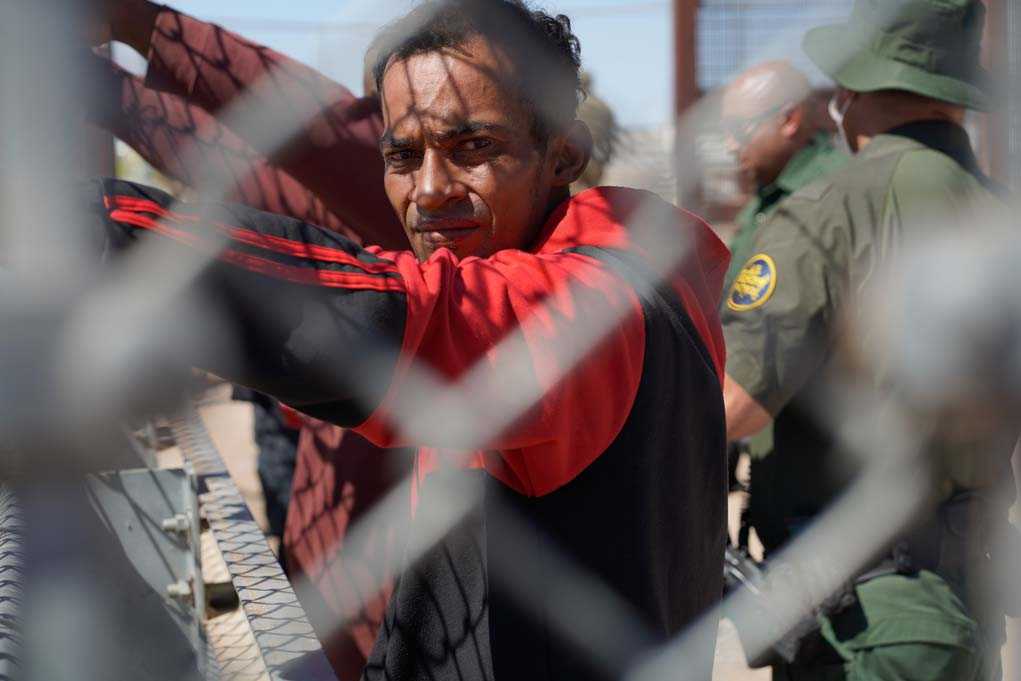
In mid-2025, federal authorities launched a series of immigration raids in Charlotte, North Carolina, following the killing of a Ukrainian refugee that shocked the nation. This operation, led by the Department of Homeland Security, included Border Patrol and ICE agents.
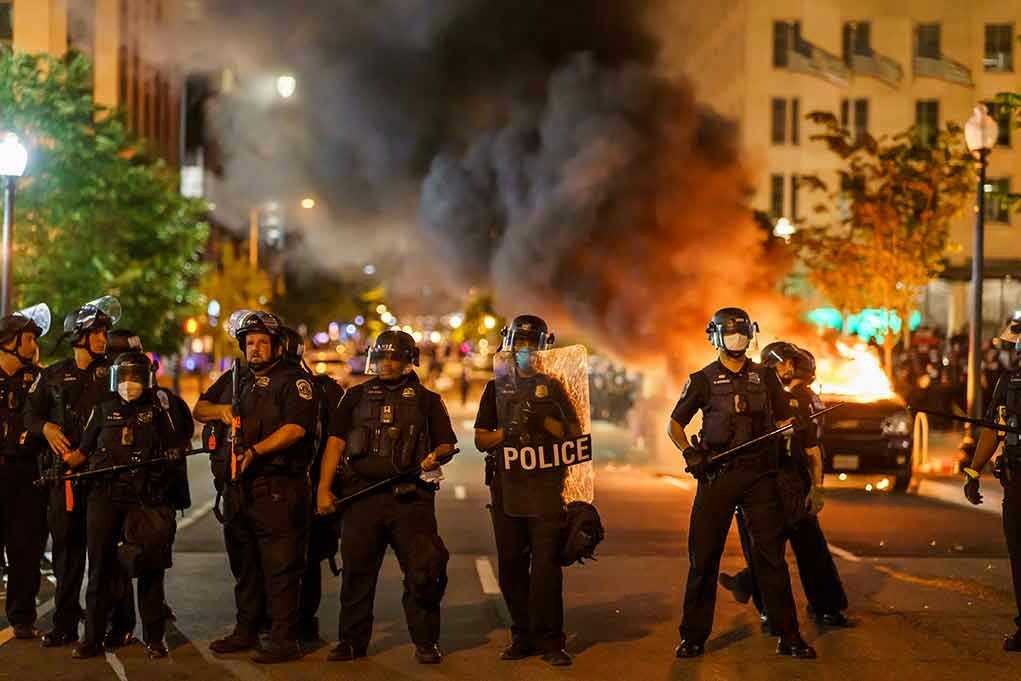
The raids were part of a broader crackdown on perceived immigration violations, targeting areas with significant immigrant populations. As agents moved in, local protesters gathered to oppose the federal presence, vocally expressing their frustrations and demanding the agents leave their city.
The protests in Charlotte mirror similar incidents in other cities, where federal immigration enforcement has met with local resistance. The tension between local communities and federal authorities has been a recurring theme, especially in cities with large immigrant populations.
Federal agencies argue these raids are necessary to uphold national security and law enforcement, whereas local protesters see them as an overreach and threat to community safety. The situation highlights the ongoing national debate over immigration policy and federal versus local jurisdiction.
Local and Federal Perspectives
Federal agencies, motivated by national security concerns, have increased their enforcement actions in response to high-profile crimes involving non-citizens. The killing in Charlotte served as a catalyst, prompting calls for stricter immigration controls.
However, local protesters, community members, and advocacy groups argue that such federal interventions disrupt community trust and safety. They contend that these actions infringe on civil liberties and exacerbate fears within immigrant communities.
Local officials find themselves in a complicated position, balancing the need to maintain public safety while addressing the concerns of their constituents. Some officials have called for peaceful dialogue and protest, while others have questioned the effectiveness of the federal approach. The ongoing protests and the federal response are likely to influence future discussions on immigration policy, law enforcement, and community relations.
Long-term Implications of Federal Raids
The immediate effects of the federal raids include heightened tensions and fear among immigrant communities in Charlotte and similar cities. Businesses in the affected areas face disruption, and local daily life is impacted by the protests and federal presence.
In the long term, these events may erode trust between communities and law enforcement, potentially leading to changes in how local and federal authorities cooperate on immigration issues.
As federal operations continue, with further raids anticipated, the political and social landscape surrounding immigration enforcement remains contentious. The outcome of these actions and the responses of local communities and officials will play a significant role in shaping the conversation around immigration and federal authority in the United States.
A federal immigration raid in Charlotte ignites fierce protests, spotlighting the ongoing clash between local communities and federal authorities.
Story Highlights
Federal raid in Charlotte sparks intense protests against immigration enforcement.
Protesters vocally oppose federal agents, reflecting deep community tensions.
Operations follow a high-profile crime involving a Ukrainian refugee.
Federal-local conflicts over immigration policy continue to escalate.
Federal Immigration Raids and Community Backlash
In mid-2025, federal authorities launched a series of immigration raids in Charlotte, North Carolina, following the killing of a Ukrainian refugee that shocked the nation. This operation, led by the Department of Homeland Security, included Border Patrol and ICE agents.
The raids were part of a broader crackdown on perceived immigration violations, targeting areas with significant immigrant populations. As agents moved in, local protesters gathered to oppose the federal presence, vocally expressing their frustrations and demanding the agents leave their city.
The protests in Charlotte mirror similar incidents in other cities, where federal immigration enforcement has met with local resistance. The tension between local communities and federal authorities has been a recurring theme, especially in cities with large immigrant populations.
Federal agencies argue these raids are necessary to uphold national security and law enforcement, whereas local protesters see them as an overreach and threat to community safety. The situation highlights the ongoing national debate over immigration policy and federal versus local jurisdiction.
Local and Federal Perspectives
Federal agencies, motivated by national security concerns, have increased their enforcement actions in response to high-profile crimes involving non-citizens. The killing in Charlotte served as a catalyst, prompting calls for stricter immigration controls.
However, local protesters, community members, and advocacy groups argue that such federal interventions disrupt community trust and safety. They contend that these actions infringe on civil liberties and exacerbate fears within immigrant communities.
Local officials find themselves in a complicated position, balancing the need to maintain public safety while addressing the concerns of their constituents. Some officials have called for peaceful dialogue and protest, while others have questioned the effectiveness of the federal approach. The ongoing protests and the federal response are likely to influence future discussions on immigration policy, law enforcement, and community relations.
Long-term Implications of Federal Raids
The immediate effects of the federal raids include heightened tensions and fear among immigrant communities in Charlotte and similar cities. Businesses in the affected areas face disruption, and local daily life is impacted by the protests and federal presence.
In the long term, these events may erode trust between communities and law enforcement, potentially leading to changes in how local and federal authorities cooperate on immigration issues.
As federal operations continue, with further raids anticipated, the political and social landscape surrounding immigration enforcement remains contentious. The outcome of these actions and the responses of local communities and officials will play a significant role in shaping the conversation around immigration and federal authority in the United States.
A federal immigration raid in Charlotte ignites fierce protests, spotlighting the ongoing clash between local communities and federal authorities.
Story Highlights
Federal raid in Charlotte sparks intense protests against immigration enforcement.
Protesters vocally oppose federal agents, reflecting deep community tensions.
Operations follow a high-profile crime involving a Ukrainian refugee.
Federal-local conflicts over immigration policy continue to escalate.
Federal Immigration Raids and Community Backlash
In mid-2025, federal authorities launched a series of immigration raids in Charlotte, North Carolina, following the killing of a Ukrainian refugee that shocked the nation. This operation, led by the Department of Homeland Security, included Border Patrol and ICE agents.
The raids were part of a broader crackdown on perceived immigration violations, targeting areas with significant immigrant populations. As agents moved in, local protesters gathered to oppose the federal presence, vocally expressing their frustrations and demanding the agents leave their city.
The protests in Charlotte mirror similar incidents in other cities, where federal immigration enforcement has met with local resistance. The tension between local communities and federal authorities has been a recurring theme, especially in cities with large immigrant populations.
Federal agencies argue these raids are necessary to uphold national security and law enforcement, whereas local protesters see them as an overreach and threat to community safety. The situation highlights the ongoing national debate over immigration policy and federal versus local jurisdiction.
Local and Federal Perspectives
Federal agencies, motivated by national security concerns, have increased their enforcement actions in response to high-profile crimes involving non-citizens. The killing in Charlotte served as a catalyst, prompting calls for stricter immigration controls.
However, local protesters, community members, and advocacy groups argue that such federal interventions disrupt community trust and safety. They contend that these actions infringe on civil liberties and exacerbate fears within immigrant communities.
Local officials find themselves in a complicated position, balancing the need to maintain public safety while addressing the concerns of their constituents. Some officials have called for peaceful dialogue and protest, while others have questioned the effectiveness of the federal approach. The ongoing protests and the federal response are likely to influence future discussions on immigration policy, law enforcement, and community relations.
Long-term Implications of Federal Raids
The immediate effects of the federal raids include heightened tensions and fear among immigrant communities in Charlotte and similar cities. Businesses in the affected areas face disruption, and local daily life is impacted by the protests and federal presence.
In the long term, these events may erode trust between communities and law enforcement, potentially leading to changes in how local and federal authorities cooperate on immigration issues.
As federal operations continue, with further raids anticipated, the political and social landscape surrounding immigration enforcement remains contentious. The outcome of these actions and the responses of local communities and officials will play a significant role in shaping the conversation around immigration and federal authority in the United States.
A federal immigration raid in Charlotte ignites fierce protests, spotlighting the ongoing clash between local communities and federal authorities.
Story Highlights
Federal raid in Charlotte sparks intense protests against immigration enforcement.
Protesters vocally oppose federal agents, reflecting deep community tensions.
Operations follow a high-profile crime involving a Ukrainian refugee.
Federal-local conflicts over immigration policy continue to escalate.
Federal Immigration Raids and Community Backlash
In mid-2025, federal authorities launched a series of immigration raids in Charlotte, North Carolina, following the killing of a Ukrainian refugee that shocked the nation. This operation, led by the Department of Homeland Security, included Border Patrol and ICE agents.
The raids were part of a broader crackdown on perceived immigration violations, targeting areas with significant immigrant populations. As agents moved in, local protesters gathered to oppose the federal presence, vocally expressing their frustrations and demanding the agents leave their city.
The protests in Charlotte mirror similar incidents in other cities, where federal immigration enforcement has met with local resistance. The tension between local communities and federal authorities has been a recurring theme, especially in cities with large immigrant populations.
Federal agencies argue these raids are necessary to uphold national security and law enforcement, whereas local protesters see them as an overreach and threat to community safety. The situation highlights the ongoing national debate over immigration policy and federal versus local jurisdiction.
Local and Federal Perspectives
Federal agencies, motivated by national security concerns, have increased their enforcement actions in response to high-profile crimes involving non-citizens. The killing in Charlotte served as a catalyst, prompting calls for stricter immigration controls.
However, local protesters, community members, and advocacy groups argue that such federal interventions disrupt community trust and safety. They contend that these actions infringe on civil liberties and exacerbate fears within immigrant communities.
Local officials find themselves in a complicated position, balancing the need to maintain public safety while addressing the concerns of their constituents. Some officials have called for peaceful dialogue and protest, while others have questioned the effectiveness of the federal approach. The ongoing protests and the federal response are likely to influence future discussions on immigration policy, law enforcement, and community relations.
Long-term Implications of Federal Raids
The immediate effects of the federal raids include heightened tensions and fear among immigrant communities in Charlotte and similar cities. Businesses in the affected areas face disruption, and local daily life is impacted by the protests and federal presence.
In the long term, these events may erode trust between communities and law enforcement, potentially leading to changes in how local and federal authorities cooperate on immigration issues.
As federal operations continue, with further raids anticipated, the political and social landscape surrounding immigration enforcement remains contentious. The outcome of these actions and the responses of local communities and officials will play a significant role in shaping the conversation around immigration and federal authority in the United States.
A federal immigration raid in Charlotte ignites fierce protests, spotlighting the ongoing clash between local communities and federal authorities.
Story Highlights
Federal raid in Charlotte sparks intense protests against immigration enforcement.
Protesters vocally oppose federal agents, reflecting deep community tensions.
Operations follow a high-profile crime involving a Ukrainian refugee.
Federal-local conflicts over immigration policy continue to escalate.
Federal Immigration Raids and Community Backlash
In mid-2025, federal authorities launched a series of immigration raids in Charlotte, North Carolina, following the killing of a Ukrainian refugee that shocked the nation. This operation, led by the Department of Homeland Security, included Border Patrol and ICE agents.
The raids were part of a broader crackdown on perceived immigration violations, targeting areas with significant immigrant populations. As agents moved in, local protesters gathered to oppose the federal presence, vocally expressing their frustrations and demanding the agents leave their city.
The protests in Charlotte mirror similar incidents in other cities, where federal immigration enforcement has met with local resistance. The tension between local communities and federal authorities has been a recurring theme, especially in cities with large immigrant populations.
Federal agencies argue these raids are necessary to uphold national security and law enforcement, whereas local protesters see them as an overreach and threat to community safety. The situation highlights the ongoing national debate over immigration policy and federal versus local jurisdiction.
Local and Federal Perspectives
Federal agencies, motivated by national security concerns, have increased their enforcement actions in response to high-profile crimes involving non-citizens. The killing in Charlotte served as a catalyst, prompting calls for stricter immigration controls.
However, local protesters, community members, and advocacy groups argue that such federal interventions disrupt community trust and safety. They contend that these actions infringe on civil liberties and exacerbate fears within immigrant communities.
Local officials find themselves in a complicated position, balancing the need to maintain public safety while addressing the concerns of their constituents. Some officials have called for peaceful dialogue and protest, while others have questioned the effectiveness of the federal approach. The ongoing protests and the federal response are likely to influence future discussions on immigration policy, law enforcement, and community relations.
Long-term Implications of Federal Raids
The immediate effects of the federal raids include heightened tensions and fear among immigrant communities in Charlotte and similar cities. Businesses in the affected areas face disruption, and local daily life is impacted by the protests and federal presence.
In the long term, these events may erode trust between communities and law enforcement, potentially leading to changes in how local and federal authorities cooperate on immigration issues.
As federal operations continue, with further raids anticipated, the political and social landscape surrounding immigration enforcement remains contentious. The outcome of these actions and the responses of local communities and officials will play a significant role in shaping the conversation around immigration and federal authority in the United States.
A federal immigration raid in Charlotte ignites fierce protests, spotlighting the ongoing clash between local communities and federal authorities.
Story Highlights
Federal raid in Charlotte sparks intense protests against immigration enforcement.
Protesters vocally oppose federal agents, reflecting deep community tensions.
Operations follow a high-profile crime involving a Ukrainian refugee.
Federal-local conflicts over immigration policy continue to escalate.
Federal Immigration Raids and Community Backlash
In mid-2025, federal authorities launched a series of immigration raids in Charlotte, North Carolina, following the killing of a Ukrainian refugee that shocked the nation. This operation, led by the Department of Homeland Security, included Border Patrol and ICE agents.
The raids were part of a broader crackdown on perceived immigration violations, targeting areas with significant immigrant populations. As agents moved in, local protesters gathered to oppose the federal presence, vocally expressing their frustrations and demanding the agents leave their city.
The protests in Charlotte mirror similar incidents in other cities, where federal immigration enforcement has met with local resistance. The tension between local communities and federal authorities has been a recurring theme, especially in cities with large immigrant populations.
Federal agencies argue these raids are necessary to uphold national security and law enforcement, whereas local protesters see them as an overreach and threat to community safety. The situation highlights the ongoing national debate over immigration policy and federal versus local jurisdiction.
Local and Federal Perspectives
Federal agencies, motivated by national security concerns, have increased their enforcement actions in response to high-profile crimes involving non-citizens. The killing in Charlotte served as a catalyst, prompting calls for stricter immigration controls.
However, local protesters, community members, and advocacy groups argue that such federal interventions disrupt community trust and safety. They contend that these actions infringe on civil liberties and exacerbate fears within immigrant communities.
Local officials find themselves in a complicated position, balancing the need to maintain public safety while addressing the concerns of their constituents. Some officials have called for peaceful dialogue and protest, while others have questioned the effectiveness of the federal approach. The ongoing protests and the federal response are likely to influence future discussions on immigration policy, law enforcement, and community relations.
Long-term Implications of Federal Raids
The immediate effects of the federal raids include heightened tensions and fear among immigrant communities in Charlotte and similar cities. Businesses in the affected areas face disruption, and local daily life is impacted by the protests and federal presence.
In the long term, these events may erode trust between communities and law enforcement, potentially leading to changes in how local and federal authorities cooperate on immigration issues.
As federal operations continue, with further raids anticipated, the political and social landscape surrounding immigration enforcement remains contentious. The outcome of these actions and the responses of local communities and officials will play a significant role in shaping the conversation around immigration and federal authority in the United States.
Being willing and flexible will likely open the doors of opportunity today, Aquarius. Let ideas marinate before you fully commit, but do take the plunge. Take a deep breath and broaden your horizons in some place other than the familiar if you can. Don’t be in a hurry for immediate results, but do expect good things to come.
Template 2
Protests EXPLODE as Federal Agents Storm City
A federal immigration raid in Charlotte ignites fierce protests, spotlighting the ongoing clash between local communities and federal authorities.
Story Highlights
Federal raid in Charlotte sparks intense protests against immigration enforcement.
Protesters vocally oppose federal agents, reflecting deep community tensions.
Operations follow a high-profile crime involving a Ukrainian refugee.
Federal-local conflicts over immigration policy continue to escalate.
Federal Immigration Raids and Community Backlash
In mid-2025, federal authorities launched a series of immigration raids in Charlotte, North Carolina, following the killing of a Ukrainian refugee that shocked the nation. This operation, led by the Department of Homeland Security, included Border Patrol and ICE agents.
The raids were part of a broader crackdown on perceived immigration violations, targeting areas with significant immigrant populations. As agents moved in, local protesters gathered to oppose the federal presence, vocally expressing their frustrations and demanding the agents leave their city.
The protests in Charlotte mirror similar incidents in other cities, where federal immigration enforcement has met with local resistance. The tension between local communities and federal authorities has been a recurring theme, especially in cities with large immigrant populations.
Federal agencies argue these raids are necessary to uphold national security and law enforcement, whereas local protesters see them as an overreach and threat to community safety. The situation highlights the ongoing national debate over immigration policy and federal versus local jurisdiction.
Local and Federal Perspectives
Federal agencies, motivated by national security concerns, have increased their enforcement actions in response to high-profile crimes involving non-citizens. The killing in Charlotte served as a catalyst, prompting calls for stricter immigration controls.
However, local protesters, community members, and advocacy groups argue that such federal interventions disrupt community trust and safety. They contend that these actions infringe on civil liberties and exacerbate fears within immigrant communities.
Local officials find themselves in a complicated position, balancing the need to maintain public safety while addressing the concerns of their constituents. Some officials have called for peaceful dialogue and protest, while others have questioned the effectiveness of the federal approach. The ongoing protests and the federal response are likely to influence future discussions on immigration policy, law enforcement, and community relations.
Long-term Implications of Federal Raids
The immediate effects of the federal raids include heightened tensions and fear among immigrant communities in Charlotte and similar cities. Businesses in the affected areas face disruption, and local daily life is impacted by the protests and federal presence.
In the long term, these events may erode trust between communities and law enforcement, potentially leading to changes in how local and federal authorities cooperate on immigration issues.
As federal operations continue, with further raids anticipated, the political and social landscape surrounding immigration enforcement remains contentious. The outcome of these actions and the responses of local communities and officials will play a significant role in shaping the conversation around immigration and federal authority in the United States.
A federal immigration raid in Charlotte ignites fierce protests, spotlighting the ongoing clash between local communities and federal authorities.
Story Highlights
Federal raid in Charlotte sparks intense protests against immigration enforcement.
Protesters vocally oppose federal agents, reflecting deep community tensions.
Operations follow a high-profile crime involving a Ukrainian refugee.
Federal-local conflicts over immigration policy continue to escalate.
Federal Immigration Raids and Community Backlash
In mid-2025, federal authorities launched a series of immigration raids in Charlotte, North Carolina, following the killing of a Ukrainian refugee that shocked the nation. This operation, led by the Department of Homeland Security, included Border Patrol and ICE agents.
The raids were part of a broader crackdown on perceived immigration violations, targeting areas with significant immigrant populations. As agents moved in, local protesters gathered to oppose the federal presence, vocally expressing their frustrations and demanding the agents leave their city.
The protests in Charlotte mirror similar incidents in other cities, where federal immigration enforcement has met with local resistance. The tension between local communities and federal authorities has been a recurring theme, especially in cities with large immigrant populations.
Federal agencies argue these raids are necessary to uphold national security and law enforcement, whereas local protesters see them as an overreach and threat to community safety. The situation highlights the ongoing national debate over immigration policy and federal versus local jurisdiction.
Local and Federal Perspectives
Federal agencies, motivated by national security concerns, have increased their enforcement actions in response to high-profile crimes involving non-citizens. The killing in Charlotte served as a catalyst, prompting calls for stricter immigration controls.
However, local protesters, community members, and advocacy groups argue that such federal interventions disrupt community trust and safety. They contend that these actions infringe on civil liberties and exacerbate fears within immigrant communities.
Local officials find themselves in a complicated position, balancing the need to maintain public safety while addressing the concerns of their constituents. Some officials have called for peaceful dialogue and protest, while others have questioned the effectiveness of the federal approach. The ongoing protests and the federal response are likely to influence future discussions on immigration policy, law enforcement, and community relations.
Long-term Implications of Federal Raids
The immediate effects of the federal raids include heightened tensions and fear among immigrant communities in Charlotte and similar cities. Businesses in the affected areas face disruption, and local daily life is impacted by the protests and federal presence.
In the long term, these events may erode trust between communities and law enforcement, potentially leading to changes in how local and federal authorities cooperate on immigration issues.
As federal operations continue, with further raids anticipated, the political and social landscape surrounding immigration enforcement remains contentious. The outcome of these actions and the responses of local communities and officials will play a significant role in shaping the conversation around immigration and federal authority in the United States.
A federal immigration raid in Charlotte ignites fierce protests, spotlighting the ongoing clash between local communities and federal authorities.
Story Highlights
Federal raid in Charlotte sparks intense protests against immigration enforcement.
Protesters vocally oppose federal agents, reflecting deep community tensions.
Operations follow a high-profile crime involving a Ukrainian refugee.
Federal-local conflicts over immigration policy continue to escalate.
Federal Immigration Raids and Community Backlash
In mid-2025, federal authorities launched a series of immigration raids in Charlotte, North Carolina, following the killing of a Ukrainian refugee that shocked the nation. This operation, led by the Department of Homeland Security, included Border Patrol and ICE agents.
The raids were part of a broader crackdown on perceived immigration violations, targeting areas with significant immigrant populations. As agents moved in, local protesters gathered to oppose the federal presence, vocally expressing their frustrations and demanding the agents leave their city.
The protests in Charlotte mirror similar incidents in other cities, where federal immigration enforcement has met with local resistance. The tension between local communities and federal authorities has been a recurring theme, especially in cities with large immigrant populations.
Federal agencies argue these raids are necessary to uphold national security and law enforcement, whereas local protesters see them as an overreach and threat to community safety. The situation highlights the ongoing national debate over immigration policy and federal versus local jurisdiction.
Local and Federal Perspectives
Federal agencies, motivated by national security concerns, have increased their enforcement actions in response to high-profile crimes involving non-citizens. The killing in Charlotte served as a catalyst, prompting calls for stricter immigration controls.
However, local protesters, community members, and advocacy groups argue that such federal interventions disrupt community trust and safety. They contend that these actions infringe on civil liberties and exacerbate fears within immigrant communities.
Local officials find themselves in a complicated position, balancing the need to maintain public safety while addressing the concerns of their constituents. Some officials have called for peaceful dialogue and protest, while others have questioned the effectiveness of the federal approach. The ongoing protests and the federal response are likely to influence future discussions on immigration policy, law enforcement, and community relations.
Long-term Implications of Federal Raids
The immediate effects of the federal raids include heightened tensions and fear among immigrant communities in Charlotte and similar cities. Businesses in the affected areas face disruption, and local daily life is impacted by the protests and federal presence.
In the long term, these events may erode trust between communities and law enforcement, potentially leading to changes in how local and federal authorities cooperate on immigration issues.
As federal operations continue, with further raids anticipated, the political and social landscape surrounding immigration enforcement remains contentious. The outcome of these actions and the responses of local communities and officials will play a significant role in shaping the conversation around immigration and federal authority in the United States.
A federal immigration raid in Charlotte ignites fierce protests, spotlighting the ongoing clash between local communities and federal authorities.
Story Highlights
Federal raid in Charlotte sparks intense protests against immigration enforcement.
Protesters vocally oppose federal agents, reflecting deep community tensions.
Operations follow a high-profile crime involving a Ukrainian refugee.
Federal-local conflicts over immigration policy continue to escalate.
Federal Immigration Raids and Community Backlash
In mid-2025, federal authorities launched a series of immigration raids in Charlotte, North Carolina, following the killing of a Ukrainian refugee that shocked the nation. This operation, led by the Department of Homeland Security, included Border Patrol and ICE agents.
The raids were part of a broader crackdown on perceived immigration violations, targeting areas with significant immigrant populations. As agents moved in, local protesters gathered to oppose the federal presence, vocally expressing their frustrations and demanding the agents leave their city.
The protests in Charlotte mirror similar incidents in other cities, where federal immigration enforcement has met with local resistance. The tension between local communities and federal authorities has been a recurring theme, especially in cities with large immigrant populations.
Federal agencies argue these raids are necessary to uphold national security and law enforcement, whereas local protesters see them as an overreach and threat to community safety. The situation highlights the ongoing national debate over immigration policy and federal versus local jurisdiction.
Local and Federal Perspectives
Federal agencies, motivated by national security concerns, have increased their enforcement actions in response to high-profile crimes involving non-citizens. The killing in Charlotte served as a catalyst, prompting calls for stricter immigration controls.
However, local protesters, community members, and advocacy groups argue that such federal interventions disrupt community trust and safety. They contend that these actions infringe on civil liberties and exacerbate fears within immigrant communities.
Local officials find themselves in a complicated position, balancing the need to maintain public safety while addressing the concerns of their constituents. Some officials have called for peaceful dialogue and protest, while others have questioned the effectiveness of the federal approach. The ongoing protests and the federal response are likely to influence future discussions on immigration policy, law enforcement, and community relations.
Long-term Implications of Federal Raids
The immediate effects of the federal raids include heightened tensions and fear among immigrant communities in Charlotte and similar cities. Businesses in the affected areas face disruption, and local daily life is impacted by the protests and federal presence.
In the long term, these events may erode trust between communities and law enforcement, potentially leading to changes in how local and federal authorities cooperate on immigration issues.
As federal operations continue, with further raids anticipated, the political and social landscape surrounding immigration enforcement remains contentious. The outcome of these actions and the responses of local communities and officials will play a significant role in shaping the conversation around immigration and federal authority in the United States.
A federal immigration raid in Charlotte ignites fierce protests, spotlighting the ongoing clash between local communities and federal authorities.
Story Highlights
Federal raid in Charlotte sparks intense protests against immigration enforcement.
Protesters vocally oppose federal agents, reflecting deep community tensions.
Operations follow a high-profile crime involving a Ukrainian refugee.
Federal-local conflicts over immigration policy continue to escalate.
Federal Immigration Raids and Community Backlash
In mid-2025, federal authorities launched a series of immigration raids in Charlotte, North Carolina, following the killing of a Ukrainian refugee that shocked the nation. This operation, led by the Department of Homeland Security, included Border Patrol and ICE agents.
The raids were part of a broader crackdown on perceived immigration violations, targeting areas with significant immigrant populations. As agents moved in, local protesters gathered to oppose the federal presence, vocally expressing their frustrations and demanding the agents leave their city.
The protests in Charlotte mirror similar incidents in other cities, where federal immigration enforcement has met with local resistance. The tension between local communities and federal authorities has been a recurring theme, especially in cities with large immigrant populations.
Federal agencies argue these raids are necessary to uphold national security and law enforcement, whereas local protesters see them as an overreach and threat to community safety. The situation highlights the ongoing national debate over immigration policy and federal versus local jurisdiction.
Local and Federal Perspectives
Federal agencies, motivated by national security concerns, have increased their enforcement actions in response to high-profile crimes involving non-citizens. The killing in Charlotte served as a catalyst, prompting calls for stricter immigration controls.
However, local protesters, community members, and advocacy groups argue that such federal interventions disrupt community trust and safety. They contend that these actions infringe on civil liberties and exacerbate fears within immigrant communities.
Local officials find themselves in a complicated position, balancing the need to maintain public safety while addressing the concerns of their constituents. Some officials have called for peaceful dialogue and protest, while others have questioned the effectiveness of the federal approach. The ongoing protests and the federal response are likely to influence future discussions on immigration policy, law enforcement, and community relations.
Long-term Implications of Federal Raids
The immediate effects of the federal raids include heightened tensions and fear among immigrant communities in Charlotte and similar cities. Businesses in the affected areas face disruption, and local daily life is impacted by the protests and federal presence.
In the long term, these events may erode trust between communities and law enforcement, potentially leading to changes in how local and federal authorities cooperate on immigration issues.
As federal operations continue, with further raids anticipated, the political and social landscape surrounding immigration enforcement remains contentious. The outcome of these actions and the responses of local communities and officials will play a significant role in shaping the conversation around immigration and federal authority in the United States.
A federal immigration raid in Charlotte ignites fierce protests, spotlighting the ongoing clash between local communities and federal authorities.
Story Highlights
Federal raid in Charlotte sparks intense protests against immigration enforcement.
Protesters vocally oppose federal agents, reflecting deep community tensions.
Operations follow a high-profile crime involving a Ukrainian refugee.
Federal-local conflicts over immigration policy continue to escalate.
Federal Immigration Raids and Community Backlash
In mid-2025, federal authorities launched a series of immigration raids in Charlotte, North Carolina, following the killing of a Ukrainian refugee that shocked the nation. This operation, led by the Department of Homeland Security, included Border Patrol and ICE agents.
The raids were part of a broader crackdown on perceived immigration violations, targeting areas with significant immigrant populations. As agents moved in, local protesters gathered to oppose the federal presence, vocally expressing their frustrations and demanding the agents leave their city.
The protests in Charlotte mirror similar incidents in other cities, where federal immigration enforcement has met with local resistance. The tension between local communities and federal authorities has been a recurring theme, especially in cities with large immigrant populations.
Federal agencies argue these raids are necessary to uphold national security and law enforcement, whereas local protesters see them as an overreach and threat to community safety. The situation highlights the ongoing national debate over immigration policy and federal versus local jurisdiction.
Local and Federal Perspectives
Federal agencies, motivated by national security concerns, have increased their enforcement actions in response to high-profile crimes involving non-citizens. The killing in Charlotte served as a catalyst, prompting calls for stricter immigration controls.
However, local protesters, community members, and advocacy groups argue that such federal interventions disrupt community trust and safety. They contend that these actions infringe on civil liberties and exacerbate fears within immigrant communities.
Local officials find themselves in a complicated position, balancing the need to maintain public safety while addressing the concerns of their constituents. Some officials have called for peaceful dialogue and protest, while others have questioned the effectiveness of the federal approach. The ongoing protests and the federal response are likely to influence future discussions on immigration policy, law enforcement, and community relations.
Long-term Implications of Federal Raids
The immediate effects of the federal raids include heightened tensions and fear among immigrant communities in Charlotte and similar cities. Businesses in the affected areas face disruption, and local daily life is impacted by the protests and federal presence.
In the long term, these events may erode trust between communities and law enforcement, potentially leading to changes in how local and federal authorities cooperate on immigration issues.
As federal operations continue, with further raids anticipated, the political and social landscape surrounding immigration enforcement remains contentious. The outcome of these actions and the responses of local communities and officials will play a significant role in shaping the conversation around immigration and federal authority in the United States.
Being willing and flexible will likely open the doors of opportunity today, Aquarius. Let ideas marinate before you fully commit, but do take the plunge. Take a deep breath and broaden your horizons in some place other than the familiar if you can. Don’t be in a hurry for immediate results, but do expect good things to come.
Template 2
Protests EXPLODE as Federal Agents Storm City
A federal immigration raid in Charlotte ignites fierce protests, spotlighting the ongoing clash between local communities and federal authorities.
Story Highlights
Federal raid in Charlotte sparks intense protests against immigration enforcement.
Protesters vocally oppose federal agents, reflecting deep community tensions.
Operations follow a high-profile crime involving a Ukrainian refugee.
Federal-local conflicts over immigration policy continue to escalate.
Federal Immigration Raids and Community Backlash
In mid-2025, federal authorities launched a series of immigration raids in Charlotte, North Carolina, following the killing of a Ukrainian refugee that shocked the nation. This operation, led by the Department of Homeland Security, included Border Patrol and ICE agents.
The raids were part of a broader crackdown on perceived immigration violations, targeting areas with significant immigrant populations. As agents moved in, local protesters gathered to oppose the federal presence, vocally expressing their frustrations and demanding the agents leave their city.
The protests in Charlotte mirror similar incidents in other cities, where federal immigration enforcement has met with local resistance. The tension between local communities and federal authorities has been a recurring theme, especially in cities with large immigrant populations.
Federal agencies argue these raids are necessary to uphold national security and law enforcement, whereas local protesters see them as an overreach and threat to community safety. The situation highlights the ongoing national debate over immigration policy and federal versus local jurisdiction.
Local and Federal Perspectives
Federal agencies, motivated by national security concerns, have increased their enforcement actions in response to high-profile crimes involving non-citizens. The killing in Charlotte served as a catalyst, prompting calls for stricter immigration controls.
However, local protesters, community members, and advocacy groups argue that such federal interventions disrupt community trust and safety. They contend that these actions infringe on civil liberties and exacerbate fears within immigrant communities.
Local officials find themselves in a complicated position, balancing the need to maintain public safety while addressing the concerns of their constituents. Some officials have called for peaceful dialogue and protest, while others have questioned the effectiveness of the federal approach. The ongoing protests and the federal response are likely to influence future discussions on immigration policy, law enforcement, and community relations.
Long-term Implications of Federal Raids
The immediate effects of the federal raids include heightened tensions and fear among immigrant communities in Charlotte and similar cities. Businesses in the affected areas face disruption, and local daily life is impacted by the protests and federal presence.
In the long term, these events may erode trust between communities and law enforcement, potentially leading to changes in how local and federal authorities cooperate on immigration issues.
As federal operations continue, with further raids anticipated, the political and social landscape surrounding immigration enforcement remains contentious. The outcome of these actions and the responses of local communities and officials will play a significant role in shaping the conversation around immigration and federal authority in the United States.
A federal immigration raid in Charlotte ignites fierce protests, spotlighting the ongoing clash between local communities and federal authorities.
Story Highlights
Federal raid in Charlotte sparks intense protests against immigration enforcement.
Protesters vocally oppose federal agents, reflecting deep community tensions.
Operations follow a high-profile crime involving a Ukrainian refugee.
Federal-local conflicts over immigration policy continue to escalate.
Federal Immigration Raids and Community Backlash
In mid-2025, federal authorities launched a series of immigration raids in Charlotte, North Carolina, following the killing of a Ukrainian refugee that shocked the nation. This operation, led by the Department of Homeland Security, included Border Patrol and ICE agents.
The raids were part of a broader crackdown on perceived immigration violations, targeting areas with significant immigrant populations. As agents moved in, local protesters gathered to oppose the federal presence, vocally expressing their frustrations and demanding the agents leave their city.
The protests in Charlotte mirror similar incidents in other cities, where federal immigration enforcement has met with local resistance. The tension between local communities and federal authorities has been a recurring theme, especially in cities with large immigrant populations.
Federal agencies argue these raids are necessary to uphold national security and law enforcement, whereas local protesters see them as an overreach and threat to community safety. The situation highlights the ongoing national debate over immigration policy and federal versus local jurisdiction.
Local and Federal Perspectives
Federal agencies, motivated by national security concerns, have increased their enforcement actions in response to high-profile crimes involving non-citizens. The killing in Charlotte served as a catalyst, prompting calls for stricter immigration controls.
However, local protesters, community members, and advocacy groups argue that such federal interventions disrupt community trust and safety. They contend that these actions infringe on civil liberties and exacerbate fears within immigrant communities.
Local officials find themselves in a complicated position, balancing the need to maintain public safety while addressing the concerns of their constituents. Some officials have called for peaceful dialogue and protest, while others have questioned the effectiveness of the federal approach. The ongoing protests and the federal response are likely to influence future discussions on immigration policy, law enforcement, and community relations.
Long-term Implications of Federal Raids
The immediate effects of the federal raids include heightened tensions and fear among immigrant communities in Charlotte and similar cities. Businesses in the affected areas face disruption, and local daily life is impacted by the protests and federal presence.
In the long term, these events may erode trust between communities and law enforcement, potentially leading to changes in how local and federal authorities cooperate on immigration issues.
As federal operations continue, with further raids anticipated, the political and social landscape surrounding immigration enforcement remains contentious. The outcome of these actions and the responses of local communities and officials will play a significant role in shaping the conversation around immigration and federal authority in the United States.
A federal immigration raid in Charlotte ignites fierce protests, spotlighting the ongoing clash between local communities and federal authorities.
Story Highlights
Federal raid in Charlotte sparks intense protests against immigration enforcement.
Protesters vocally oppose federal agents, reflecting deep community tensions.
Operations follow a high-profile crime involving a Ukrainian refugee.
Federal-local conflicts over immigration policy continue to escalate.
Federal Immigration Raids and Community Backlash
In mid-2025, federal authorities launched a series of immigration raids in Charlotte, North Carolina, following the killing of a Ukrainian refugee that shocked the nation. This operation, led by the Department of Homeland Security, included Border Patrol and ICE agents.
The raids were part of a broader crackdown on perceived immigration violations, targeting areas with significant immigrant populations. As agents moved in, local protesters gathered to oppose the federal presence, vocally expressing their frustrations and demanding the agents leave their city.
The protests in Charlotte mirror similar incidents in other cities, where federal immigration enforcement has met with local resistance. The tension between local communities and federal authorities has been a recurring theme, especially in cities with large immigrant populations.
Federal agencies argue these raids are necessary to uphold national security and law enforcement, whereas local protesters see them as an overreach and threat to community safety. The situation highlights the ongoing national debate over immigration policy and federal versus local jurisdiction.
Local and Federal Perspectives
Federal agencies, motivated by national security concerns, have increased their enforcement actions in response to high-profile crimes involving non-citizens. The killing in Charlotte served as a catalyst, prompting calls for stricter immigration controls.
However, local protesters, community members, and advocacy groups argue that such federal interventions disrupt community trust and safety. They contend that these actions infringe on civil liberties and exacerbate fears within immigrant communities.
Local officials find themselves in a complicated position, balancing the need to maintain public safety while addressing the concerns of their constituents. Some officials have called for peaceful dialogue and protest, while others have questioned the effectiveness of the federal approach. The ongoing protests and the federal response are likely to influence future discussions on immigration policy, law enforcement, and community relations.
Long-term Implications of Federal Raids
The immediate effects of the federal raids include heightened tensions and fear among immigrant communities in Charlotte and similar cities. Businesses in the affected areas face disruption, and local daily life is impacted by the protests and federal presence.
In the long term, these events may erode trust between communities and law enforcement, potentially leading to changes in how local and federal authorities cooperate on immigration issues.
As federal operations continue, with further raids anticipated, the political and social landscape surrounding immigration enforcement remains contentious. The outcome of these actions and the responses of local communities and officials will play a significant role in shaping the conversation around immigration and federal authority in the United States.
A federal immigration raid in Charlotte ignites fierce protests, spotlighting the ongoing clash between local communities and federal authorities.
Story Highlights
Federal raid in Charlotte sparks intense protests against immigration enforcement.
Protesters vocally oppose federal agents, reflecting deep community tensions.
Operations follow a high-profile crime involving a Ukrainian refugee.
Federal-local conflicts over immigration policy continue to escalate.
Federal Immigration Raids and Community Backlash
In mid-2025, federal authorities launched a series of immigration raids in Charlotte, North Carolina, following the killing of a Ukrainian refugee that shocked the nation. This operation, led by the Department of Homeland Security, included Border Patrol and ICE agents.
The raids were part of a broader crackdown on perceived immigration violations, targeting areas with significant immigrant populations. As agents moved in, local protesters gathered to oppose the federal presence, vocally expressing their frustrations and demanding the agents leave their city.
The protests in Charlotte mirror similar incidents in other cities, where federal immigration enforcement has met with local resistance. The tension between local communities and federal authorities has been a recurring theme, especially in cities with large immigrant populations.
Federal agencies argue these raids are necessary to uphold national security and law enforcement, whereas local protesters see them as an overreach and threat to community safety. The situation highlights the ongoing national debate over immigration policy and federal versus local jurisdiction.
Local and Federal Perspectives
Federal agencies, motivated by national security concerns, have increased their enforcement actions in response to high-profile crimes involving non-citizens. The killing in Charlotte served as a catalyst, prompting calls for stricter immigration controls.
However, local protesters, community members, and advocacy groups argue that such federal interventions disrupt community trust and safety. They contend that these actions infringe on civil liberties and exacerbate fears within immigrant communities.
Local officials find themselves in a complicated position, balancing the need to maintain public safety while addressing the concerns of their constituents. Some officials have called for peaceful dialogue and protest, while others have questioned the effectiveness of the federal approach. The ongoing protests and the federal response are likely to influence future discussions on immigration policy, law enforcement, and community relations.
Long-term Implications of Federal Raids
The immediate effects of the federal raids include heightened tensions and fear among immigrant communities in Charlotte and similar cities. Businesses in the affected areas face disruption, and local daily life is impacted by the protests and federal presence.
In the long term, these events may erode trust between communities and law enforcement, potentially leading to changes in how local and federal authorities cooperate on immigration issues.
As federal operations continue, with further raids anticipated, the political and social landscape surrounding immigration enforcement remains contentious. The outcome of these actions and the responses of local communities and officials will play a significant role in shaping the conversation around immigration and federal authority in the United States.
A federal immigration raid in Charlotte ignites fierce protests, spotlighting the ongoing clash between local communities and federal authorities.
Story Highlights
Federal raid in Charlotte sparks intense protests against immigration enforcement.
Protesters vocally oppose federal agents, reflecting deep community tensions.
Operations follow a high-profile crime involving a Ukrainian refugee.
Federal-local conflicts over immigration policy continue to escalate.
Federal Immigration Raids and Community Backlash
In mid-2025, federal authorities launched a series of immigration raids in Charlotte, North Carolina, following the killing of a Ukrainian refugee that shocked the nation. This operation, led by the Department of Homeland Security, included Border Patrol and ICE agents.
The raids were part of a broader crackdown on perceived immigration violations, targeting areas with significant immigrant populations. As agents moved in, local protesters gathered to oppose the federal presence, vocally expressing their frustrations and demanding the agents leave their city.
The protests in Charlotte mirror similar incidents in other cities, where federal immigration enforcement has met with local resistance. The tension between local communities and federal authorities has been a recurring theme, especially in cities with large immigrant populations.
Federal agencies argue these raids are necessary to uphold national security and law enforcement, whereas local protesters see them as an overreach and threat to community safety. The situation highlights the ongoing national debate over immigration policy and federal versus local jurisdiction.
Local and Federal Perspectives
Federal agencies, motivated by national security concerns, have increased their enforcement actions in response to high-profile crimes involving non-citizens. The killing in Charlotte served as a catalyst, prompting calls for stricter immigration controls.
However, local protesters, community members, and advocacy groups argue that such federal interventions disrupt community trust and safety. They contend that these actions infringe on civil liberties and exacerbate fears within immigrant communities.
Local officials find themselves in a complicated position, balancing the need to maintain public safety while addressing the concerns of their constituents. Some officials have called for peaceful dialogue and protest, while others have questioned the effectiveness of the federal approach. The ongoing protests and the federal response are likely to influence future discussions on immigration policy, law enforcement, and community relations.
Long-term Implications of Federal Raids
The immediate effects of the federal raids include heightened tensions and fear among immigrant communities in Charlotte and similar cities. Businesses in the affected areas face disruption, and local daily life is impacted by the protests and federal presence.
In the long term, these events may erode trust between communities and law enforcement, potentially leading to changes in how local and federal authorities cooperate on immigration issues.
As federal operations continue, with further raids anticipated, the political and social landscape surrounding immigration enforcement remains contentious. The outcome of these actions and the responses of local communities and officials will play a significant role in shaping the conversation around immigration and federal authority in the United States.
A federal immigration raid in Charlotte ignites fierce protests, spotlighting the ongoing clash between local communities and federal authorities.
Story Highlights
Federal raid in Charlotte sparks intense protests against immigration enforcement.
Protesters vocally oppose federal agents, reflecting deep community tensions.
Operations follow a high-profile crime involving a Ukrainian refugee.
Federal-local conflicts over immigration policy continue to escalate.
Federal Immigration Raids and Community Backlash
In mid-2025, federal authorities launched a series of immigration raids in Charlotte, North Carolina, following the killing of a Ukrainian refugee that shocked the nation. This operation, led by the Department of Homeland Security, included Border Patrol and ICE agents.
The raids were part of a broader crackdown on perceived immigration violations, targeting areas with significant immigrant populations. As agents moved in, local protesters gathered to oppose the federal presence, vocally expressing their frustrations and demanding the agents leave their city.
The protests in Charlotte mirror similar incidents in other cities, where federal immigration enforcement has met with local resistance. The tension between local communities and federal authorities has been a recurring theme, especially in cities with large immigrant populations.
Federal agencies argue these raids are necessary to uphold national security and law enforcement, whereas local protesters see them as an overreach and threat to community safety. The situation highlights the ongoing national debate over immigration policy and federal versus local jurisdiction.
Local and Federal Perspectives
Federal agencies, motivated by national security concerns, have increased their enforcement actions in response to high-profile crimes involving non-citizens. The killing in Charlotte served as a catalyst, prompting calls for stricter immigration controls.
However, local protesters, community members, and advocacy groups argue that such federal interventions disrupt community trust and safety. They contend that these actions infringe on civil liberties and exacerbate fears within immigrant communities.
Local officials find themselves in a complicated position, balancing the need to maintain public safety while addressing the concerns of their constituents. Some officials have called for peaceful dialogue and protest, while others have questioned the effectiveness of the federal approach. The ongoing protests and the federal response are likely to influence future discussions on immigration policy, law enforcement, and community relations.
Long-term Implications of Federal Raids
The immediate effects of the federal raids include heightened tensions and fear among immigrant communities in Charlotte and similar cities. Businesses in the affected areas face disruption, and local daily life is impacted by the protests and federal presence.
In the long term, these events may erode trust between communities and law enforcement, potentially leading to changes in how local and federal authorities cooperate on immigration issues.
As federal operations continue, with further raids anticipated, the political and social landscape surrounding immigration enforcement remains contentious. The outcome of these actions and the responses of local communities and officials will play a significant role in shaping the conversation around immigration and federal authority in the United States.
Being willing and flexible will likely open the doors of opportunity today, Aquarius. Let ideas marinate before you fully commit, but do take the plunge. Take a deep breath and broaden your horizons in some place other than the familiar if you can. Don’t be in a hurry for immediate results, but do expect good things to come.
Template 2
Protests EXPLODE as Federal Agents Storm City
A federal immigration raid in Charlotte ignites fierce protests, spotlighting the ongoing clash between local communities and federal authorities.
Story Highlights
Federal raid in Charlotte sparks intense protests against immigration enforcement.
Protesters vocally oppose federal agents, reflecting deep community tensions.
Operations follow a high-profile crime involving a Ukrainian refugee.
Federal-local conflicts over immigration policy continue to escalate.
Federal Immigration Raids and Community Backlash
In mid-2025, federal authorities launched a series of immigration raids in Charlotte, North Carolina, following the killing of a Ukrainian refugee that shocked the nation. This operation, led by the Department of Homeland Security, included Border Patrol and ICE agents.
The raids were part of a broader crackdown on perceived immigration violations, targeting areas with significant immigrant populations. As agents moved in, local protesters gathered to oppose the federal presence, vocally expressing their frustrations and demanding the agents leave their city.
The protests in Charlotte mirror similar incidents in other cities, where federal immigration enforcement has met with local resistance. The tension between local communities and federal authorities has been a recurring theme, especially in cities with large immigrant populations.
Federal agencies argue these raids are necessary to uphold national security and law enforcement, whereas local protesters see them as an overreach and threat to community safety. The situation highlights the ongoing national debate over immigration policy and federal versus local jurisdiction.
Local and Federal Perspectives
Federal agencies, motivated by national security concerns, have increased their enforcement actions in response to high-profile crimes involving non-citizens. The killing in Charlotte served as a catalyst, prompting calls for stricter immigration controls.
However, local protesters, community members, and advocacy groups argue that such federal interventions disrupt community trust and safety. They contend that these actions infringe on civil liberties and exacerbate fears within immigrant communities.
Local officials find themselves in a complicated position, balancing the need to maintain public safety while addressing the concerns of their constituents. Some officials have called for peaceful dialogue and protest, while others have questioned the effectiveness of the federal approach. The ongoing protests and the federal response are likely to influence future discussions on immigration policy, law enforcement, and community relations.
Long-term Implications of Federal Raids
The immediate effects of the federal raids include heightened tensions and fear among immigrant communities in Charlotte and similar cities. Businesses in the affected areas face disruption, and local daily life is impacted by the protests and federal presence.
In the long term, these events may erode trust between communities and law enforcement, potentially leading to changes in how local and federal authorities cooperate on immigration issues.
As federal operations continue, with further raids anticipated, the political and social landscape surrounding immigration enforcement remains contentious. The outcome of these actions and the responses of local communities and officials will play a significant role in shaping the conversation around immigration and federal authority in the United States.
A federal immigration raid in Charlotte ignites fierce protests, spotlighting the ongoing clash between local communities and federal authorities.
Story Highlights
Federal raid in Charlotte sparks intense protests against immigration enforcement.
Protesters vocally oppose federal agents, reflecting deep community tensions.
Operations follow a high-profile crime involving a Ukrainian refugee.
Federal-local conflicts over immigration policy continue to escalate.
Federal Immigration Raids and Community Backlash
In mid-2025, federal authorities launched a series of immigration raids in Charlotte, North Carolina, following the killing of a Ukrainian refugee that shocked the nation. This operation, led by the Department of Homeland Security, included Border Patrol and ICE agents.
The raids were part of a broader crackdown on perceived immigration violations, targeting areas with significant immigrant populations. As agents moved in, local protesters gathered to oppose the federal presence, vocally expressing their frustrations and demanding the agents leave their city.
The protests in Charlotte mirror similar incidents in other cities, where federal immigration enforcement has met with local resistance. The tension between local communities and federal authorities has been a recurring theme, especially in cities with large immigrant populations.
Federal agencies argue these raids are necessary to uphold national security and law enforcement, whereas local protesters see them as an overreach and threat to community safety. The situation highlights the ongoing national debate over immigration policy and federal versus local jurisdiction.
Local and Federal Perspectives
Federal agencies, motivated by national security concerns, have increased their enforcement actions in response to high-profile crimes involving non-citizens. The killing in Charlotte served as a catalyst, prompting calls for stricter immigration controls.
However, local protesters, community members, and advocacy groups argue that such federal interventions disrupt community trust and safety. They contend that these actions infringe on civil liberties and exacerbate fears within immigrant communities.
Local officials find themselves in a complicated position, balancing the need to maintain public safety while addressing the concerns of their constituents. Some officials have called for peaceful dialogue and protest, while others have questioned the effectiveness of the federal approach. The ongoing protests and the federal response are likely to influence future discussions on immigration policy, law enforcement, and community relations.
Long-term Implications of Federal Raids
The immediate effects of the federal raids include heightened tensions and fear among immigrant communities in Charlotte and similar cities. Businesses in the affected areas face disruption, and local daily life is impacted by the protests and federal presence.
In the long term, these events may erode trust between communities and law enforcement, potentially leading to changes in how local and federal authorities cooperate on immigration issues.
As federal operations continue, with further raids anticipated, the political and social landscape surrounding immigration enforcement remains contentious. The outcome of these actions and the responses of local communities and officials will play a significant role in shaping the conversation around immigration and federal authority in the United States.
A federal immigration raid in Charlotte ignites fierce protests, spotlighting the ongoing clash between local communities and federal authorities.
Story Highlights
Federal raid in Charlotte sparks intense protests against immigration enforcement.
Protesters vocally oppose federal agents, reflecting deep community tensions.
Operations follow a high-profile crime involving a Ukrainian refugee.
Federal-local conflicts over immigration policy continue to escalate.
Federal Immigration Raids and Community Backlash
In mid-2025, federal authorities launched a series of immigration raids in Charlotte, North Carolina, following the killing of a Ukrainian refugee that shocked the nation. This operation, led by the Department of Homeland Security, included Border Patrol and ICE agents.
The raids were part of a broader crackdown on perceived immigration violations, targeting areas with significant immigrant populations. As agents moved in, local protesters gathered to oppose the federal presence, vocally expressing their frustrations and demanding the agents leave their city.
The protests in Charlotte mirror similar incidents in other cities, where federal immigration enforcement has met with local resistance. The tension between local communities and federal authorities has been a recurring theme, especially in cities with large immigrant populations.
Federal agencies argue these raids are necessary to uphold national security and law enforcement, whereas local protesters see them as an overreach and threat to community safety. The situation highlights the ongoing national debate over immigration policy and federal versus local jurisdiction.
Local and Federal Perspectives
Federal agencies, motivated by national security concerns, have increased their enforcement actions in response to high-profile crimes involving non-citizens. The killing in Charlotte served as a catalyst, prompting calls for stricter immigration controls.
However, local protesters, community members, and advocacy groups argue that such federal interventions disrupt community trust and safety. They contend that these actions infringe on civil liberties and exacerbate fears within immigrant communities.
Local officials find themselves in a complicated position, balancing the need to maintain public safety while addressing the concerns of their constituents. Some officials have called for peaceful dialogue and protest, while others have questioned the effectiveness of the federal approach. The ongoing protests and the federal response are likely to influence future discussions on immigration policy, law enforcement, and community relations.
Long-term Implications of Federal Raids
The immediate effects of the federal raids include heightened tensions and fear among immigrant communities in Charlotte and similar cities. Businesses in the affected areas face disruption, and local daily life is impacted by the protests and federal presence.
In the long term, these events may erode trust between communities and law enforcement, potentially leading to changes in how local and federal authorities cooperate on immigration issues.
As federal operations continue, with further raids anticipated, the political and social landscape surrounding immigration enforcement remains contentious. The outcome of these actions and the responses of local communities and officials will play a significant role in shaping the conversation around immigration and federal authority in the United States.
A federal immigration raid in Charlotte ignites fierce protests, spotlighting the ongoing clash between local communities and federal authorities.
Story Highlights
Federal raid in Charlotte sparks intense protests against immigration enforcement.
Protesters vocally oppose federal agents, reflecting deep community tensions.
Operations follow a high-profile crime involving a Ukrainian refugee.
Federal-local conflicts over immigration policy continue to escalate.
Federal Immigration Raids and Community Backlash
In mid-2025, federal authorities launched a series of immigration raids in Charlotte, North Carolina, following the killing of a Ukrainian refugee that shocked the nation. This operation, led by the Department of Homeland Security, included Border Patrol and ICE agents.
The raids were part of a broader crackdown on perceived immigration violations, targeting areas with significant immigrant populations. As agents moved in, local protesters gathered to oppose the federal presence, vocally expressing their frustrations and demanding the agents leave their city.
The protests in Charlotte mirror similar incidents in other cities, where federal immigration enforcement has met with local resistance. The tension between local communities and federal authorities has been a recurring theme, especially in cities with large immigrant populations.
Federal agencies argue these raids are necessary to uphold national security and law enforcement, whereas local protesters see them as an overreach and threat to community safety. The situation highlights the ongoing national debate over immigration policy and federal versus local jurisdiction.
Local and Federal Perspectives
Federal agencies, motivated by national security concerns, have increased their enforcement actions in response to high-profile crimes involving non-citizens. The killing in Charlotte served as a catalyst, prompting calls for stricter immigration controls.
However, local protesters, community members, and advocacy groups argue that such federal interventions disrupt community trust and safety. They contend that these actions infringe on civil liberties and exacerbate fears within immigrant communities.
Local officials find themselves in a complicated position, balancing the need to maintain public safety while addressing the concerns of their constituents. Some officials have called for peaceful dialogue and protest, while others have questioned the effectiveness of the federal approach. The ongoing protests and the federal response are likely to influence future discussions on immigration policy, law enforcement, and community relations.
Long-term Implications of Federal Raids
The immediate effects of the federal raids include heightened tensions and fear among immigrant communities in Charlotte and similar cities. Businesses in the affected areas face disruption, and local daily life is impacted by the protests and federal presence.
In the long term, these events may erode trust between communities and law enforcement, potentially leading to changes in how local and federal authorities cooperate on immigration issues.
As federal operations continue, with further raids anticipated, the political and social landscape surrounding immigration enforcement remains contentious. The outcome of these actions and the responses of local communities and officials will play a significant role in shaping the conversation around immigration and federal authority in the United States.
A federal immigration raid in Charlotte ignites fierce protests, spotlighting the ongoing clash between local communities and federal authorities.
Story Highlights
Federal raid in Charlotte sparks intense protests against immigration enforcement.
Protesters vocally oppose federal agents, reflecting deep community tensions.
Operations follow a high-profile crime involving a Ukrainian refugee.
Federal-local conflicts over immigration policy continue to escalate.
Federal Immigration Raids and Community Backlash
In mid-2025, federal authorities launched a series of immigration raids in Charlotte, North Carolina, following the killing of a Ukrainian refugee that shocked the nation. This operation, led by the Department of Homeland Security, included Border Patrol and ICE agents.
The raids were part of a broader crackdown on perceived immigration violations, targeting areas with significant immigrant populations. As agents moved in, local protesters gathered to oppose the federal presence, vocally expressing their frustrations and demanding the agents leave their city.
The protests in Charlotte mirror similar incidents in other cities, where federal immigration enforcement has met with local resistance. The tension between local communities and federal authorities has been a recurring theme, especially in cities with large immigrant populations.
Federal agencies argue these raids are necessary to uphold national security and law enforcement, whereas local protesters see them as an overreach and threat to community safety. The situation highlights the ongoing national debate over immigration policy and federal versus local jurisdiction.
Local and Federal Perspectives
Federal agencies, motivated by national security concerns, have increased their enforcement actions in response to high-profile crimes involving non-citizens. The killing in Charlotte served as a catalyst, prompting calls for stricter immigration controls.
However, local protesters, community members, and advocacy groups argue that such federal interventions disrupt community trust and safety. They contend that these actions infringe on civil liberties and exacerbate fears within immigrant communities.
Local officials find themselves in a complicated position, balancing the need to maintain public safety while addressing the concerns of their constituents. Some officials have called for peaceful dialogue and protest, while others have questioned the effectiveness of the federal approach. The ongoing protests and the federal response are likely to influence future discussions on immigration policy, law enforcement, and community relations.
Long-term Implications of Federal Raids
The immediate effects of the federal raids include heightened tensions and fear among immigrant communities in Charlotte and similar cities. Businesses in the affected areas face disruption, and local daily life is impacted by the protests and federal presence.
In the long term, these events may erode trust between communities and law enforcement, potentially leading to changes in how local and federal authorities cooperate on immigration issues.
As federal operations continue, with further raids anticipated, the political and social landscape surrounding immigration enforcement remains contentious. The outcome of these actions and the responses of local communities and officials will play a significant role in shaping the conversation around immigration and federal authority in the United States.
A federal immigration raid in Charlotte ignites fierce protests, spotlighting the ongoing clash between local communities and federal authorities.
Story Highlights
Federal raid in Charlotte sparks intense protests against immigration enforcement.
Protesters vocally oppose federal agents, reflecting deep community tensions.
Operations follow a high-profile crime involving a Ukrainian refugee.
Federal-local conflicts over immigration policy continue to escalate.
Federal Immigration Raids and Community Backlash
In mid-2025, federal authorities launched a series of immigration raids in Charlotte, North Carolina, following the killing of a Ukrainian refugee that shocked the nation. This operation, led by the Department of Homeland Security, included Border Patrol and ICE agents.
The raids were part of a broader crackdown on perceived immigration violations, targeting areas with significant immigrant populations. As agents moved in, local protesters gathered to oppose the federal presence, vocally expressing their frustrations and demanding the agents leave their city.
The protests in Charlotte mirror similar incidents in other cities, where federal immigration enforcement has met with local resistance. The tension between local communities and federal authorities has been a recurring theme, especially in cities with large immigrant populations.
Federal agencies argue these raids are necessary to uphold national security and law enforcement, whereas local protesters see them as an overreach and threat to community safety. The situation highlights the ongoing national debate over immigration policy and federal versus local jurisdiction.
Local and Federal Perspectives
Federal agencies, motivated by national security concerns, have increased their enforcement actions in response to high-profile crimes involving non-citizens. The killing in Charlotte served as a catalyst, prompting calls for stricter immigration controls.
However, local protesters, community members, and advocacy groups argue that such federal interventions disrupt community trust and safety. They contend that these actions infringe on civil liberties and exacerbate fears within immigrant communities.
Local officials find themselves in a complicated position, balancing the need to maintain public safety while addressing the concerns of their constituents. Some officials have called for peaceful dialogue and protest, while others have questioned the effectiveness of the federal approach. The ongoing protests and the federal response are likely to influence future discussions on immigration policy, law enforcement, and community relations.
Long-term Implications of Federal Raids
The immediate effects of the federal raids include heightened tensions and fear among immigrant communities in Charlotte and similar cities. Businesses in the affected areas face disruption, and local daily life is impacted by the protests and federal presence.
In the long term, these events may erode trust between communities and law enforcement, potentially leading to changes in how local and federal authorities cooperate on immigration issues.
As federal operations continue, with further raids anticipated, the political and social landscape surrounding immigration enforcement remains contentious. The outcome of these actions and the responses of local communities and officials will play a significant role in shaping the conversation around immigration and federal authority in the United States.
Being willing and flexible will likely open the doors of opportunity today, Aquarius. Let ideas marinate before you fully commit, but do take the plunge. Take a deep breath and broaden your horizons in some place other than the familiar if you can. Don’t be in a hurry for immediate results, but do expect good things to come.
Template 2
Protests EXPLODE as Federal Agents Storm City
A federal immigration raid in Charlotte ignites fierce protests, spotlighting the ongoing clash between local communities and federal authorities.
Story Highlights
Federal raid in Charlotte sparks intense protests against immigration enforcement.
Protesters vocally oppose federal agents, reflecting deep community tensions.
Operations follow a high-profile crime involving a Ukrainian refugee.
Federal-local conflicts over immigration policy continue to escalate.
Federal Immigration Raids and Community Backlash
In mid-2025, federal authorities launched a series of immigration raids in Charlotte, North Carolina, following the killing of a Ukrainian refugee that shocked the nation. This operation, led by the Department of Homeland Security, included Border Patrol and ICE agents.
The raids were part of a broader crackdown on perceived immigration violations, targeting areas with significant immigrant populations. As agents moved in, local protesters gathered to oppose the federal presence, vocally expressing their frustrations and demanding the agents leave their city.
The protests in Charlotte mirror similar incidents in other cities, where federal immigration enforcement has met with local resistance. The tension between local communities and federal authorities has been a recurring theme, especially in cities with large immigrant populations.
Federal agencies argue these raids are necessary to uphold national security and law enforcement, whereas local protesters see them as an overreach and threat to community safety. The situation highlights the ongoing national debate over immigration policy and federal versus local jurisdiction.
Local and Federal Perspectives
Federal agencies, motivated by national security concerns, have increased their enforcement actions in response to high-profile crimes involving non-citizens. The killing in Charlotte served as a catalyst, prompting calls for stricter immigration controls.
However, local protesters, community members, and advocacy groups argue that such federal interventions disrupt community trust and safety. They contend that these actions infringe on civil liberties and exacerbate fears within immigrant communities.
Local officials find themselves in a complicated position, balancing the need to maintain public safety while addressing the concerns of their constituents. Some officials have called for peaceful dialogue and protest, while others have questioned the effectiveness of the federal approach. The ongoing protests and the federal response are likely to influence future discussions on immigration policy, law enforcement, and community relations.
Long-term Implications of Federal Raids
The immediate effects of the federal raids include heightened tensions and fear among immigrant communities in Charlotte and similar cities. Businesses in the affected areas face disruption, and local daily life is impacted by the protests and federal presence.
In the long term, these events may erode trust between communities and law enforcement, potentially leading to changes in how local and federal authorities cooperate on immigration issues.
As federal operations continue, with further raids anticipated, the political and social landscape surrounding immigration enforcement remains contentious. The outcome of these actions and the responses of local communities and officials will play a significant role in shaping the conversation around immigration and federal authority in the United States.
A federal immigration raid in Charlotte ignites fierce protests, spotlighting the ongoing clash between local communities and federal authorities.
Story Highlights
Federal raid in Charlotte sparks intense protests against immigration enforcement.
Protesters vocally oppose federal agents, reflecting deep community tensions.
Operations follow a high-profile crime involving a Ukrainian refugee.
Federal-local conflicts over immigration policy continue to escalate.
Federal Immigration Raids and Community Backlash
In mid-2025, federal authorities launched a series of immigration raids in Charlotte, North Carolina, following the killing of a Ukrainian refugee that shocked the nation. This operation, led by the Department of Homeland Security, included Border Patrol and ICE agents.
The raids were part of a broader crackdown on perceived immigration violations, targeting areas with significant immigrant populations. As agents moved in, local protesters gathered to oppose the federal presence, vocally expressing their frustrations and demanding the agents leave their city.
The protests in Charlotte mirror similar incidents in other cities, where federal immigration enforcement has met with local resistance. The tension between local communities and federal authorities has been a recurring theme, especially in cities with large immigrant populations.
Federal agencies argue these raids are necessary to uphold national security and law enforcement, whereas local protesters see them as an overreach and threat to community safety. The situation highlights the ongoing national debate over immigration policy and federal versus local jurisdiction.
Local and Federal Perspectives
Federal agencies, motivated by national security concerns, have increased their enforcement actions in response to high-profile crimes involving non-citizens. The killing in Charlotte served as a catalyst, prompting calls for stricter immigration controls.
However, local protesters, community members, and advocacy groups argue that such federal interventions disrupt community trust and safety. They contend that these actions infringe on civil liberties and exacerbate fears within immigrant communities.
Local officials find themselves in a complicated position, balancing the need to maintain public safety while addressing the concerns of their constituents. Some officials have called for peaceful dialogue and protest, while others have questioned the effectiveness of the federal approach. The ongoing protests and the federal response are likely to influence future discussions on immigration policy, law enforcement, and community relations.
Long-term Implications of Federal Raids
The immediate effects of the federal raids include heightened tensions and fear among immigrant communities in Charlotte and similar cities. Businesses in the affected areas face disruption, and local daily life is impacted by the protests and federal presence.
In the long term, these events may erode trust between communities and law enforcement, potentially leading to changes in how local and federal authorities cooperate on immigration issues.
As federal operations continue, with further raids anticipated, the political and social landscape surrounding immigration enforcement remains contentious. The outcome of these actions and the responses of local communities and officials will play a significant role in shaping the conversation around immigration and federal authority in the United States.
A federal immigration raid in Charlotte ignites fierce protests, spotlighting the ongoing clash between local communities and federal authorities.
Story Highlights
Federal raid in Charlotte sparks intense protests against immigration enforcement.
Protesters vocally oppose federal agents, reflecting deep community tensions.
Operations follow a high-profile crime involving a Ukrainian refugee.
Federal-local conflicts over immigration policy continue to escalate.
Federal Immigration Raids and Community Backlash
In mid-2025, federal authorities launched a series of immigration raids in Charlotte, North Carolina, following the killing of a Ukrainian refugee that shocked the nation. This operation, led by the Department of Homeland Security, included Border Patrol and ICE agents.
The raids were part of a broader crackdown on perceived immigration violations, targeting areas with significant immigrant populations. As agents moved in, local protesters gathered to oppose the federal presence, vocally expressing their frustrations and demanding the agents leave their city.
The protests in Charlotte mirror similar incidents in other cities, where federal immigration enforcement has met with local resistance. The tension between local communities and federal authorities has been a recurring theme, especially in cities with large immigrant populations.
Federal agencies argue these raids are necessary to uphold national security and law enforcement, whereas local protesters see them as an overreach and threat to community safety. The situation highlights the ongoing national debate over immigration policy and federal versus local jurisdiction.
Local and Federal Perspectives
Federal agencies, motivated by national security concerns, have increased their enforcement actions in response to high-profile crimes involving non-citizens. The killing in Charlotte served as a catalyst, prompting calls for stricter immigration controls.
However, local protesters, community members, and advocacy groups argue that such federal interventions disrupt community trust and safety. They contend that these actions infringe on civil liberties and exacerbate fears within immigrant communities.
Local officials find themselves in a complicated position, balancing the need to maintain public safety while addressing the concerns of their constituents. Some officials have called for peaceful dialogue and protest, while others have questioned the effectiveness of the federal approach. The ongoing protests and the federal response are likely to influence future discussions on immigration policy, law enforcement, and community relations.
Long-term Implications of Federal Raids
The immediate effects of the federal raids include heightened tensions and fear among immigrant communities in Charlotte and similar cities. Businesses in the affected areas face disruption, and local daily life is impacted by the protests and federal presence.
In the long term, these events may erode trust between communities and law enforcement, potentially leading to changes in how local and federal authorities cooperate on immigration issues.
As federal operations continue, with further raids anticipated, the political and social landscape surrounding immigration enforcement remains contentious. The outcome of these actions and the responses of local communities and officials will play a significant role in shaping the conversation around immigration and federal authority in the United States.
A federal immigration raid in Charlotte ignites fierce protests, spotlighting the ongoing clash between local communities and federal authorities.
Story Highlights
Federal raid in Charlotte sparks intense protests against immigration enforcement.
Protesters vocally oppose federal agents, reflecting deep community tensions.
Operations follow a high-profile crime involving a Ukrainian refugee.
Federal-local conflicts over immigration policy continue to escalate.
Federal Immigration Raids and Community Backlash
In mid-2025, federal authorities launched a series of immigration raids in Charlotte, North Carolina, following the killing of a Ukrainian refugee that shocked the nation. This operation, led by the Department of Homeland Security, included Border Patrol and ICE agents.
The raids were part of a broader crackdown on perceived immigration violations, targeting areas with significant immigrant populations. As agents moved in, local protesters gathered to oppose the federal presence, vocally expressing their frustrations and demanding the agents leave their city.
The protests in Charlotte mirror similar incidents in other cities, where federal immigration enforcement has met with local resistance. The tension between local communities and federal authorities has been a recurring theme, especially in cities with large immigrant populations.
Federal agencies argue these raids are necessary to uphold national security and law enforcement, whereas local protesters see them as an overreach and threat to community safety. The situation highlights the ongoing national debate over immigration policy and federal versus local jurisdiction.
Local and Federal Perspectives
Federal agencies, motivated by national security concerns, have increased their enforcement actions in response to high-profile crimes involving non-citizens. The killing in Charlotte served as a catalyst, prompting calls for stricter immigration controls.
However, local protesters, community members, and advocacy groups argue that such federal interventions disrupt community trust and safety. They contend that these actions infringe on civil liberties and exacerbate fears within immigrant communities.
Local officials find themselves in a complicated position, balancing the need to maintain public safety while addressing the concerns of their constituents. Some officials have called for peaceful dialogue and protest, while others have questioned the effectiveness of the federal approach. The ongoing protests and the federal response are likely to influence future discussions on immigration policy, law enforcement, and community relations.
Long-term Implications of Federal Raids
The immediate effects of the federal raids include heightened tensions and fear among immigrant communities in Charlotte and similar cities. Businesses in the affected areas face disruption, and local daily life is impacted by the protests and federal presence.
In the long term, these events may erode trust between communities and law enforcement, potentially leading to changes in how local and federal authorities cooperate on immigration issues.
As federal operations continue, with further raids anticipated, the political and social landscape surrounding immigration enforcement remains contentious. The outcome of these actions and the responses of local communities and officials will play a significant role in shaping the conversation around immigration and federal authority in the United States.
A federal immigration raid in Charlotte ignites fierce protests, spotlighting the ongoing clash between local communities and federal authorities.
Story Highlights
Federal raid in Charlotte sparks intense protests against immigration enforcement.
Protesters vocally oppose federal agents, reflecting deep community tensions.
Operations follow a high-profile crime involving a Ukrainian refugee.
Federal-local conflicts over immigration policy continue to escalate.
Federal Immigration Raids and Community Backlash
In mid-2025, federal authorities launched a series of immigration raids in Charlotte, North Carolina, following the killing of a Ukrainian refugee that shocked the nation. This operation, led by the Department of Homeland Security, included Border Patrol and ICE agents.
The raids were part of a broader crackdown on perceived immigration violations, targeting areas with significant immigrant populations. As agents moved in, local protesters gathered to oppose the federal presence, vocally expressing their frustrations and demanding the agents leave their city.
The protests in Charlotte mirror similar incidents in other cities, where federal immigration enforcement has met with local resistance. The tension between local communities and federal authorities has been a recurring theme, especially in cities with large immigrant populations.
Federal agencies argue these raids are necessary to uphold national security and law enforcement, whereas local protesters see them as an overreach and threat to community safety. The situation highlights the ongoing national debate over immigration policy and federal versus local jurisdiction.
Local and Federal Perspectives
Federal agencies, motivated by national security concerns, have increased their enforcement actions in response to high-profile crimes involving non-citizens. The killing in Charlotte served as a catalyst, prompting calls for stricter immigration controls.
However, local protesters, community members, and advocacy groups argue that such federal interventions disrupt community trust and safety. They contend that these actions infringe on civil liberties and exacerbate fears within immigrant communities.
Local officials find themselves in a complicated position, balancing the need to maintain public safety while addressing the concerns of their constituents. Some officials have called for peaceful dialogue and protest, while others have questioned the effectiveness of the federal approach. The ongoing protests and the federal response are likely to influence future discussions on immigration policy, law enforcement, and community relations.
Long-term Implications of Federal Raids
The immediate effects of the federal raids include heightened tensions and fear among immigrant communities in Charlotte and similar cities. Businesses in the affected areas face disruption, and local daily life is impacted by the protests and federal presence.
In the long term, these events may erode trust between communities and law enforcement, potentially leading to changes in how local and federal authorities cooperate on immigration issues.
As federal operations continue, with further raids anticipated, the political and social landscape surrounding immigration enforcement remains contentious. The outcome of these actions and the responses of local communities and officials will play a significant role in shaping the conversation around immigration and federal authority in the United States.
A federal immigration raid in Charlotte ignites fierce protests, spotlighting the ongoing clash between local communities and federal authorities.
Story Highlights
Federal raid in Charlotte sparks intense protests against immigration enforcement.
Protesters vocally oppose federal agents, reflecting deep community tensions.
Operations follow a high-profile crime involving a Ukrainian refugee.
Federal-local conflicts over immigration policy continue to escalate.
Federal Immigration Raids and Community Backlash
In mid-2025, federal authorities launched a series of immigration raids in Charlotte, North Carolina, following the killing of a Ukrainian refugee that shocked the nation. This operation, led by the Department of Homeland Security, included Border Patrol and ICE agents.
The raids were part of a broader crackdown on perceived immigration violations, targeting areas with significant immigrant populations. As agents moved in, local protesters gathered to oppose the federal presence, vocally expressing their frustrations and demanding the agents leave their city.
The protests in Charlotte mirror similar incidents in other cities, where federal immigration enforcement has met with local resistance. The tension between local communities and federal authorities has been a recurring theme, especially in cities with large immigrant populations.
Federal agencies argue these raids are necessary to uphold national security and law enforcement, whereas local protesters see them as an overreach and threat to community safety. The situation highlights the ongoing national debate over immigration policy and federal versus local jurisdiction.
Local and Federal Perspectives
Federal agencies, motivated by national security concerns, have increased their enforcement actions in response to high-profile crimes involving non-citizens. The killing in Charlotte served as a catalyst, prompting calls for stricter immigration controls.
However, local protesters, community members, and advocacy groups argue that such federal interventions disrupt community trust and safety. They contend that these actions infringe on civil liberties and exacerbate fears within immigrant communities.
Local officials find themselves in a complicated position, balancing the need to maintain public safety while addressing the concerns of their constituents. Some officials have called for peaceful dialogue and protest, while others have questioned the effectiveness of the federal approach. The ongoing protests and the federal response are likely to influence future discussions on immigration policy, law enforcement, and community relations.
Long-term Implications of Federal Raids
The immediate effects of the federal raids include heightened tensions and fear among immigrant communities in Charlotte and similar cities. Businesses in the affected areas face disruption, and local daily life is impacted by the protests and federal presence.
In the long term, these events may erode trust between communities and law enforcement, potentially leading to changes in how local and federal authorities cooperate on immigration issues.
As federal operations continue, with further raids anticipated, the political and social landscape surrounding immigration enforcement remains contentious. The outcome of these actions and the responses of local communities and officials will play a significant role in shaping the conversation around immigration and federal authority in the United States.
A federal immigration raid in Charlotte ignites fierce protests, spotlighting the ongoing clash between local communities and federal authorities.
Story Highlights
Federal raid in Charlotte sparks intense protests against immigration enforcement.
Protesters vocally oppose federal agents, reflecting deep community tensions.
Operations follow a high-profile crime involving a Ukrainian refugee.
Federal-local conflicts over immigration policy continue to escalate.
Federal Immigration Raids and Community Backlash
In mid-2025, federal authorities launched a series of immigration raids in Charlotte, North Carolina, following the killing of a Ukrainian refugee that shocked the nation. This operation, led by the Department of Homeland Security, included Border Patrol and ICE agents.
The raids were part of a broader crackdown on perceived immigration violations, targeting areas with significant immigrant populations. As agents moved in, local protesters gathered to oppose the federal presence, vocally expressing their frustrations and demanding the agents leave their city.
The protests in Charlotte mirror similar incidents in other cities, where federal immigration enforcement has met with local resistance. The tension between local communities and federal authorities has been a recurring theme, especially in cities with large immigrant populations.
Federal agencies argue these raids are necessary to uphold national security and law enforcement, whereas local protesters see them as an overreach and threat to community safety. The situation highlights the ongoing national debate over immigration policy and federal versus local jurisdiction.
Local and Federal Perspectives
Federal agencies, motivated by national security concerns, have increased their enforcement actions in response to high-profile crimes involving non-citizens. The killing in Charlotte served as a catalyst, prompting calls for stricter immigration controls.
However, local protesters, community members, and advocacy groups argue that such federal interventions disrupt community trust and safety. They contend that these actions infringe on civil liberties and exacerbate fears within immigrant communities.
Local officials find themselves in a complicated position, balancing the need to maintain public safety while addressing the concerns of their constituents. Some officials have called for peaceful dialogue and protest, while others have questioned the effectiveness of the federal approach. The ongoing protests and the federal response are likely to influence future discussions on immigration policy, law enforcement, and community relations.
Long-term Implications of Federal Raids
The immediate effects of the federal raids include heightened tensions and fear among immigrant communities in Charlotte and similar cities. Businesses in the affected areas face disruption, and local daily life is impacted by the protests and federal presence.
In the long term, these events may erode trust between communities and law enforcement, potentially leading to changes in how local and federal authorities cooperate on immigration issues.
As federal operations continue, with further raids anticipated, the political and social landscape surrounding immigration enforcement remains contentious. The outcome of these actions and the responses of local communities and officials will play a significant role in shaping the conversation around immigration and federal authority in the United States.
Lorem ipsum dolor sit amet, consectetur adipiscing elit. Phasellus in eros nec nunc convallis rutrum in id justo. Aliquam libero quam, scelerisque id ante vel, porta efficitur arcu. Praesent quis est scelerisque, finibus diam quis, malesuada nisi. Aenean nibh dolor, pellentesque vehicula urna sit amet, convallis pellentesque ante. Cras congue eros auctor ultrices faucibus. Aliquam […]
Fortune Cookie
Your Fortune Cookie
You learn from your mistakes… You may learn a lot today.